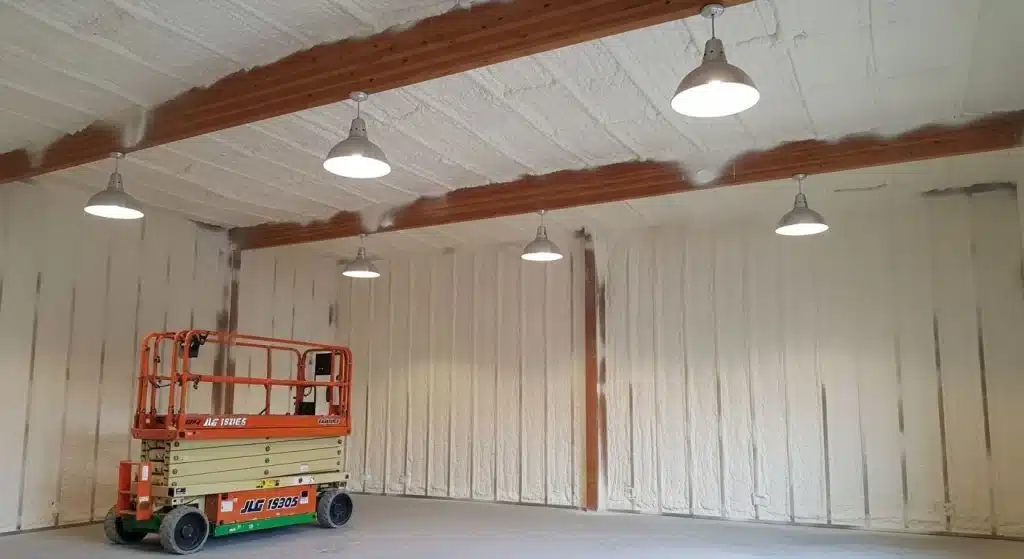

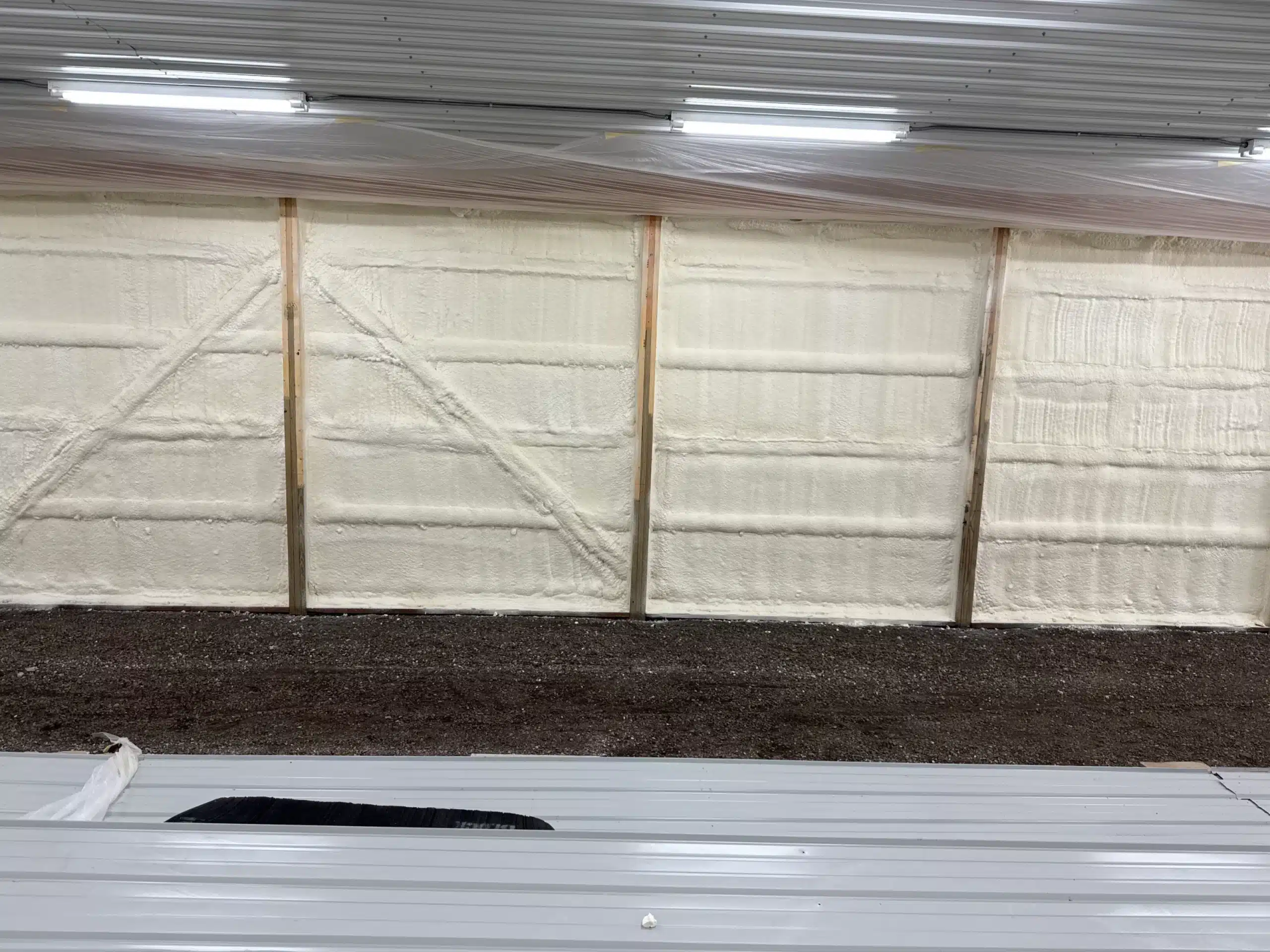
The optimal window for installing closed-cell spray foam insulation in Paradise, NV, falls during the transitional seasons of spring (late March to May) and autumn (October to November). During these periods, ambient temperatures typically range from 60°F to 80°F, creating the ideal thermal environment for the chemical reaction that allows the foam to expand and cure correctly. Installing during these months minimizes the risks associated with the extreme desert heat of summer or the potential substrate cold spots found in winter.
While professional installers can apply spray foam year-round by manipulating the environment, aiming for these temperate windows ensures better yield, stronger adhesion to building materials, and a more consistent R-value. This article breaks down the technical reasons for this timing, how the specific climate in Paradise affects installation quality, and what homeowners should look for when scheduling their project. These insights come from extensive field work in the Southern Nevada climate, dealing directly with the unique challenges of desert insulation.
Understanding How Temperature Affects Spray Foam Application
Spray polyurethane foam (SPF) is the product of a chemical reaction between two liquids: isocyanate (Side A) and polyol resin (Side B). For this reaction to succeed, the chemicals must be within a specific temperature range, typically 110°F to 130°F at the gun tip. However, the surface the foam lands on the substrate matters just as much as the chemical temperature.
When the substrate is too cold, the foam may pull away from the studs or roof deck, leading to gaps that reduce efficiency. Conversely, if the substrate is too hot, a common issue in Paradise summers, the foam can react too quickly. This rapid reaction may result in a “popcorn” texture or reduced density, compromising the structural integrity of the insulation. Technical guidelines published by the Spray Polyurethane Foam Alliance emphasize that surface temperature must be within the manufacturer’s specified range to guarantee the product performs as rated.
Seasonal Breakdown for Paradise Homeowners
The climate in Paradise presents extreme variables that installers must manage. Here is how each season impacts the installation process.
Spring and Autumn: The Sweet Spot
During spring and fall, the daily highs in Paradise hover in the 70s and 80s. This natural ambient temperature reduces the need for artificial heating or cooling of the chemicals and the work area. The roof decks and wall sheathing remain at a moderate temperature, allowing the foam to bond aggressively and cure uniformly. This results in the highest-quality finish with the least material waste.
Summer: Managing Extreme Heat
July and August in Southern Nevada frequently see temperatures exceeding 100°F. While the air temperature might be manageable for equipment, attic temperatures can soar above 140°F. According to heat index data from Weather Spark, the intense solar radiation in Paradise significantly heats roof decks, potentially pushing them outside the safe application range for many foam blends. Installers must often work in the very early morning hours (4 AM to 10 AM) to apply the product before the building materials become too hot to accept the foam properly.
Winter: The Cold Substrate Challenge
Although Paradise has mild winters compared to other regions, overnight lows can drop near freezing. If an installation is scheduled for an early January morning, the wood or concrete substrate may be too cold. Cold surfaces act as heat sinks, removing heat from the chemical reaction. This prevents the foam from reaching its full thickness. To counter this, crews must use heavy-duty heaters to warm the workspace and the substrate before spraying begins, which can add time to the project.
Technical Specifications and Weather Conditions
The following table illustrates how local weather conditions correlate with installation difficulty and risk factors.
| Season | Avg. High Temp (Paradise) | Substrate Condition | Installation Complexity | Primary Risk Factor |
|---|---|---|---|---|
| Spring (Mar-May) | 70°F – 85°F | Ideal / Moderate | Low | Low risk; high demand for scheduling. |
| Summer (Jun-Aug) | 100°F – 105°F | Extremely Hot | High | Flash curing; heat exhaustion for the crew. |
| Fall (Sep-Nov) | 70°F – 80°F | Ideal / Moderate | Low | Low risk; ideal curing times. |
| Winter (Dec-Feb) | 55°F – 60°F | Cold / Potential Dampness | Moderate | Poor adhesion due to cold substrate. |
Things to Consider Before Making a Decision
Choosing the right time extends beyond just looking at the thermometer. Several logistical factors should influence when you schedule the job.
Demand and Scheduling The construction industry in Nevada often sees a rush during the summer as homeowners react to spiking air conditioning bills. Scheduling during the peak of summer might result in longer lead times. Conversely, the “shoulder seasons” of spring and fall may offer more flexibility with dates, allowing you to choose a time that minimizes disruption to your household.
Ventilation and Occupancy During the application and curing process, the workspace requires active ventilation to remove aerosols and vapors. A report on health and safety from the EPA indicates that occupants should vacate the premises for 24 hours after installation to ensure safety. In mild weather, venting the house is simple and effective. In the middle of summer or winter, keeping windows and doors open for ventilation can make the rest of the home uncomfortable if the HVAC system is off to prevent dust from circulating.
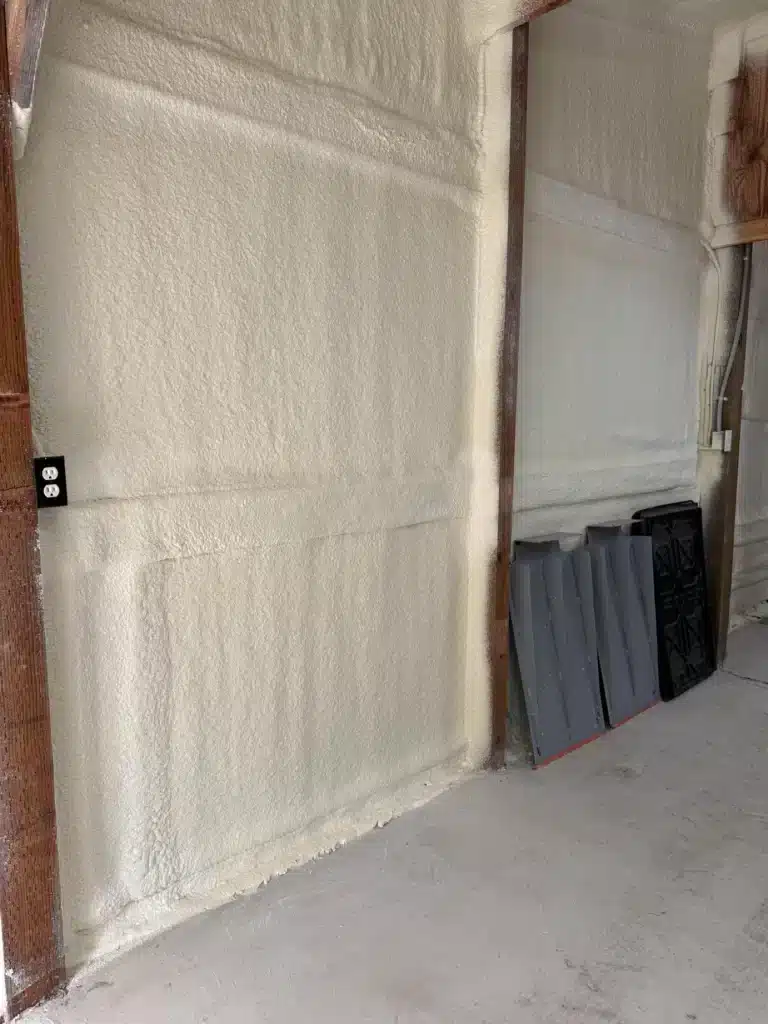
Common Questions About Installation Timing
Does Humidity Affect the Install? High humidity can be the enemy of spray foam. Moisture on the surface can react with the isocyanate, producing carbon dioxide gas that can form blisters in the foam. Fortunately, Paradise, NV, typically enjoys very low humidity. However, during the monsoon season in late summer, humidity levels can spike. A competent installer will check moisture levels on the framing lumber before starting. If the wood moisture content exceeds 18%, the job must wait until the wood dries.
New Construction vs. Retrofit For new construction, the timeline depends on the general contractor’s schedule. Insulation usually happens after framing and electrical rough-ins, but before drywall. In this controlled chaos, the weather is less of a factor because the home is open. For retrofits (existing homes), weather matters more because the crew is working in an enclosed attic or crawlspace where temperature extremes are magnified.
Bonus Tips for a Successful Installation
Tip 1: Monitor the Surface Temperature Ask the installer to measure the temperature of the actual wall or roof deck, not just the air temperature. The chemical bonds to the surface, so that surface temperature dictates the success of the adhesion.
Tip 2: Plan for Energy Audits Consider scheduling an energy audit before the foam installation. Data collected by the Department of Energy suggests that identifying air leaks before sealing allows the foam installer to target critical bypasses that might otherwise be missed.
Conclusion
Timing your spray foam installation for spring or autumn provides the safest path to a flawless application in Paradise, NV. These seasons offer the thermal stability needed for chemical reactions to proceed correctly, ensuring maximum energy efficiency and structural strength. While skilled professionals can adjust for blistering summer heat or winter chills, the transitional months naturally support the product’s chemistry. Evaluating your specific needs—whether it is an urgent retrofit to lower summer cooling bills or a new build schedule—will help you lock in the correct date. Prioritizing substrate conditions and proper ventilation will guarantee that your investment pays dividends in comfort and savings for years to come.
Upgrade Your Home’s Efficiency with Supreme Spray Foam LV
If you are ready to stabilize your home’s temperature and reduce energy costs, now is the time to plan your project. The team at Supreme Spray Foam LV has local experience navigating the specific weather challenges of the Paradise area. To discuss your project or check the current schedule availability, send an email to [email protected] or call (702) 904-9895. Secure your spot on the calendar and ensure your home is prepared for the coming season.
Frequently Asked Questions
Can spray foam be installed in the winter in Paradise?
Yes, installation is possible in winter. Professional crews use drum heaters to keep the chemicals at the correct viscosity and industrial space heaters to warm the attic or walls. The cost or time required might increase slightly due to the extra preparation, but the final product quality remains high if protocols are followed.
How long does the foam take to cure?
Closed-cell spray foam typically becomes tack-free within seconds and cures structurally within a few hours. However, full off-gassing and chemical curing take about 24 hours. The ambient temperature influences this; warmer weather generally allows a faster, more complete cure than cold conditions.
What happens if it rains on the day of installation?
Spray foam cannot be applied to wet surfaces. Even though the foam itself is water-resistant once cured, water interferes with the initial chemical reaction. If a roof leak or high humidity has made the substrate wet, the crew must wait until the material measures dry on a moisture meter.
Will the smell be worse in summer?
The odor is not necessarily “worse” in summer, but heat increases vapor pressure, which can make odors more noticeable if they are not properly vented. High-volume exhaust fans create negative pressure in the workspace, pulling fumes out regardless of the season.
Sources
- Spray Polyurethane Foam Alliance – Technical guidelines regarding temperature parameters for chemical application and safety standards.
- Weather Spark – Historical weather data and heat index reports specifically for Paradise and Las Vegas, NV.
- EPA – Safety guidelines regarding ventilation, re-occupancy times, and chemical handling for spray polyurethane foam.