
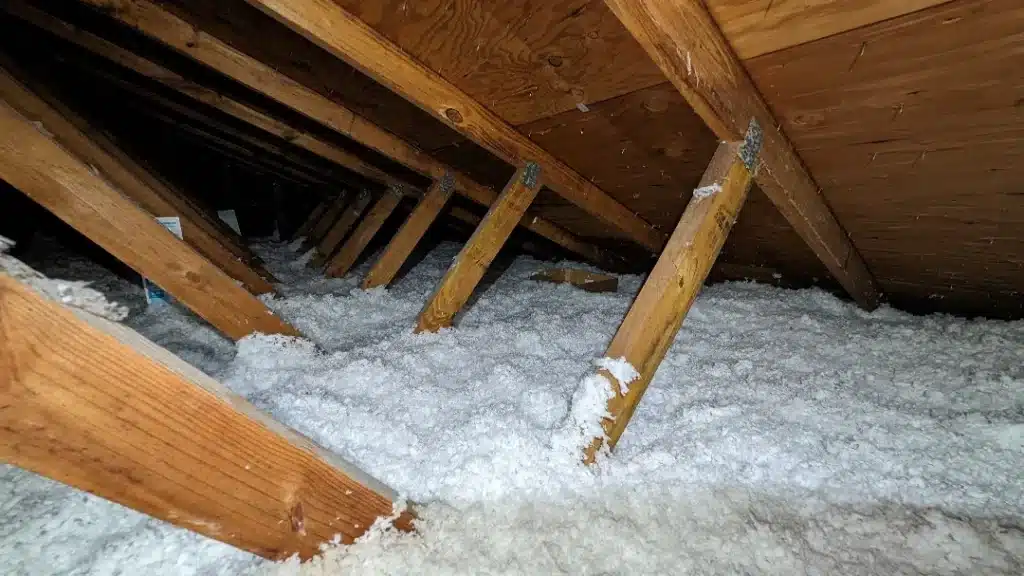
Attic insulation directly influences indoor comfort in Spring Valley homes across all seasons. In summer, proper insulation reduces heat transfer from the roof into living areas, lowering strain on cooling systems. In winter, it traps rising indoor heat, limiting energy waste and maintaining steady warmth. Without effective insulation, homes experience uneven temperatures, higher utility costs, and increased HVAC wear.
This article provides clear, experience-based guidance on how attic insulation functions, the materials most effective for local conditions, and practical factors to weigh before making decisions.
How Attic Insulation Controls Home Comfort
Attic insulation acts as a thermal barrier between roof structures and interior spaces. In Spring Valley’s desert climate, where summer temperatures exceed 100°F and winter nights often drop below 40°F, consistent insulation performance is critical. The correct insulation type reduces thermal bridging, controls moisture, and stabilizes indoor air quality.
Technical performance of attic insulation materials
Bonus Tip: In desert climates, closed cell spray foam often outperforms other materials by offering superior thermal resistance with added structural strength against roof expansion from heat.
Practical Benefits for Spring Valley Homes
- Heat regulation: Prevents attic heat from radiating into bedrooms and living spaces during peak summer.
- Reduced HVAC strain: Systems operate with fewer cycles, extending equipment life.
- Moisture control: Limits condensation that can lead to mold growth in roof decking.
- Noise reduction: Spray foam, in particular, helps block outside noise from traffic and neighbors.
Market Data That Supports Attic Insulation Upgrades
- The U.S. Department of Energy reports that homeowners save up to 15% on heating and cooling bills through proper insulation improvements【DOE, 2024】.
- The Environmental Protection Agency notes that sealed and insulated attics can lower indoor humidity levels by up to 20%, reducing the risk of microbial growth【EPA, 2023】.
- Regional studies in Nevada confirm that homes with upgraded spray foam insulation show 25-35% lower seasonal energy consumption compared to traditional fiberglass-filled attics【NV Energy Research, 2023】.
Things to Check Before Installing or Upgrading Attic Insulation
- Roof structure condition: Damaged decking or leaks must be corrected before insulation.
- Ventilation needs: Evaluate whether existing ventilation aligns with insulation type to prevent moisture buildup.
- Fire resistance: Understand fire ratings of chosen insulation for compliance with local codes.
- Access for future maintenance: Ensure insulation does not block service access to ducts or wiring.
Bonus Tip: In older Spring Valley homes, test for existing air leaks around attic hatches and recessed lighting. Addressing these leaks before installing insulation maximizes efficiency.
Key Services Related to Attic Insulation
- Attic Insulation: Full installation using spray foam to create a high-performance thermal barrier.
- Spray Foam Repairs: Restoration of damaged or deteriorated foam layers to restore energy efficiency.
- Roofing Insulation: Application of foam systems directly under roof decks for improved heat control.
- Wall Insulation: Complementary service ensuring the whole building envelope performs consistently.
Which insulation type is best for Spring Valley’s heat?
Closed cell spray foam provides the highest thermal resistance and moisture control.
Can insulation be added over existing material?
Yes, but compatibility depends on the existing material and condition.
How long will attic insulation last?
Depending on type, spray foam can last 20-30 years with minimal maintenance.
Does attic insulation reduce noise?
Spray foam insulation reduces external noise transmission by sealing gaps and cavities.
Final Notes on Attic Insulation
Effective attic insulation in Spring Valley homes ensures stable indoor comfort across extreme seasonal swings. Choosing the right insulation material and addressing pre-installation conditions leads to long-term efficiency, durability, and improved air quality.
Contact Supreme Spray Foam LV
For expert guidance on attic insulation solutions in Spring Valley, contact Supreme Spray Foam LV at (702) 904-9895 or email info@supremesprayfoamlv.com. The team is available to answer questions and provide direction on insulation performance for residential and commercial properties.
How often should attic insulation be inspected
Inspection every 5-7 years helps identify settling, damage, or moisture issues early.
Can insulation affect indoor air quality
Yes. Poorly sealed insulation can introduce dust or allergens, but spray foam prevents most air infiltration.
What happens if attic insulation is underperforming
Rooms may feel drafty, energy bills rise, and HVAC systems run longer cycles.
Is it possible to remove and replace insulation
Yes. Removal may be needed after water damage, pest infestations, or material deterioration.
How does attic insulation work with solar panels
Spray foam insulation complements solar panel systems by reducing cooling load, ensuring energy savings from panels are maximized.