
What Is the Difference Between Open-Cell and Closed-Cell Spray Foam?
Open-cell spray foam is generally softer, less dense, and more permeable to water vapor.
Read article →Blog
Plain answers to the questions homeowners and building owners ask us most.
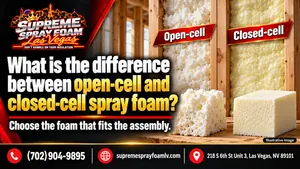
Open-cell spray foam is generally softer, less dense, and more permeable to water vapor.
Read article →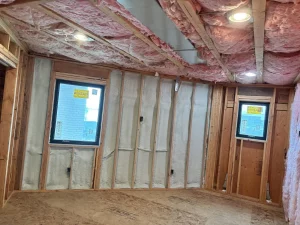
The right insulation for a Las Vegas, NV, property is chosen with data, not instinct: you verify what insulation already exists, compare it against…
Read article →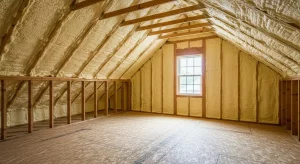
Peccole Ranch, NV property owners should ask any spray foam insulation contractor about product type, R-value per inch, licensing and insurance,…
Read article →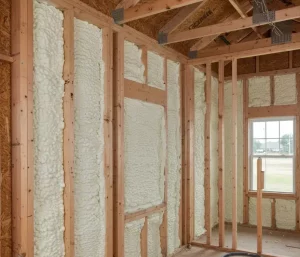
Spray foam insulation can be installed in nearly any closed, tight, or irregular space because it is applied as a liquid that expands up to 30 to 60…
Read article →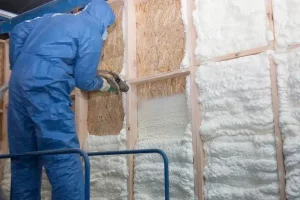
Spray foam insulation is one of the most effective upgrades a Summerlin South homeowner can make before the next stretch of triple-digit heat, but…
Read article →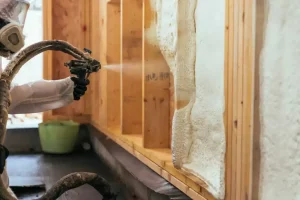
Yes, closed-cell spray foam is generally one of the strongest insulation matches for challenging building conditions in Las Vegas, NV, though the…
Read article →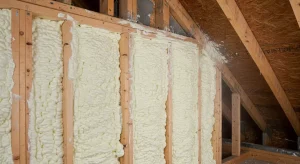
Open-cell spray foam makes the most sense for large rooms and interior areas where air sealing, full cavity coverage, and sound control matter more…
Read article →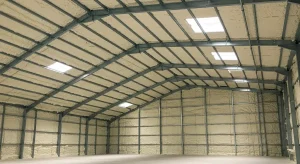
For large commercial spaces in Rhodes Ranch, NV with varying heat loads, the commercial insulation step by step guide starts with matching the…
Read article →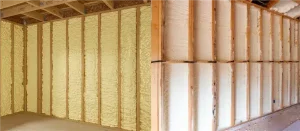
The right insulation strategies for a Las Vegas property come down to controlling extreme heat, managing the occasional but intense moisture from…
Read article →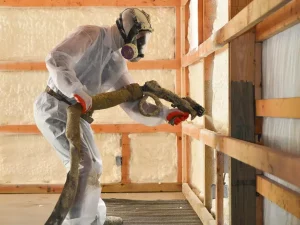
Residential insulation protects homes in Angel Park, NV by creating a thermal barrier that slows all three modes of heat transfer: conduction…
Read article →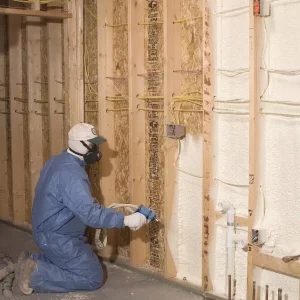
Yes. Spray foam insulation is one of the most effective materials available for addressing drafts, condensation, and unwanted air movement in…
Read article →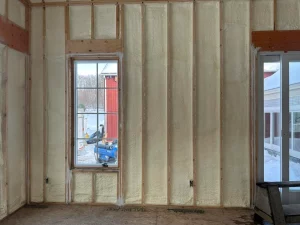
Residential insulation is one of the most practical defenses a homeowner can invest in to manage long-term energy costs as electricity demand…
Read article →Call (702) 904-9895 or request your free visit online.
Schedule an Appointment TodayQuestions
Residential spray foam insulation is a type of insulation applied as a liquid that expands into a foam, creating an air-tight barrier. It is used in walls, attics, crawl spaces, and other areas to improve energy efficiency by reducing air leakage.
Spray foam insulation expands upon application, filling gaps and cracks in building materials. This creates a sealed layer that helps prevent air movement, improving thermal resistance and moisture control.
There are two main types: open-cell and closed-cell spray foam. Open-cell is less dense, offers sound dampening, and is typically used in interior applications. Closed-cell is denser, provides a higher R-value, and adds structural strength and moisture resistance.
When installed properly by trained professionals, spray foam insulation is safe. It should only be applied with appropriate ventilation and protective equipment during installation, as the chemicals used need time to cure.
Spray foam insulation can last over 20 years without degrading when properly installed. It doesn’t sag or settle like traditional insulation materials.
Open-cell spray foam typically has an R-value around 3.5 to 3.7 per inch, while closed-cell spray foam has an R-value of about 6 to 7 per inch. R-value indicates thermal resistance; higher values mean better insulation performance.
Spray foam can be applied in attics, walls, basements, crawl spaces, rim joists, and around windows and doors. It is suitable for both new construction and retrofit projects.
Yes, spray foam insulation improves a home’s energy efficiency by reducing air leaks and maintaining indoor temperatures. Homeowners often see noticeable reductions in heating and cooling costs.