
If you’ve ever heard scratching in the attic or found droppings where they shouldn’t be, you’re not alone. Many homeowners in Spring Valley, NV, are unknowingly sharing their homes with rodents, insects, and other unwanted guests, and the culprit is often poor or outdated attic insulation.
While most people think of attic insulation as a way to stay warm in winter or cool in summer, it also plays a key role in pest control. When installed properly, spray foam insulation can help seal off entry points, deter nesting, and even improve your indoor air quality, all in one go.
Let’s break down how this works, and why your attic might be more inviting to pests than you realize.
Why Pests Love Your Attic (and What Makes It Vulnerable)
Your attic may be out of sight, but it’s never out of reach for pests. Insects, rodents, and even birds are drawn to attics because they offer warmth, shelter, and often, easy access from outside.
Common attic pests in desert climates include:
- Roof rats and mice
- Scorpions
- Cockroaches
- Pigeons
- Spiders and other insects
Typical entry points:
- Unsealed roofline gaps
- Vents and soffits
- Cracks in the attic floor or walls
- Gaps around pipes or wiring
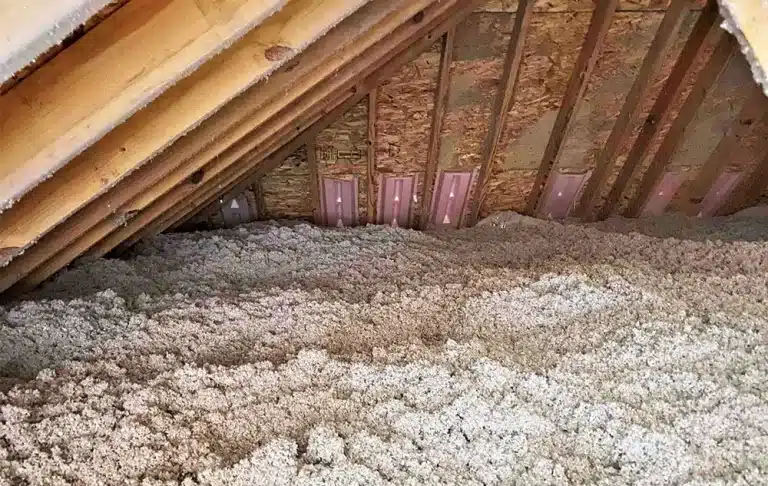
If your current insulation is fiberglass or cellulose, it likely has gaps or settling that pests can exploit. These materials also offer easy nesting material and do little to block airflow or moisture, two things that attract critters.
How Spray Foam Insulation Blocks Pest Entry Points
Spray foam insulation does more than just insulate, it air seals. Once applied, it expands to fill every gap, crack, and crevice, creating a tight barrier that pests struggle to get through.
Here’s why spray foam is effective:
- Air sealing = pest sealing: Rodents and bugs rely on airflow to find entry routes. Cut the air, and you cut their path.
- Solid surface: Unlike loose-fill materials, spray foam hardens into a continuous barrier, pests can’t chew or burrow through it easily.
- Moisture resistance: Damp areas attract bugs. Spray foam repels moisture, keeping your attic dry and less appealing.
Benefits of Pest-Resistant Insulation in Spring Valley, NV
Living in a desert climate means you’re already battling heat, dust, and dry air. Add pests to the mix, and it’s a recipe for frustration.
With spray foam insulation, you can:
- Reduce pest infestations without relying solely on pesticides
- Protect your home’s structure from rodents and nesting insects
- Lower energy bills by sealing thermal leaks
- Improve air quality by keeping out allergens and droppings
Homeowners in Spring Valley report fewer pest issues after upgrading their attics with closed-cell foam, which doubles as a moisture and pest barrier.
Spray Foam vs. Traditional Insulation: Which Keeps Pests Out Better?
Traditional materials like cellulose or fiberglass lose their shape over time. Once pests break through, it’s hard to recover. Spray foam, on the other hand, lasts for decades without sagging or settling, providing consistent pest protection.
How to Know If Your Attic Needs Pest-Preventive Insulation
Worried that pests are already using your attic as their personal hideout? Here are some red flags:
- Droppings or urine smells
- Chewed insulation or wires
- Scattered nesting materials
- Daytime scratching sounds
- Visible light coming through attic cracks
If you notice any of these, it’s time to schedule a free attic inspection with a professional.
Why Attic Insulation Should Be Part of Your Pest Control Strategy
Pest control isn’t just about spraying chemicals, it starts with sealing the home. Think of insulation as your first line of defense. By combining spray foam with smart ventilation and pest inspection, you create a hostile environment for intruders, without harming your household or pets.
Choosing the Right Insulation Contractor in Spring Valley
Pest-proofing with spray foam only works when it’s installed correctly. That means choosing an experienced local pro with real attic experience, not just general contractors.
Look for:
- Experience with closed-cell spray foam
- Knowledge of building science and air sealing
- Positive local reviews and references
- Willingness to offer a free inspection and quote
FAQ: Attic Insulation & Pest Prevention
Can spray foam insulation really keep pests out of my attic?
Yes. Spray foam creates an air-tight seal that blocks common pest entry points, unlike fiberglass or cellulose.
Why are pests getting into my attic in the first place?
Most attics have gaps, vents, or cracks that let in air, and pests follow those air streams straight into your home.
What types of pests does attic insulation help prevent?
Rodents, insects, birds, scorpions, and more. It deters nesting and entry through sealed surfaces.
How do I know if my attic needs new insulation?
If your home feels drafty, energy bills are rising, or pests are appearing, it’s time for an inspection.
Is spray foam safe for pets and families?
Yes. Once cured, it’s inert and non-toxic. Make sure it’s installed by professionals who follow ventilation protocols.
Will I still need pest control if I install spray foam?
It helps reduce the need, but regular inspections are still recommended for full protection.
Stop Pests Where They Start, In Your Attic
Your attic might be out of sight, but it doesn’t have to be out of control. With spray foam insulation, you’re not just making your home more efficient, you’re putting up a solid defense against desert pests that sneak in through every crack.
Even small upgrades can make a big difference. So why wait for pests to invade when prevention is just a call away?
Schedule your free attic inspection today.
Reach out to the trusted pros at Supreme Spray Foam LV, your local insulation and pest prevention specialists.