Spray foam insulation can last more than 20 years without degrading when it is installed properly. That is one of the main reasons homeowners and business owners across Las Vegas choose it over traditional insulation: it does not sag or settle the way loose-fill or batt insulation can over time. At Supreme Spray Foam LV, we install both open-cell and closed-cell spray foam for residential and commercial properties. Here is a plain answer on how long that investment is expected to hold up, based on how spray foam actually works and what we install it for.
Why Spray Foam Does Not Sag or Settle
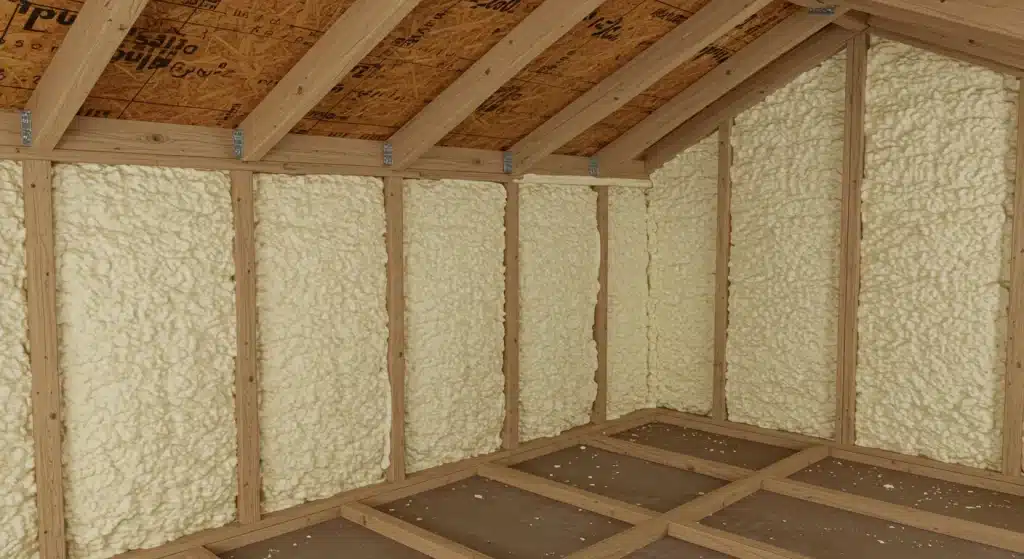
Spray foam insulation is applied as a liquid that expands on contact, filling gaps and cracks in walls, attics, crawl spaces, and other areas. As it cures, it forms a fixed, air-tight barrier rather than a loose material that can shift, compress, or drop over the years. That is the structural reason it holds its performance for decades.
Does Open-Cell or Closed-Cell Last Longer?
We install two main types of spray foam: open-cell and closed-cell. Both are long-lasting, but they are built for different jobs.
Open-cell spray foam is lighter and more cost-effective, and it works well for interior applications like walls and ceilings where air circulation and soundproofing matter. Closed-cell spray foam is denser and offers a high-density barrier against heat loss, moisture, and air infiltration. It is the type used for foundation insulation: basements, crawl spaces, and slab foundations, where moisture resistance and durability matter most.
Either type is installed to last. The choice between them comes down to where it is going and what it needs to resist, not which one wears out first.
What Can Shorten the Life of Spray Foam
The 20-plus year lifespan assumes the insulation was installed properly in the first place. That is why our crews are trained spray foam insulation installers who focus on precise application rather than a quick spray-and-go job.
Even properly installed insulation can degrade or become damaged over time due to environmental factors. When that happens, it does not mean starting over. Our spray foam repairs service is built specifically to reinforce and restore damaged or degraded sections so the insulation keeps doing its job, instead of requiring a full replacement.
The Payoff Over Time
Because spray foam does not sag or settle, it keeps sealing air leaks, and the lower energy bills and steadier indoor temperatures you get on day one continue over time. That is part of why we describe spray foam as a long-term investment in comfort and efficiency.
Ready to Make Your Insulation Last
If you are deciding between insulation options for a Las Vegas home or business, Supreme Spray Foam LV can walk you through which type of spray foam fits your property and how to keep it performing for the long run. Call us at (702) 904-9895 or email info@supremesprayfoamlv.com for a free quote.