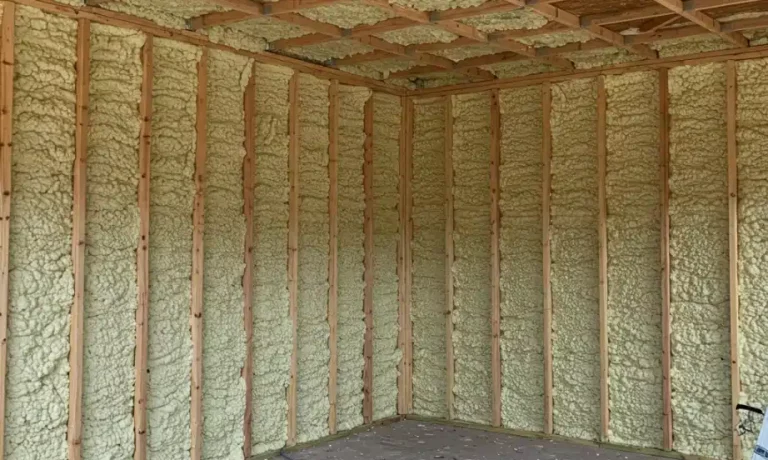
Las Vegas homes require improved insulation today due to extreme temperature fluctuations, high energy costs, and increasing pressure on the power grid. The desert climate brings scorching summers with average highs over 104°F (NOAA, 2023) and surprisingly cold winters where nighttime lows can fall below 40°F. Poorly insulated homes lose energy quickly, forcing HVAC systems to work harder, which leads to higher bills and reduced comfort. Better insulation reduces this strain, keeping indoor conditions stable while conserving energy.
Experience shows that many homes in Las Vegas, especially those built before 2005, rely on outdated insulation methods that no longer meet modern efficiency standards. New spray foam insulation systems significantly outperform fiberglass and cellulose, delivering superior air sealing and moisture control. This article provides a breakdown of insulation types, technical data, and practical insights to guide homeowners in making informed decisions.
How insulation directly impacts Las Vegas homes
Insulation acts as a thermal barrier. Without proper coverage, heat penetrates walls, ceilings, and roofs during the summer and escapes during the winter. The U.S. Department of Energy reports that proper insulation can reduce heating and cooling costs by 15% on average. In a city like Las Vegas, where HVAC demand is constant, the impact is even more pronounced.
Practical insight
- Attic insulation is often the biggest energy loss point in local homes. Spray foam creates an air seal that prevents heat from radiating into living spaces.
- Foundation and wall insulation maintain interior comfort during cold desert nights.
- Roof insulation is especially critical since direct sun exposure can raise roof surface temperatures above 150°F.
Bonus tip
Closed cell spray foam is often chosen for exterior walls and foundations in Las Vegas because it adds structural rigidity and strong moisture resistance, preventing damage from monsoon storms.
Things to check before choosing insulation
- Building Age: Older homes often lack proper air sealing and require full upgrades instead of partial repairs.
- Roof Orientation: South- and west-facing roofs absorb more solar heat and need higher R-values.
- Moisture Levels: Some properties in Las Vegas with irrigation systems or shaded areas may experience unexpected moisture retention.
- Future Renovations: Installing spray foam now can prevent costly retrofits when adding solar or new HVAC systems.
Bonus tip
Always request a blower door test to measure air leakage before and after installation. This test provides hard data on performance improvements.
Key services relevant to better insulation
- Attic Insulation: Prevents significant heat transfer through ceilings, reducing HVAC strain.
- Wall Insulation: Improves thermal stability across living areas and reduces external noise.
- Spray Foam Repairs: Addresses gaps, cracks, or deteriorating sections without requiring full replacement.
- Roof Insulation: Protects against extreme solar heat gain, a major issue in Las Vegas summers.
How long does spray foam insulation last in Las Vegas homes
Spray foam insulation typically lasts over 50 years with minimal degradation, outlasting traditional fiberglass or cellulose.
Can insulation reduce dust and allergens indoors
Yes. Spray foam creates an air seal that limits outdoor dust, pollen, and pollutants from entering the home.
Does insulation help with noise control
Open cell spray foam in particular absorbs sound effectively, reducing indoor echo and street noise.
Is spray foam safe in high heat conditions
Once cured, spray foam is stable, non-toxic, and resistant to extreme temperatures.
Final thoughts
Las Vegas homes need better insulation now to handle extreme seasonal temperature swings, conserve energy, and maintain long-term comfort. Spray foam options provide superior performance compared to outdated fiberglass or cellulose, especially in high-heat, low-humidity climates. Homeowners should evaluate property age, roof exposure, and energy goals before making insulation decisions.
Contact Supreme Spray Foam LV
For guidance and service, contact Supreme Spray Foam LV at info@supremesprayfoamlv.com or call (702) 904-9895. The team is available to assist with insulation upgrades, repairs, and consultations for Las Vegas homes.
How often should insulation be inspected
Every 5-7 years for older materials and every 10 years for spray foam to confirm performance remains consistent.
Can existing insulation be upgraded without removing it
In many cases, spray foam can be applied directly over existing insulation to improve performance.
What maintenance is needed for spray foam insulation
No routine maintenance is required, but regular inspections of the building envelope help detect unrelated issues like roof leaks.
Does spray foam impact resale value
Yes, homes with upgraded insulation often attract buyers due to lower utility costs and improved comfort.
Are there local building codes that affect insulation choices
Yes, Las Vegas follows the 2018 International Energy Conservation Code, requiring higher R-values than older standards.
Test yourself with the Quiz below:
Las Vegas Insulation Knowledge Quiz
1 minute to answer 5 questions about home insulation in Las Vegas.
Each question appears one at a time. Are you ready?
Time’s Up!
You answered 0 questions correctly before time ran out.