Upgrading residential insulation in Las Vegas typically involves a structured process that includes initial assessment, material selection, site preparation, installation, and final inspection. The entire upgrade can be completed in one to three days, depending on the property’s size and insulation method. Homeowners should expect temporary disruption, especially in attic or wall spaces, but minimal structural changes.
Las Vegas homeowners must consider regional factors such as extreme summer heat, low humidity, and monsoon season moisture. Materials like closed-cell spray foam insulation perform well under these conditions by providing thermal resistance and moisture barriers. Supreme Spray Foam LV provides insulation solutions built for desert-specific challenges, with a focus on airtight sealing, energy savings, and structural reinforcement.
Initial Property Assessment
- Inspect existing insulation
- Check for moisture damage, pests, or air leakage
- Measure current R-values against local code requirements (Las Vegas requires R-30 to R-60 for attics)
Bonus Tip: Schedule assessments during cooler months when attic temperatures are manageable.
Site Preparation
- Clear access to insulation zones (attic, crawl space, garage)
- Remove outdated or damaged insulation
- Seal air leaks before applying new material
Bonus Tip: Protect HVAC units and recessed lighting with thermal covers before applying spray foam.
Installation Process
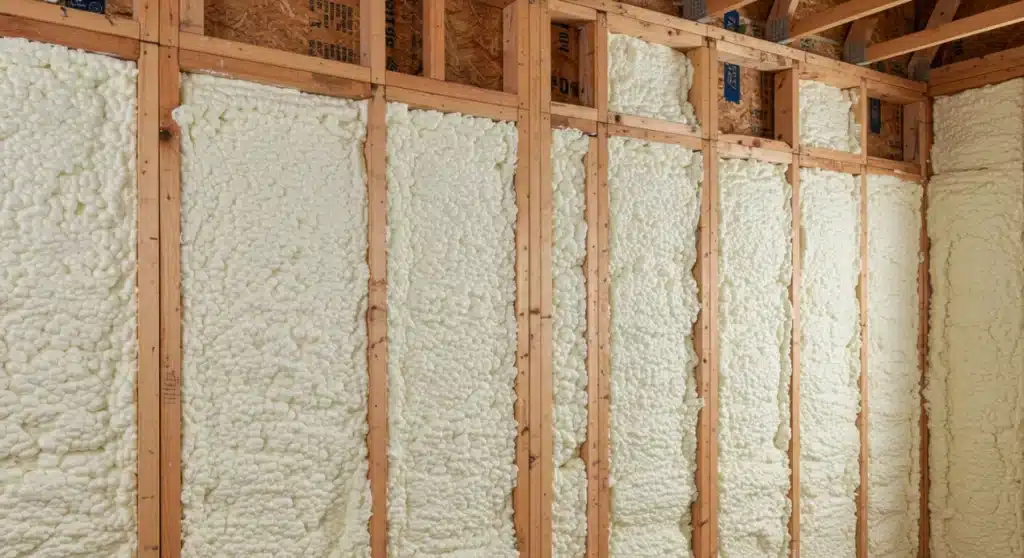
- Spray foam is applied in controlled layers
- Technicians monitor expansion to avoid overfilling
- Closed cell foam requires curing time with ventilation
- Final inspection includes thermal imaging or blower door tests
Market Insights for Las Vegas Insulation Upgrades
- Energy savings: According to NV Energy, homes with upgraded attic insulation can cut cooling costs by up to 25% during peak summer months.
- Home resale impact: Zillow data (2024) shows that homes with documented energy-efficient upgrades, including spray foam insulation, sell 3-5% faster and for higher prices.
- Building code updates: Clark County adopted IECC 2021 codes in late 2023, requiring tighter thermal envelope standards.
Things to Consider Before Making a Decision
- Property Age: Older homes often have inadequate or degraded insulation needing full replacement.
- HVAC Compatibility: Existing HVAC systems may need recalibration post-installation due to improved efficiency.
- Moisture Risks: In monsoon-prone areas, choose materials with vapor barriers.
- Budget Constraints: Weigh upfront installation costs against long-term energy savings.
Bonus Tip: Request detailed material data sheets and MSDS from your installer for future maintenance or resale documentation.
Core Services Relevant to Residential Upgrades
Supreme Spray Foam LV provides focused insulation services for homeowners upgrading thermal protection:
- Attic Insulation: Increases energy efficiency and indoor comfort by sealing heat entry points.
- Wall Insulation: Ideal for interior climate control and sound dampening between rooms.
- Closed Cell Spray Foam Insulation: Provides high R-values and moisture resistance, ideal for Las Vegas heat.
- Open Cell Spray Foam Insulation: Effective for interior applications where sound control is a priority.
How long does residential spray foam insulation take to install?
Usually 1-3 days depending on home size and areas being insulated.
Can insulation be added over existing materials?
Old or damaged insulation is typically removed to ensure proper adhesion and air seal.
Will new insulation reduce noise?
Yes. Open cell foam offers high sound absorption for interior walls.
What R-value do I need in Las Vegas?
Local codes recommend R-30 minimum in attics; R-60 is ideal for energy savings.
Get Expert Insulation Guidance
For region-specific insulation solutions backed by technical expertise, contact:
Supreme Spray Foam LV Phone: (702) 904-9895 Email: info@supremesprayfoamlv.com
Avoid recurring energy loss and ensure your home meets current performance standards.
How often should residential insulation be upgraded?
Every 15-20 years or if energy bills rise unexpectedly and comfort decreases.
Does spray foam insulation degrade over time?
Closed cell foam maintains integrity for decades. Open cell may settle slightly but remains effective.
Is spray foam safe around electrical wiring?
Yes, when installed correctly and not directly covering open junctions.
Can insulation lower my home insurance premiums?
Some providers offer discounts for energy-efficient upgrades, contact your insurer.
Will insulation help with pests?
Spray foam can block entry points, reducing access for insects and rodents.