
Traffic noise in Las Vegas homes can be significantly reduced by installing proper exterior wall insulation with high sound transmission class (STC) ratings, using mass-loaded vinyl or dense materials, sealing air gaps completely, and adding multiple layers with air gaps between them. The most effective solutions combine dense foam insulation with additional sound-dampening materials specifically designed for the desert climate conditions unique to Southern Nevada.
Living near Las Vegas Boulevard, I-15, or the growing suburban corridors means constant exposure to traffic noise that disrupts daily life and sleep quality. This guide provides practical, field-tested solutions for exterior wall insulation that actually work in the Mojave Desert climate. The focus here is on proven methods that handle both extreme summer temperatures and sound transmission challenges.
Understanding Traffic Noise Challenges in Las Vegas
Las Vegas presents unique acoustic challenges for homeowners. The city’s tourism-driven traffic patterns generate noise 24/7, with heavy vehicle volumes on major arteries such as I-15, US-95, and the Las Vegas Strip. The concrete-heavy urban environment actually amplifies sound waves rather than absorbing them. According to the Environmental Protection Agency, prolonged exposure to noise levels above 70 decibels can cause health issues, including sleep disturbance and stress.
The desert environment adds another layer of complexity. Extreme temperature fluctuations (110°F summer days to 40°F winter nights) affect how insulation materials perform over time. Materials that perform well in temperate climates may degrade, crack, or lose their sound-dampening properties under UV exposure and thermal cycling typical of Southern Nevada.
Bonus Tip: When assessing your noise problem, measure decibel levels at different times of day. Traffic noise patterns change dramatically between peak tourist seasons and off-peak periods, affecting your wall insulation requirements.
Most Effective Insulation Materials for Sound Reduction
Different insulation materials vary widely in their sound-blocking capabilities. Spray foam insulation offers excellent air sealing but limited mass for sound blocking. For optimal reduction of traffic noise, combining materials is most effective.
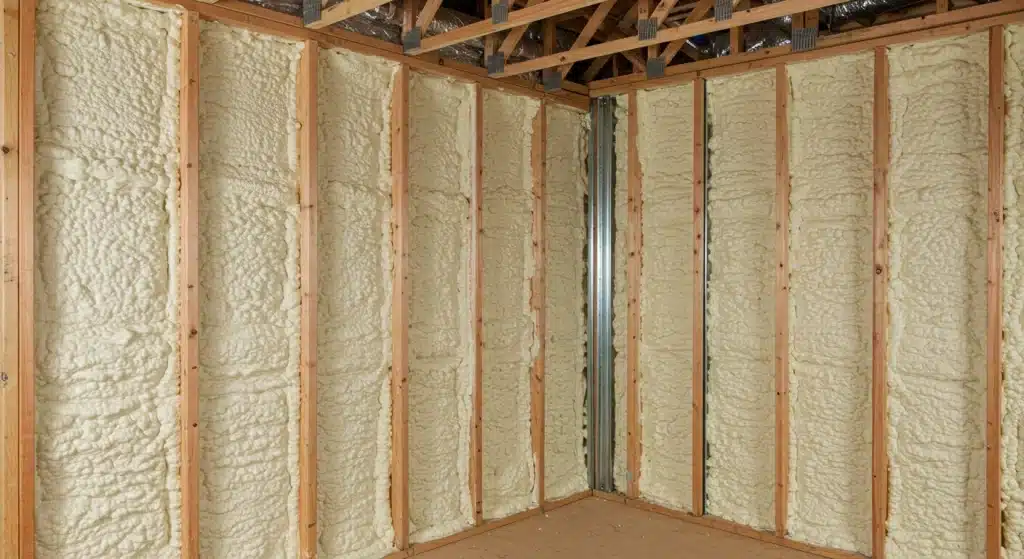
Closed-cell spray foam provides an air-tight seal that prevents sound leakage through gaps and cracks. However, for true sound isolation, it needs to be paired with dense materials that absorb and reflect sound waves. Fiber cement board, mass-loaded vinyl, or multiple layers of drywall with Green Glue compound create the mass needed for effective sound blocking National Institute of Building Sciences.
Regional Consideration: In Las Vegas, closed-cell spray foam outperforms open-cell because it resists moisture from occasional desert thunderstorms while maintaining its sound-blocking performance in extreme heat.
Insulation Materials Comparison
| Material | STC Rating | R-Value per inch | Las Vegas Climate Suitability |
|---|---|---|---|
| Closed-cell spray foam | 35-40 | 6.5-7.0 | Excellent |
| Open-cell spray foam | 25-30 | 3.5-4.0 | Good |
| Mass-loaded vinyl | 55-60 | N/A | Excellent |
| Fiber cement board | 40-45 | 0.15-0.20 | Excellent |
Bonus Tip: For maximum noise reduction in Las Vegas homes, install mass-loaded vinyl over closed-cell spray foam, then finish with fiber cement board. This three-layer system addresses both air gaps and mass requirements for sound blocking.
Installation Techniques That Matter
Proper wall installation matters as much as material selection. Even the best insulation fails when installed incorrectly. The most common mistakes in Las Vegas homes include incomplete coverage, leaving air gaps around electrical boxes, and not sealing penetrations properly.
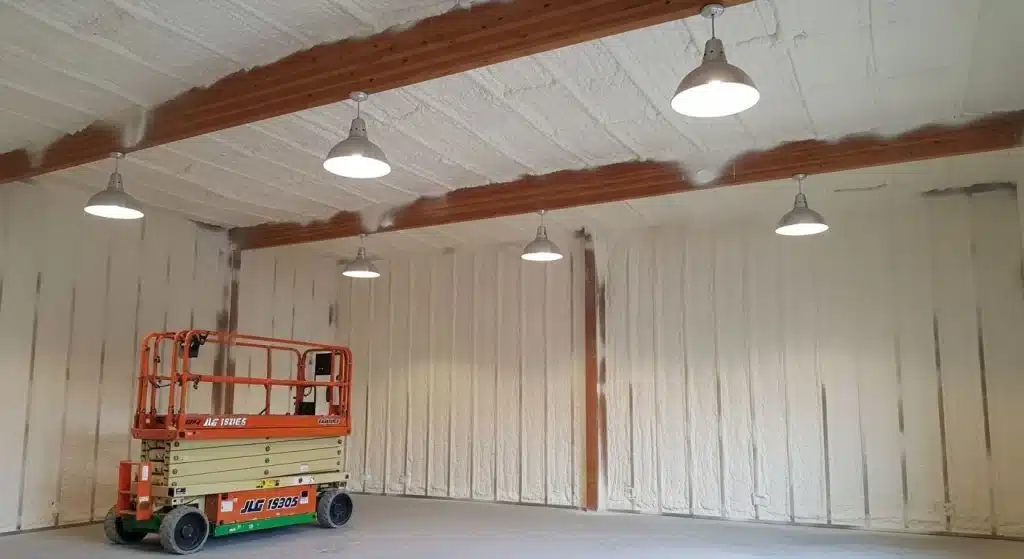
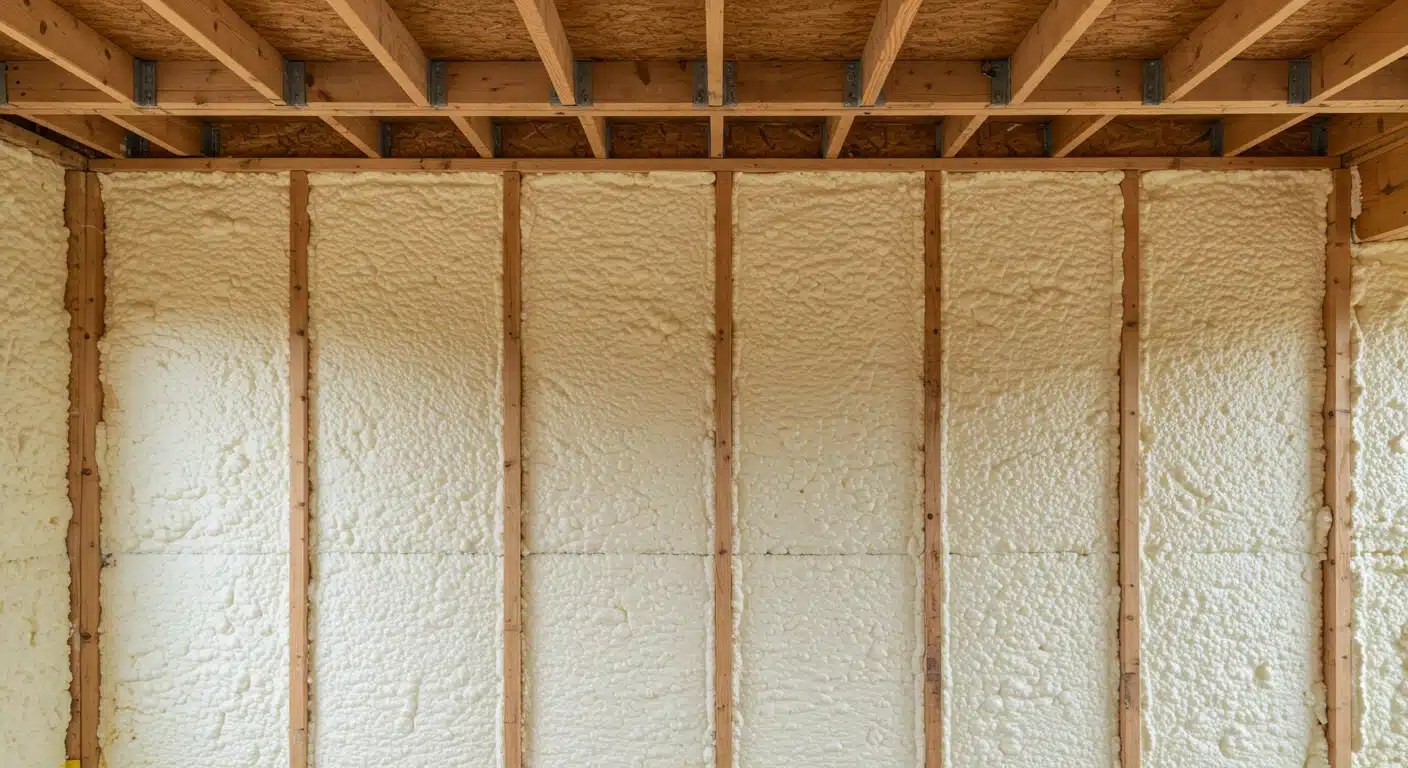
For spray foam insulation, complete cavity fill is essential. Any voids become sound channels that negate the insulation’s benefits. The foam should fill studs completely and extend to wall edges without gaps. Pay special attention to areas around windows, doors, and utility penetrations where sound leaks typically occur.
Bonus Tip: Before insulation installation, walk the exterior walls with a flashlight, looking for any light penetration. These spots will leak sound and must be sealed completely before insulation begins.
Things to Consider Before Making a Decision
Your specific situation determines the right insulation approach. Homes near the Las Vegas Strip or major highways need higher STC ratings than those in quieter suburban areas. The construction method of your home also affects choices. Stucco homes handle different insulation approaches than frame construction.
Budget constraints are realistic, but cutting corners on sound insulation usually incurs higher costs later. Consider that removing and replacing insulation costs triple the original installation expense. Desert climate compatibility is non-negotiable: materials must withstand UV exposure without degrading and maintain their properties through extreme temperature swings.
HVAC systems need consideration, too. Proper insulation might reduce your cooling costs by up to 30% during Las Vegas summers, offsetting some installation costs. According to the U.S. Department of Energy, proper insulation can save homeowners up to 15% on heating and cooling costs.
Key Takeaways
Effective traffic noise reduction in Las Vegas homes requires combining proper exterior insulation materials with correct installation techniques. Focus on creating air-tight seals with dense materials that provide both thermal protection and sound blocking in the desert climate. The investment pays dividends in both comfort and property value.
Evaluate your specific noise levels, home construction, and budget before choosing an insulation approach. Consider that the most expensive solution isn’t always necessary – proper installation of mid-range materials often outperforms premium products installed poorly.
Ready to Reduce Your Home’s Traffic Noise
Supreme Spray Foam LV specializes in traffic noise solutions specifically designed for Las Vegas desert homes. Contact the experts at [email protected] or call (702) 904-9895 to schedule a noise assessment and discuss your insulation options. The team understands Las Valley’s unique acoustic challenges and provides customized solutions that work.
Frequently Asked Questions
What R-value should I target for Las Vegas homes?
For sound insulation specifically, focus more on STC ratings than R-value. However, in the Las Vegas climate, R-19 minimum for exterior walls is recommended for thermal performance. Many homeowners achieve both with closed-cell spray foam plus additional sound-dampening layers.
How much noise reduction can I realistically expect?
Properly installed exterior insulation with appropriate materials can reduce traffic noise by 50-75%. This typically means perceived noise levels drop from “very noticeable and disruptive” to “barely audible background sound.”
Will exterior insulation make my home too hot?
Not with proper materials. Modern insulation systems breathe appropriately while blocking sound. Closed-cell foam actually reflects heat, helping maintain comfortable indoor temperatures during Las Vegas summers.
How long does installation take?
Typical Las Vegas homes require 2-4 days for complete exterior wall insulation installation, depending on square footage and complexity. Weather delays are rare in the desert climate.
Can I add sound insulation to existing walls?
Yes, through injection foam or exterior retrofit methods. Supreme Spray Foam LV specializes in retrofit solutions that don’t require interior demolition, maintaining your home’s livable space during installation.
Sources
- Environmental Protection Agency – Federal agency information on noise pollution health effects and acceptable exposure levels
- U.S. Department of Energy – Official government resource on insulation types, R-values, and energy savings potential
- National Institute of Building Sciences – Building science organization providing technical guidance on sound control systems and STC ratings