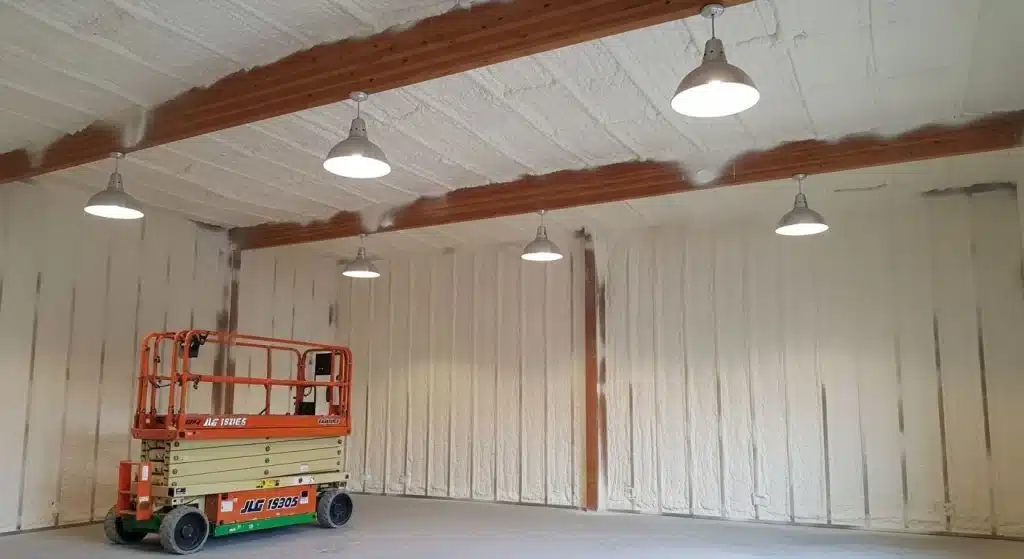


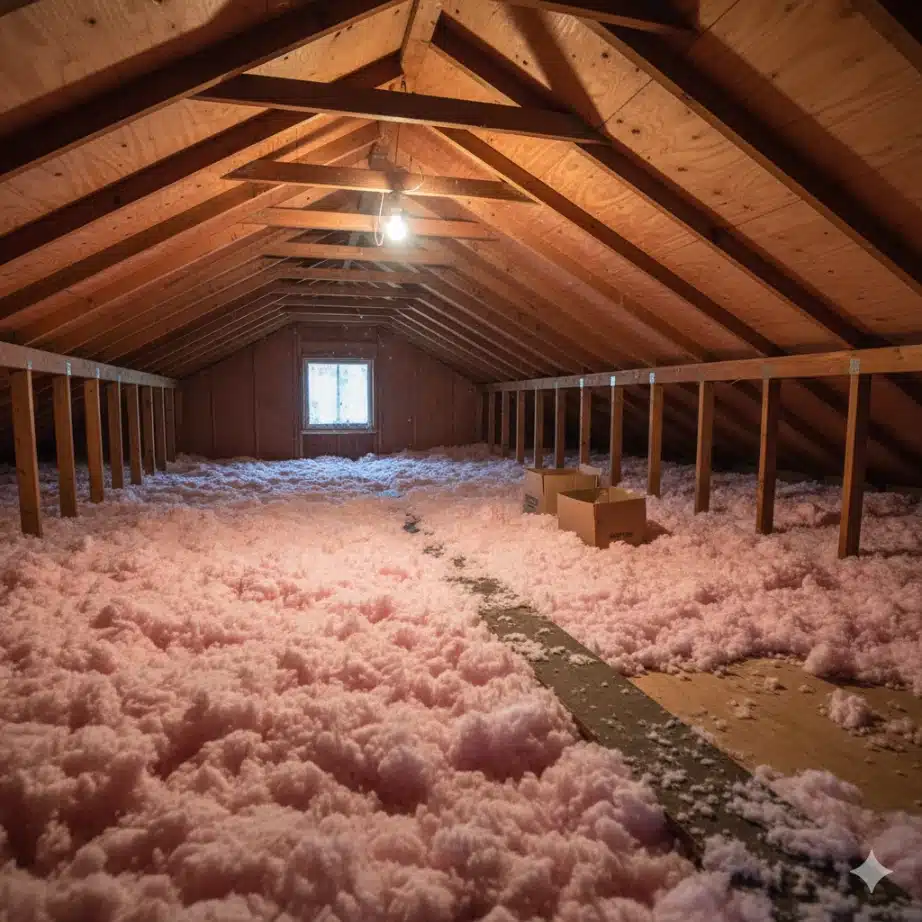
We can stop heat from escaping through your roof by sealing air gaps and adding high-performance spray foam. Most homes lose about 25% of their heat through an uninsulated attic, according to the Department of Energy. Fixing this makes your rooms warmer and lowers your monthly power bills.
Key Takeaways
- Air sealing stops drafts before you add new insulation material.
- Spray foam blocks both heat transfer and air leakage in a single step.
- Better attic thermal control lowers wear on your heating and cooling system.
Reasons Your Attic Loses Heat
We see many homes where warm air rises and escapes through the roof because of poor sealing. This process, known as convection, pulls cold air into the lower levels of your house while your expensive heated air drifts away.
Gaps Around Pipes and Wires
Small holes for plumbing stacks and electrical wires act like chimneys for heat. Even small cracks can let a large amount of air move from your living space into the attic. We find that sealing these spots is just as important as the insulation itself.
Common Air Leak Spots
- Electrical boxes for ceiling fans and lights often have large gaps.
- Plumbing vent pipes usually have space around them where they enter the attic.
- Top plates of interior walls often have drilled holes that stay open.
Seal Small Holes First
Before we spray foam, we check for dirty insulation, which often points to an air leak. Dirt acts like a filter as air passes through, leaving a dark stain that shows us exactly where to seal.
Supreme Spray Foam LV Attic Success
A homeowner in Las Vegas had rooms that stayed cold despite the heater running all day. Supreme Spray Foam LV sealed the attic floor and applied 2 inches of foam, which immediately stopped the drafts.
Materials That Block Heat Flow
We choose materials based on how well they resist heat transfer, as measured by their R-value. Different products work better depending on the climate and the shape of your roof. Using the right stuff ensures your home stays comfortable year-round.
Spray Foam versus Fiberglass
Fiberglass batts are common, but they do not stop air from moving through them. Spray foam repairs expands to fill every crack, providing a superior seal that fiberglass cannot match. We prefer foam because it handles two jobs at once by insulating and air sealing.
Material Comparison Table
| Material Type | R-Value per Inch | Air Sealing Ability |
|---|---|---|
| Closed Cell Spray Foam | 6.5 to 7.0 | Excellent |
| Open Cell Spray Foam | 3.5 to 3.8 | Good |
| Fiberglass Batts | 2.2 to 3.8 | Poor |
| Cellulose | 3.2 to 3.8 | Fair |
Will More Attic Insulation Save Money?
Yes, adding the right amount of insulation is one of the fastest ways to lower your energy costs. When your attic is tight, your heater does not have to work as hard to maintain a steady temperature. This saves money on repairs and helps your system last longer.
Data from Energy Star shows that homeowners can save an average of 15% on heating and cooling costs by air sealing and insulating. In extreme climates, these savings can be even higher. You see the biggest difference in older homes that have thin or settling material.
The project’s cost often pays for itself within a few years through lower utility bills. You also gain a more comfortable home with fewer cold spots and less noise from the outside. This is a smart investment for any property owner.
Lower Power Bills Every Month
When we stop heat loss, your thermostat stays satisfied for longer periods. You will notice the heater cycles on less often, which directly reduces the amount of gas or electricity you use.
Steps for a Better Sealed Attic
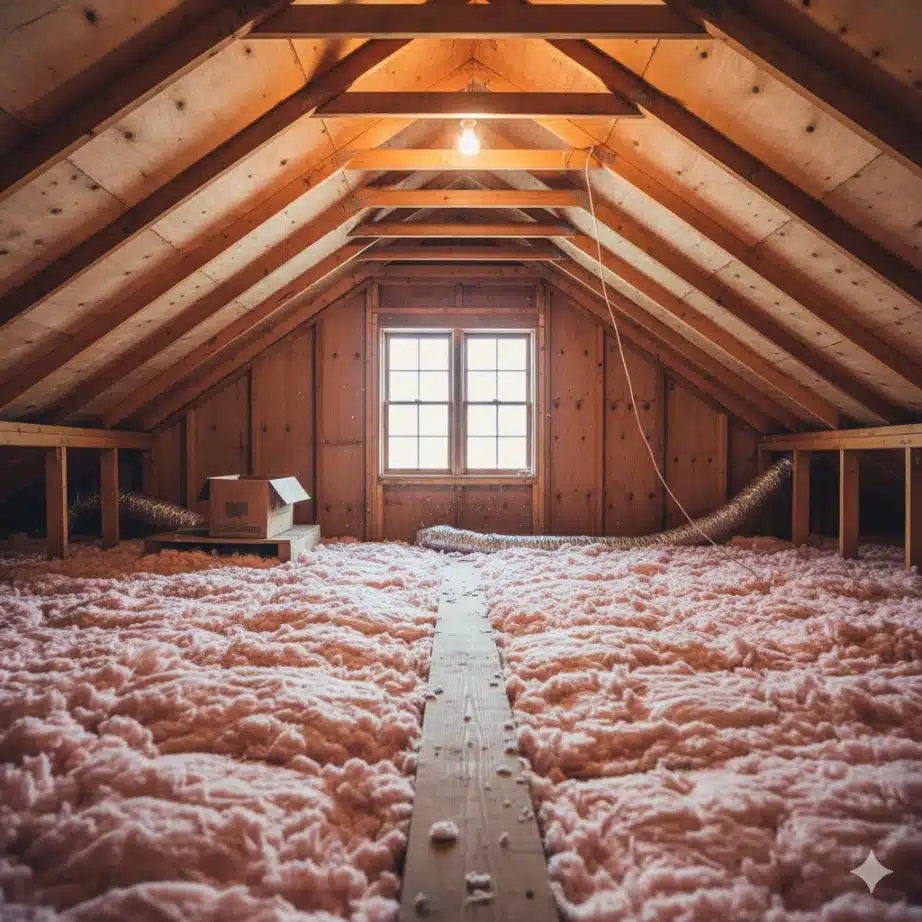
We start every project by assessing the current condition of your attic floor. It is important to fix any roof insulation leaks or moisture issues before we put down new material. A dry attic is a healthy attic that will keep your home warm for decades.
Clear Out Old Material
Sometimes we need to remove old, dusty, or pest-damaged insulation to reach the air leaks underneath. This gives us a clean surface to apply the foam so it sticks properly to the wood and drywall.
Professional Installation Standards
- We always wear protective gear to keep the workspace clean and safe.
- Our team checks for proper ventilation to prevent moisture buildup under the roof deck.
- We use baffles to keep soffit vents open so the attic can breathe.
Best Results for Your Home Energy
We focus on long-term performance by using high-quality spray foam that does not settle over time. Once the foam is in place, it stays there and keeps its R-value for the life of the building. This means you do not have to worry about topping it off every few years.
Fixing heat loss is about more than just comfort; it is about protecting your home. Proper insulation prevents ice dams in winter and keeps the roof structure from overheating in summer. We help you create a barrier that works in every season.
Working with a professional team ensures the job is done right the first time. We have the tools to reach tight corners and the experience to know where the worst leaks are hidden. We want to help you make your home as efficient as possible.
Contact Supreme Spray Foam LV for Expert Help
We take pride in helping our neighbors save money and stay cozy. If you are tired of high bills and cold rooms, Supreme Spray Foam LV is ready to help with your attic project. Give us a call at (702) 904-9895 or email [email protected] to get started today.
FAQs – For Spray Foam Professionals
Does insulating your attic help with heat?
Yes, it acts as a lid for your home. Since heat rises, a well-insulated attic keeps that warmth from escaping through the roof during the winter and blocks outdoor heat in the summer.
Can insulation reduce heat loss?
It reduces heat loss by creating a thermal barrier. According to the International Association of Certified Home Inspectors, proper ceiling insulation is the most effective way to improve home energy efficiency.
How can loft insulation reduce heat loss?
Loft insulation works by trapping air and slowing down the movement of heat through the ceiling. When we use spray foam, it also stops air from physically blowing through gaps and cracks.
How to insulate an attic against heat?
The best way is to combine air sealing with a high R-value material like spray foam. We seal the “bypass” areas like light fixtures and then apply foam to create a seamless blanket over the attic floor.
How to reduce attic heat economically?
You can reduce heat economically by focusing on air leaks first. Sealing large gaps with foam cans and adding weatherstripping to the attic hatch are low-cost steps that offer a high return on investment.
Sources
- Department of Energy – Official guide on insulation types and energy saving facts.
- Energy Star – Detailed resource on finding and sealing attic air leaks.
- International Association of Certified Home Inspectors – Expert information on the benefits of ceiling and attic insulation.