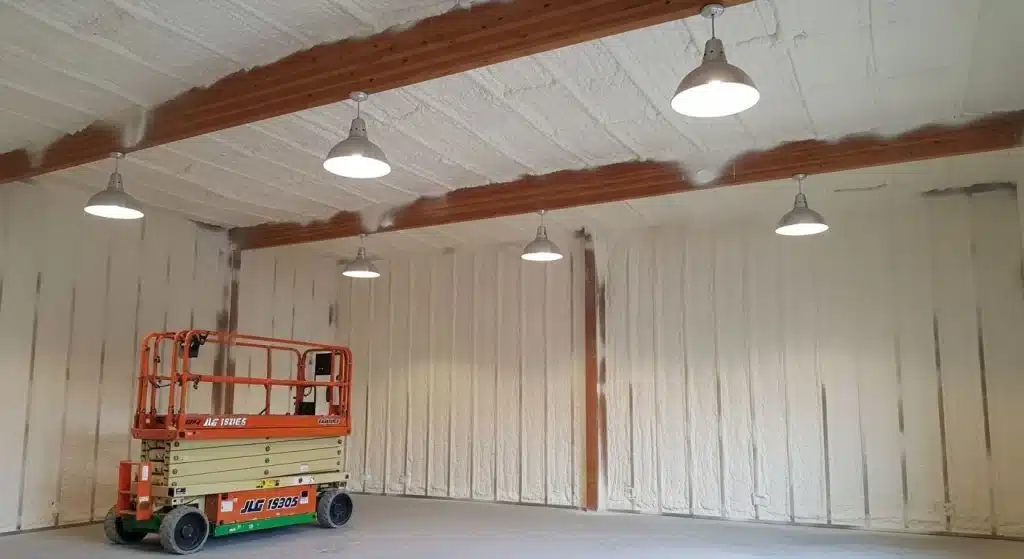

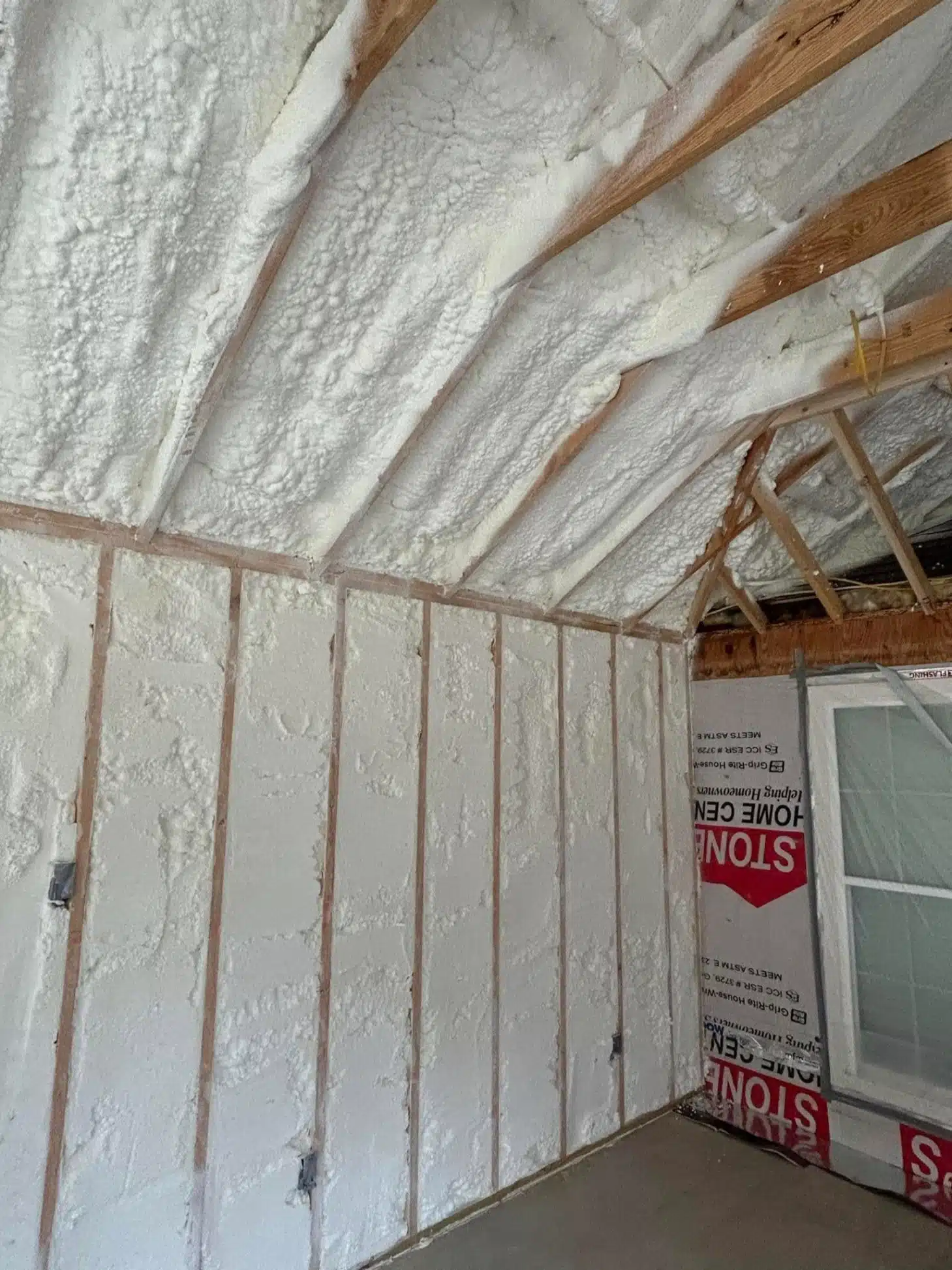
Open-cell spray foam insulation stands out as the superior choice for Whitney renovations because it offers an exceptional air seal that combats desert heat, provides significant noise reduction for interior comfort, allows for necessary moisture breathability in roofing systems, and delivers high-volume coverage at a lower cost than closed-cell alternatives. For homeowners dealing with the intense Southern Nevada climate and the specific structural needs of older properties, this material solves energy loss and comfort issues more effectively than traditional fiberglass or cellulose.
Renovating a home in Whitney, Nevada, presents unique challenges, primarily due to the blistering summer temperatures and the potential for noise pollution in denser residential areas. Selecting the proper insulation is not just about meeting code; it is about creating a living space that remains cool without bankrupting you on energy bills. Based on extensive field experience in the Las Vegas Valley, Supreme Spray Foam LV recognizes that while every project differs, open-cell foam frequently offers the best balance of performance and value for residential retrofits.
1. Superior Air Sealing in Desert Climates
The primary battle in any Whitney home is keeping the conditioned air inside and the scorching desert heat outside. Traditional insulation materials, such as fiberglass batts, often leave small gaps and seams where they meet the studs. In the heat of July, these tiny gaps accumulate, allowing hot air to infiltrate the home through air leakage.
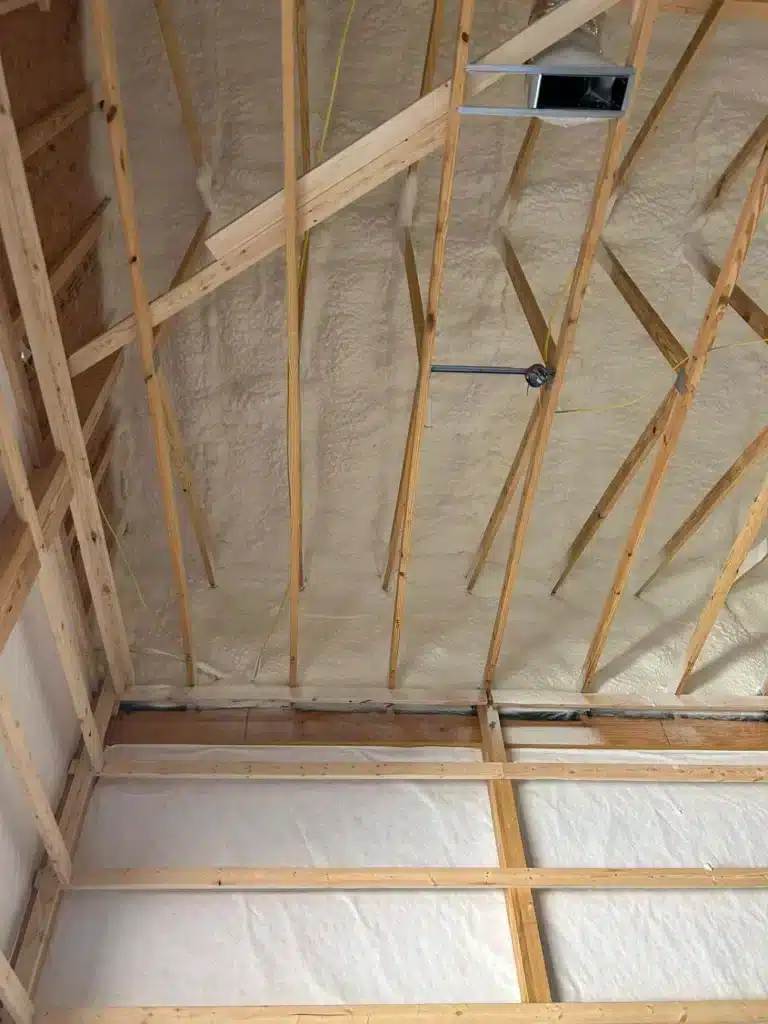
Open-cell foam expands roughly 100 times its original liquid volume upon application. This massive expansion allows the foam to penetrate every nook, cranny, and electrical outlet gap before it cures. According to the Department of Energy, air sealing is one of the most effective ways to cut heating and cooling costs, potentially saving homeowners up to 15% on those costs alone.
By creating a semi-rigid barrier, open-cell foam prevents the “stack effect,” in which hot air entering the attic forces cool air out of the living spaces below. This air barrier is often more valuable in the Nevada climate than R-value alone, as it physically blocks the flow of heat rather than just slowing it.
Market Data Insight: Reports indicate that air leakage accounts for 25% to 40% of the energy used for heating and cooling in a typical American home, as noted by Energy Star. Addressing this with spray foam directly impacts monthly utility expenses.
2. Exceptional Sound Dampening Capabilities
Many homes in Whitney are situated near busy thoroughfares or in neighborhoods where houses are built close together. Noise transfer through walls can be a significant annoyance. Open-cell foam is much less dense and softer than its closed-cell counterpart. This physical sponge-like structure makes it an excellent sound absorber.
When sound waves hit a wall insulated with open-cell foam, the foam traps the acoustic energy rather than reflecting it or allowing it to pass through the studs. It effectively reduces airborne noise, such as traffic sounds, barking dogs, or loud music from a neighbor.
Bonus Tip: If you are renovating a two-story home, consider applying open-cell foam in the floor joists between the first and second floors. This application significantly reduces footsteps’ sound and creates a quieter environment in the downstairs living areas.
Comparison: Open-Cell vs. Other Insulation Types
The following table outlines how open-cell foam compares to other common materials used in Nevada renovations.
| Feature | Open-Cell Foam | Closed-Cell Foam | Fiberglass Batts |
|---|---|---|---|
| Expansion Rate | High (~100x) | Medium (~40x) | None |
| Air Barrier | Excellent | Excellent | Poor |
| Sound Dampening | Superior | Good | Low to Medium |
| Moisture Permeability | Permeable (Breathable) | Impermeable (Barrier) | Permeable |
| Cost Efficiency | High | Medium | High (Material only) |
| Best Use Case | Interior walls, attics | Flood zones, exterior | DIY projects |
3. Breathability and Moisture Management
There is a misconception that all moisture barriers are sound. In a hot, dry climate like Southern Nevada, you generally want your building assembly to “breathe” in certain directions to prevent moisture from becoming trapped. Open-cell foam is vapor-permeable. This means that if a roof leak were to occur, water can move through the foam and dry out rather than getting trapped against the wooden roof deck.
Closed-cell foam is a vapor barrier. If water gets behind it, the moisture can be trapped against the wood, potentially leading to rot that goes unnoticed for years. For attic renovations where the foam is applied to the underside of the roof deck, open-cell is often the safer long-term choice for the structural integrity of the wood.
A technical paper from Building Science Corporation explains that unvented roof assemblies in hot-dry climates perform exceptionally well when moisture is allowed to diffuse, preventing the accumulation of dampness that fuels mold growth.
4. Cost-Effectiveness for Large Coverage
Renovation budgets are rarely unlimited. Open-cell foam uses significantly less chemical material to fill a cavity than closed-cell foam because of its higher expansion rate. You get more volume per dollar.
For a typical 2×4 or 2×6 wall cavity, open-cell foam provides the necessary thermal resistance to keep the room comfortable without the higher price tag of high-density foam. This allows homeowners to allocate their renovation budget to other critical areas, like high-efficiency windows or updated HVAC systems, which work in tandem with the insulation to improve efficiency further.
Things to Consider Before Making a Decision
Before committing to a specific insulation type, evaluate the current state of your property.
- Wall Depth: Open-cell foam has a lower R-value per inch (roughly R-3.5 to R-3.7) than closed-cell foam. If your walls are very thin (2×3), you might not achieve the total R-value you want without using a denser product, though the air seal often compensates.
- Application Area: Open-cell foam should not be used in basements or crawl spaces where it might come into direct contact with groundwater or heavy moisture, as it can absorb water like a sponge. It is strictly for above-grade applications, such as walls, ceilings, and attics.
- Existing Wiring: Renovations often involve older electrical work. Ensure that all wiring is up to code before spraying, as the foam will encase the wires, making future adjustments more difficult.
Conclusion
Choosing the proper insulation for your Whitney renovation impacts your daily comfort and your monthly expenses for decades. Open-cell foam provides a robust solution that tackles the specific heat and noise challenges of the area while offering a forgiving price point. It creates a sealed, quiet, and breathable envelope that traditional materials simply cannot match. Evaluate your specific project goals, budget, and structural constraints to determine if this versatile material aligns with your long-term vision for your home.
Ready to Upgrade Your Insulation?
If you are planning a renovation in Whitney and want to ensure your home is energy-efficient and comfortable, Supreme Spray Foam LV is here to help. We provide honest assessments and professional installation to get the job done right. Call us at (702) 904-9895 or email [email protected] to discuss your project needs. Do not let another summer go by with high energy bills and uneven cooling.
Frequently Asked Questions
Can open-cell foam be applied directly to the underside of my roof?
Yes, this is a widespread application known as an “unvented attic.” It moves the thermal boundary of the home from the ceiling to the roof deck, keeping your attic space much cooler. This is beneficial if your HVAC ducts run through the attic, as they will no longer be sitting in extreme heat.
Will open-cell foam stop rodents and pests?
While it is not a food source for pests, open-cell foam is not a structural barrier against chewing rodents. However, because it seals the tiny gaps where pests typically smell food and enter, it can discourage them from trying to get in.
How does it affect my home’s resale value?
Energy-efficient upgrades are high on the list for buyers in Nevada. Documenting that your home has been professionally air-sealed with spray foam can be a strong selling point, as it demonstrates lower utility costs to potential buyers.
What happens if I need to run new wires later?
Electricians can push a fish tape through open-cell foam because it is soft and pliable. It is significantly easier to work with for future modifications than rigid closed-cell foam.
Sources
- Department of Energy – Information on insulation types, R-values, and energy-saving potential.
- Energy Star – Methodology and data regarding air leakage and its impact on home heating and cooling loads.
- Building Science Corporation – Technical digest explaining the performance of unvented roof assemblies and moisture management in different climates.