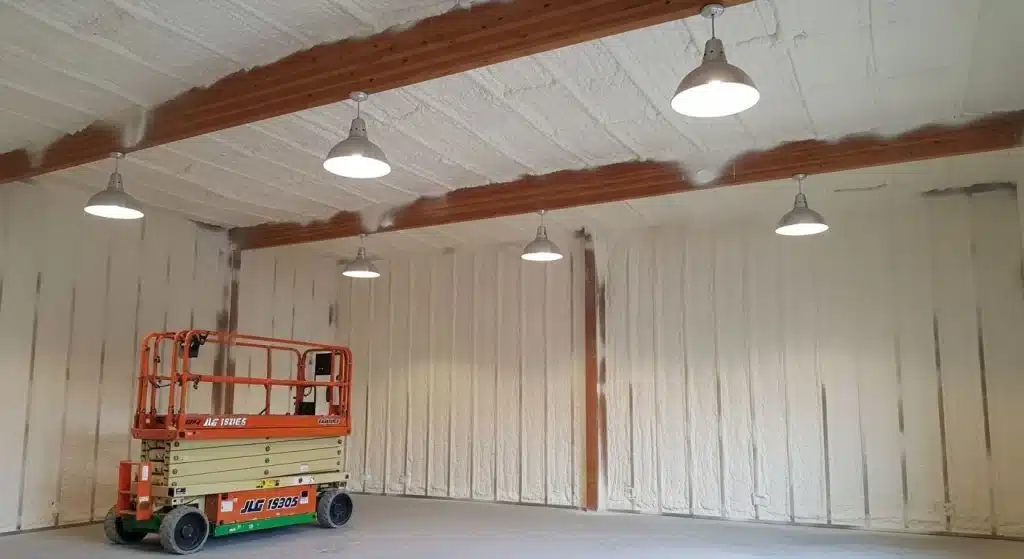

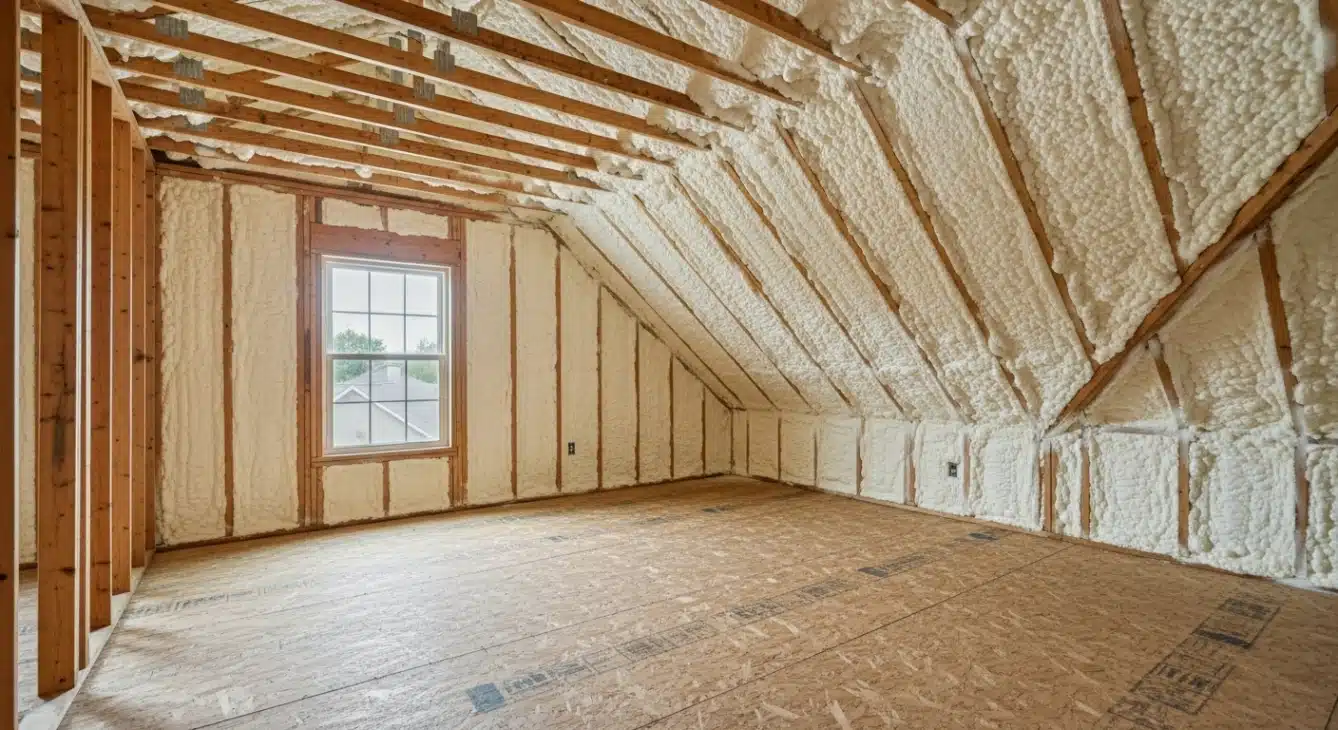
Open-cell spray foam insulation effectively reduces noise transmission in homes by filling gaps and absorbing sound waves. In Centennial Hills, where urban development and desert winds create constant background noise, this insulation solution offers significant acoustic benefits while addressing the region’s unique climate challenges. The material’s open-cell structure traps air pockets, disrupting sound pathways and making it particularly effective for both impact and airborne noise reduction.
Las Vegas homeowners face distinct acoustic challenges from nearby Henderson traffic, Nellis Air Force Base operations, and the constant operation of air conditioning systems during extreme temperatures. Open-cell spray foam addresses these issues while delivering superior thermal performance in desert climates. This comprehensive guide explains how this material creates quieter living spaces while optimizing energy efficiency for homes in the Las Vegas Valley.
How Open-Cell Spray Foam Reduces Noise
Open-cell spray foam works through sound absorption rather than just blocking. When sound waves enter the foam’s cellular structure, they bounce between trapped air pockets and dissipate as heat energy. This process converts sound energy into thermal energy, significantly reducing noise transmission through walls, ceilings, and floors. The material achieves Sound Transmission Class (STC) ratings between 40-50 when properly installed, comparable to specialized acoustic insulation products.
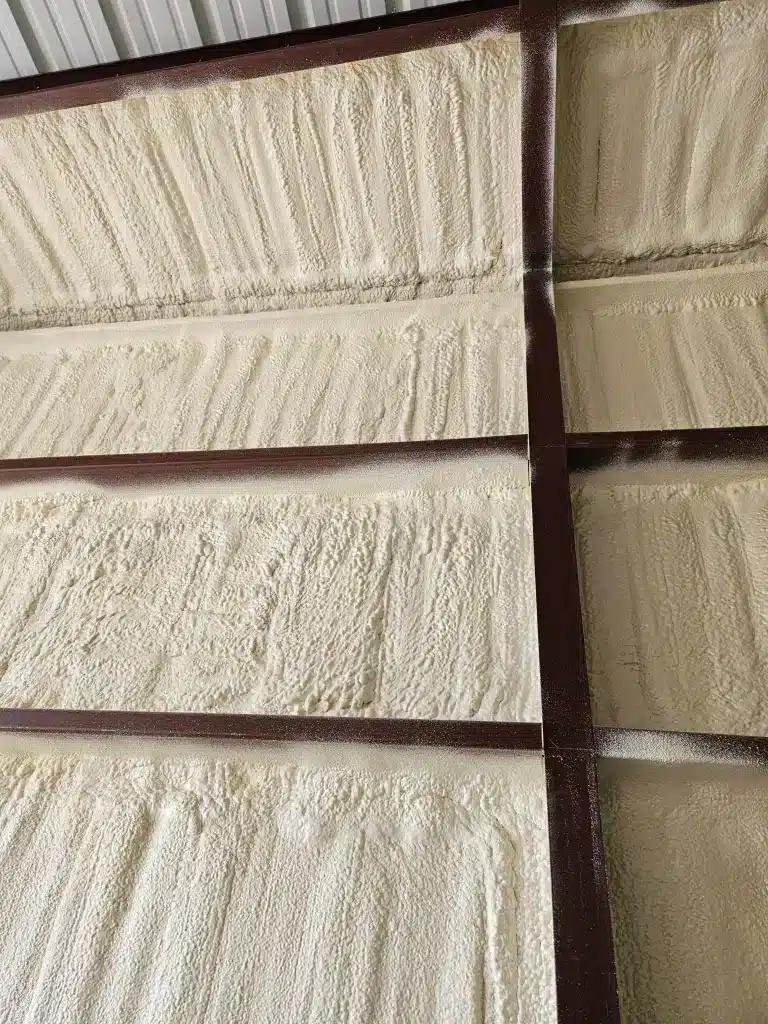
The foam expands up to 100 times its liquid volume, sealing cracks and gaps that typically allow sound to travel through building assemblies. This complete air sealing eliminates the acoustic bridges found in traditional insulation methods like fiberglass batts. In Centennial Hills homes, this is especially valuable for blocking noise from aircraft operations and urban traffic that can penetrate even the smallest openings.
Regional Acoustic Benefits for Las Vegas Homes
Centennial Hills residents experience multiple noise sources unique to the Las Vegas area. The constant hum of air conditioning units operating during 115-degree summer days creates a persistent background noise. Open-cell spray foam reduces this mechanical noise by absorbing vibrations before they travel through wall assemblies. Additionally, the material minimizes noise from occasional flash floods and desert wind gusts that can reach 40 mph during the monsoon season.
Las Vegas’s rapid urban development means many homes are near major construction zones. According to the SPFA construction noise regularly exceeds 85 decibels, levels that can cause hearing damage with prolonged exposure. Open-cell spray foam installed in exterior walls and ceiling assemblies provides substantial protection from these temporary but intense noise sources while maintaining comfortable indoor temperatures year-round.
Installation Process and Technical Considerations
Professional installation requires specific equipment and training to achieve optimal acoustic performance. The spraying process involves mixing two components at the application site, which immediately expand and cure within seconds. Installers must control temperature and application thickness carefully to ensure proper cell formation and maximize sound absorption capabilities.
In the Las Vegas climate, moisture management during installation presents unique challenges. While open-cell foam allows vapor Barrier diffusion, the extremely low humidity levels can affect cure times. Experienced technicians adjust application parameters based on ambient conditions to prevent shrinkage or uneven cell formation that would compromise acoustic performance. Most Centennial Hills installations are complete within 1-2 days for an average-sized home.
Technical Specifications Table
| Property | Value | Acoustic Impact |
|---|---|---|
| R-Value (per inch) | 3.5 | Moderate thermal barrier |
| Density | 0.5-1.0 lbs/ft³ | Excellent sound absorption |
| Expansion Ratio | 100:1 | Complete cavity fill |
| STC Rating | 40-50 | Significant noise reduction |
| Vapor Permeability | 30-50 perms | Breathes with climate |
Bonus Tip: Install open-cell foam in interior walls between bedrooms and living areas to create quieter zones within your home. This approach costs less than exterior wall installation while providing substantial acoustic benefits.
Things to Consider Before Making a Decision
Choosing Open-cell spray foam requires different handling than traditional insulation materials. The material needs proper air-exchange systems because homes are becoming so airtight. In Las Vegas, this means investing in quality ventilation systems that can handle extreme temperature swings while maintaining indoor air quality.
Building code compliance represents another critical consideration. Clark County Building Department requires specific documentation for foam insulation products. Homeowners must verify that chosen materials meet International Building Code requirements for fire resistance and vapor barriers. Some historic districts in the Las Vegas area have additional restrictions affecting installation methods.
Bonus Tip: Request third-party testing of acoustic performance before final payment. Specialized equipment can measure sound reduction levels to verify that the installation achieved the promised STC ratings. This documentation also adds value if you sell your home.
Market Data and Long-Term Value
Homeowners in the Las Vegas Valley see significant returns from acoustic insulation investments. A recent study by the National Association of Home Builders found that noise reduction features rank among the top five amenities buyers seek in residential properties. Homes with verified acoustic improvements sell for 3-5% more than comparable properties without these features.
Energy savings provide additional financial benefits. The U.S. Department of Energy reports that proper air sealing can reduce heating and cooling costs by 15% annually. In Centennial Hills, where air conditioning accounts for over 50% of summer energy bills, open-cell spray foam pays for itself through reduced utility costs while simultaneously improving home acoustics.
Bonus Tip: Combine open-cell spray foam with resilient channel systems and double drywall for maximum soundproofing in home theaters or music rooms. This approach can achieve STC ratings above 60, blocking nearly all audible sound transmission.
Next Steps for Your Centennial Hills Home
Evaluating your home’s specific acoustic needs helps determine if open-cell spray foam suits your situation. Consider conducting a noise audit to identify problem areas and quantify sound transmission levels. This assessment reveals which spaces benefit most from foam installation and helps prioritize projects within your budget.
The decision process should balance immediate acoustic improvements with long-term comfort and energy savings. Many homeowners in Centennial Hills start with exterior walls and attic spaces to address both noise and thermal performance simultaneously. This approach provides the highest return on investment while creating quieter, more comfortable living environments.
Contact Supreme Spray Foam LV for a Professional Assessment
For personalized acoustic solutions in Centennial Homes, contact Supreme Spray Foam LV at [email protected] or call (702) 904-9895. Professional installers evaluate your home’s specific noise challenges and provide detailed recommendations for open-cell spray foam applications. Schedule a consultation to understand how this material can create a quieter, more energy-efficient living space tailored to Las Vegas climate conditions.
Frequently Asked Questions About Acoustic Installation
How does open-cell compare to closed-cell spray foam for soundproofing?
Open-cell foam provides superior acoustic performance due to its softer cellular structure that better absorbs sound waves. While closed-cell offers higher R-values and moisture resistance, open-cell’s lower density makes it more effective for noise reduction applications.
Can open-cell spray foam reduce noise from upstairs neighbors in multi-story homes?
Yes, when installed between floor assemblies, it significantly reduces both impact noise (footsteps) and airborne noise (voices, music). The foam absorbs vibrations that travel through floor joists, creating quieter living spaces below.
Is open-cell foam safe for homes with allergies or respiratory concerns?
Once cured, the foam becomes inert and does not release particles into the air. The sealed environment actually improves indoor air quality by preventing outdoor allergens from entering through gaps and cracks in the building envelope.
Does the Las Vegas heat affect open-cell spray foam’s acoustic properties?
The material maintains consistent acoustic performance across desert temperature extremes. Professional installation includes UV stabilizers that prevent degradation from intense sunlight, ensuring reliable sound reduction year-round.
Sources
- National Association of Home Builders – Industry research on home features that add property value
- U.S. Department of Energy – Data on energy savings from proper air sealing and insulation
- SPFA – Local noise pollution data and regulations for the Las Vegas area