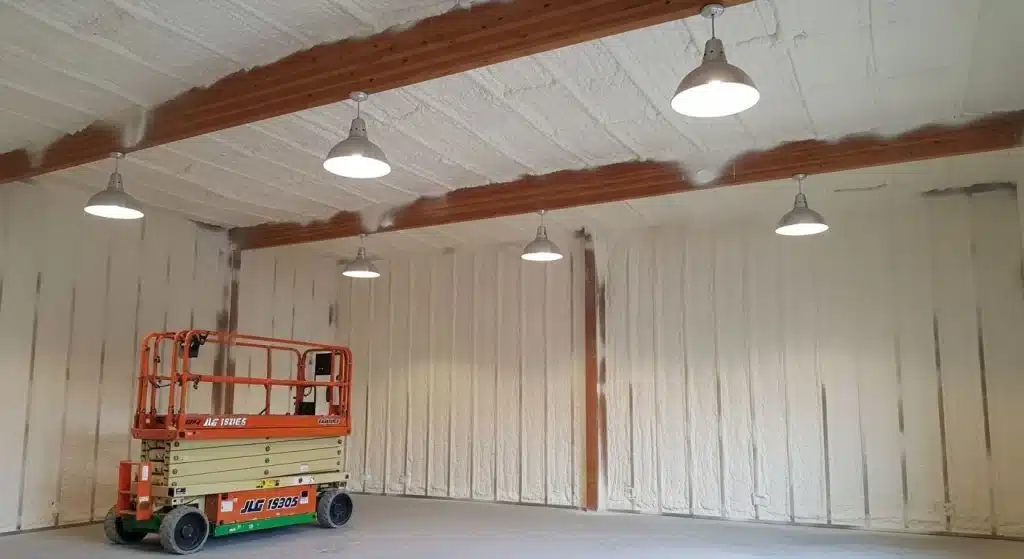

Homeowners often expect a reduction in monthly energy bills as the primary reason for upgrading insulation, but the financial savings are actually a form of delayed gratification. The most immediate impact occurs within the first 24 to 48 hours after the foam cures. The first thing residents notice is a drastic stabilization of indoor temperatures and a sudden drop in exterior noise levels.
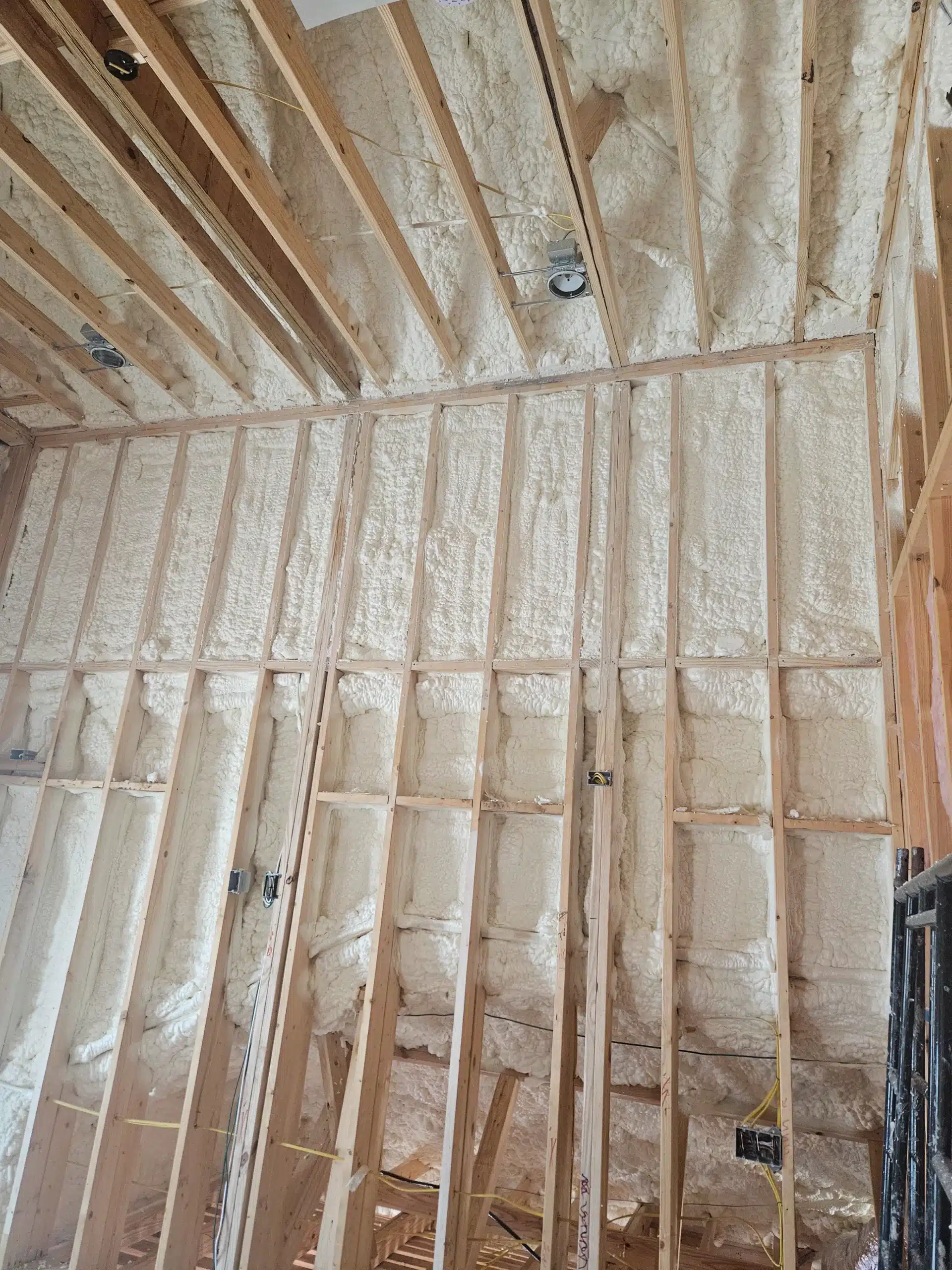
Living spaces that were previously uncomfortable or drafty effectively become usable square footage again. Unlike traditional insulation materials like fiberglass or cellulose, spray foam expands to fill gaps and cracks, creating a continuous air barrier. This seal stops the “stack effect,” where conditioned air escapes through the attic and pulls unconditioned outdoor air into the lower levels. Experienced installers see this reaction consistently: clients are surprised that the home feels different physically and acoustically before they ever see their first lower utility statement.
Immediate Temperature Consistency
The most common homeowner complaint is hot or cold spots in specific rooms. In two-story homes, the upper floor often remains significantly hotter than the ground floor during summer. Spray foam insulation eliminates this temperature stratification almost instantly.
Once the thermal envelope is sealed, the HVAC system no longer has to fight against constant air leakage. Heat transfer through the roof deck is slowed considerably. A Department of Energy study indicates that properly insulating and air-sealing a home is the most cost-effective way to improve comfort. Residents can walk from the ground floor to the second floor without stepping into a wall of heat. This consistency extends to rooms above garages or near cantilevers, which are notoriously difficult to heat or cool.
Bonus Tip: Thermostat Adjustments
You may need to adjust your thermostat habits immediately. Because the home retains conditioned air more effectively, setting the thermostat to your usual numbers might make the house feel too cold in summer or too warm in winter. Try adjusting it by 2-3 degrees toward ambient temperature to find your new comfort zone.
Significant Noise Reduction
Spray foam is a powerful sound-dampening material. While it is not soundproofing in the recording studio sense, it drastically reduces the transmission of airborne noise. This is particularly noticeable for homes near busy streets, airports, or in dense neighborhoods.
The foam absorbs sound waves and seals the air gaps through which sound travels. Open-cell foam is particularly effective at this due to its softer, sponge-like density. Homeowners frequently comment that the house feels “peaceful” or “solid” immediately after the installation crew leaves.
Comparison of Noise Reduction Capabilities
| Feature | Open-Cell Spray Foam | Closed-Cell Spray Foam | Traditional Fiberglass |
|---|---|---|---|
| Sound Absorption | High (excellent for interior walls) | Moderate (denser material reflects sound) | Low to Moderate |
| Air Sealing | Excellent | Excellent | Poor (allows air/sound gaps) |
| Primary Use | Sound Dampening & Insulation | Structural strength & Insulation | Basic thermal resistance |
Reduced HVAC Cycling
Before spray foam, an air conditioner or furnace might kick on every 10 to 15 minutes to maintain the set temperature. This happens because the conditioned air leaks out and outdoor air leaks in. After installation, the equipment runs for longer, more efficient cycles but turns on far less frequently.
This reduction in “short cycling” is audible. The constant hum of the AC unit starting and stopping disappears. This not only makes the living environment quieter but also hints at the longevity of the mechanical systems. Reduced load results in less wear and tear on the HVAC unit. According to the Environmental Protection Agency, sealing air leaks and adding insulation can improve overall energy efficiency by roughly 15%, heavily reducing the workload on heating and cooling equipment.
Improved Indoor Air Quality
Homeowners with allergies often notice they wake up less congested shortly after installation. Traditional insulation, specifically fiberglass, allows pollen, dust, and outdoor pollutants to drift into the home through attic vents and soffits.
Spray foam creates a physical barrier that prevents these allergens from entering the living space. By sealing the attic, you effectively cut off the main entry point for airborne irritants. While the primary goal is thermal efficiency, the health benefits regarding air quality are immediate. Dust accumulation on furniture and floors also tends to slow down because the house is no longer “breathing” in dirty air from the attic or crawlspace.
Elimination of Drafts
That mysterious breeze near an electrical outlet or baseboard vanishes. In many homes, wind washing occurs when outdoor air blows through the vents and penetrates the fibrous insulation, pushing through drywall gaps.
Because spray foam expands around electrical boxes, wiring, and plumbing penetrations, it plugs these micro-leaks. Sitting on a sofa near a window or exterior wall becomes comfortable again. This air sealing is a critical component of the “whole-house system” approach championed by building scientists.
Humidity Control and Comfort
In regions with high heat or fluctuating humidity, the interior of a home can feel sticky even when the air conditioner is running. This is because the AC is working so hard to cool the air that it does not run long enough to dehumidify it effectively.
With the thermal envelope sealed, the HVAC system runs more efficient cycles that effectively pull moisture out of the air. This makes the air feel crisp and dry. In dry climates like Las Vegas, it prevents the intrusion of dry, dusty heat, keeping the internal humidity at a comfortable, human-friendly level.
Pest Deterrence
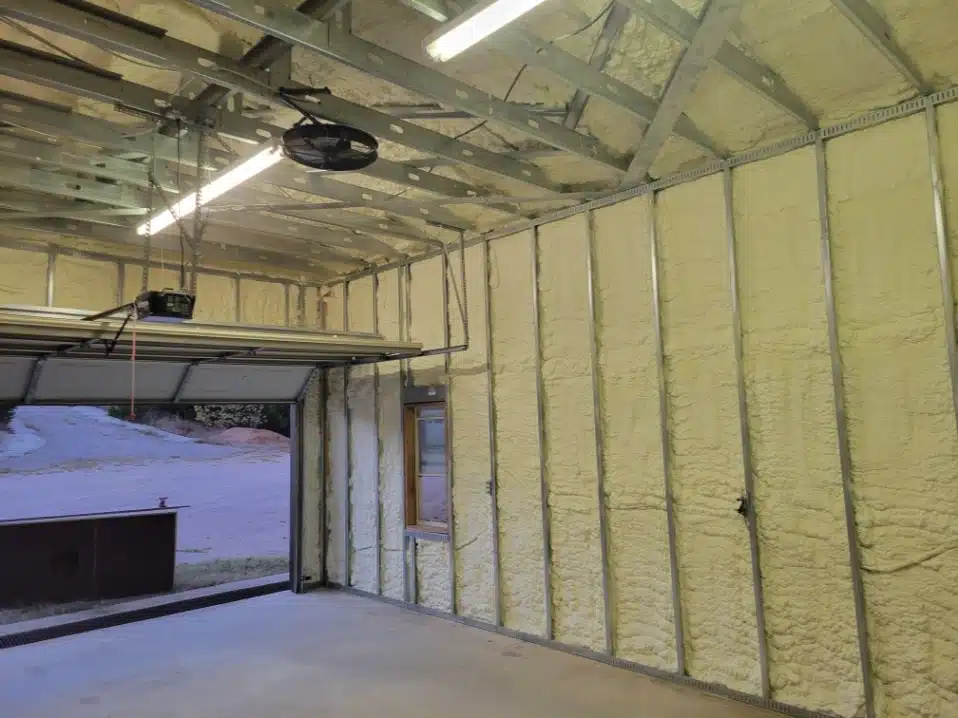
While not a pesticide, spray foam creates a solid barrier that is far more difficult for pests to penetrate than soft fiberglass batting. Rodents and insects often use fiberglass as nesting material.
Upon returning to the home, owners find that the small gaps around pipes and eaves where insects typically enter are now solid foam. It removes the scent trails that pests follow and physically blocks their entry.
Things to Consider Before Making a Decision
While the benefits are clear, there are practical factors to weigh before scheduling an installation.
- Existing Insulation Removal: In many retrofit cases, the old, dirty insulation must be vacuumed out before spray foam can be applied. This adds to the upfront project scope but ensures a clean slate.
- Occupancy During Spraying: You cannot remain in the home during spraying. Off-gassing occurs during the chemical reaction, so plans must be made to vacate the premises for roughly 24 hours, depending on the product used.
- Upfront Investment: The initial cost is higher than that of traditional materials. The return on investment comes through monthly savings and immediate comfort, but the entry price is a factor for many budgets.
Market Data on Home Value
Upgrading to high-performance insulation does more than save money each month; it can also increase resale value. Data from The Appraisal Journal suggests that homes with high-efficiency ratings and green certifications often sell for a premium compared to standard homes. The comfort metrics discussed here are tangible selling points during a walkthrough.
Summary
The decision to upgrade insulation affects more than just the wallet; it fundamentally changes the living experience. Homeowners immediately notice a quieter, more temperature-stable environment, with the HVAC system working less and comfort levels rising. The drafts disappear, and the air quality improves as the home stops breathing in dust from the attic.
Evaluate your current living situation. If you are constantly adjusting the thermostat, hearing excessive street noise, or avoiding certain rooms because they are uncomfortable, these are clear indicators that your current insulation is failing.
Upgrade Your Home Comfort Today
Don’t settle for uncomfortable rooms and high energy bills. Supreme Spray Foam LV helps homeowners transform their living space with high-performance insulation solutions. Our team provides precise installation to ensure you get the maximum benefit from day one.
Contact us to schedule your assessment: Phone: (702) 904-9895 Email: [email protected]
FAQS
How quickly will I see a return on investment?
Most homeowners see a reduction in energy usage on their very first full billing cycle after installation. Depending on current energy rates and the size of the home, the full return on investment typically takes 3 to 5 years, though the comfort increase is immediate.
Can spray foam be applied directly to the roof deck?
Yes, applying foam to the underside of the roof deck is a common practice that brings the attic into the conditioned space. This is excellent for protecting HVAC equipment stored in the attic from extreme temperature swings.
Is open-cell or closed-cell better for residential homes?
For most residential interior applications, especially in attics, open-cell foam is preferred because it is cost-effective and allows for water detection if a roof leak occurs. Closed-cell is better for areas prone to flooding or where structural rigidity is required.
Will spray foam shrink over time?
When applied correctly by professionals, spray foam does not shrink, settle, or degrade like fiberglass. It maintains its shape and R-value for the life of the building.
Sources
- Department of Energy – Official government resource detailing how insulation works and its impact on thermal resistance and comfort.
- Environmental Protection Agency – Information on the impact of air sealing and insulation on heating and cooling efficiency.
- The Appraisal Journal – Research regarding the market value premiums associated with high-performance and energy-efficient homes.