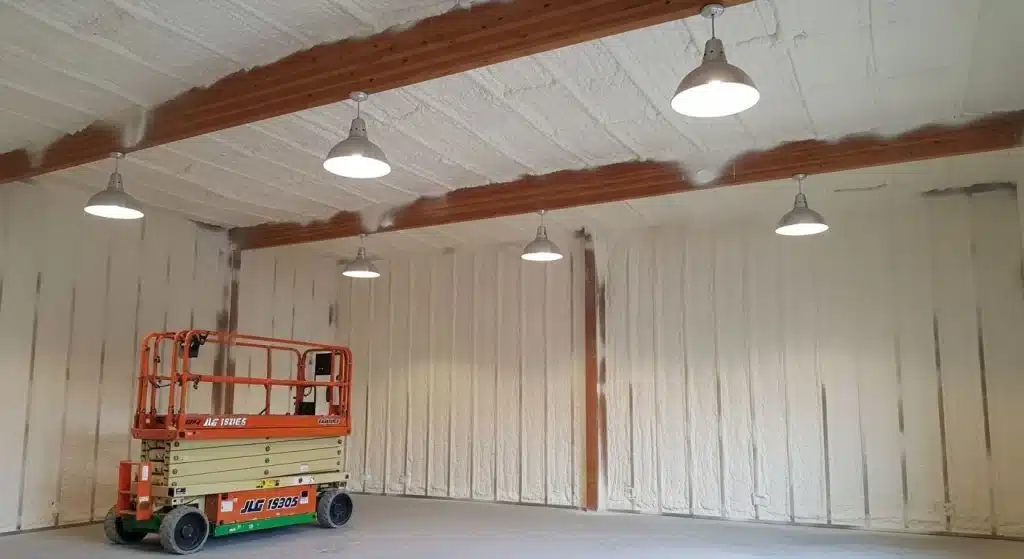

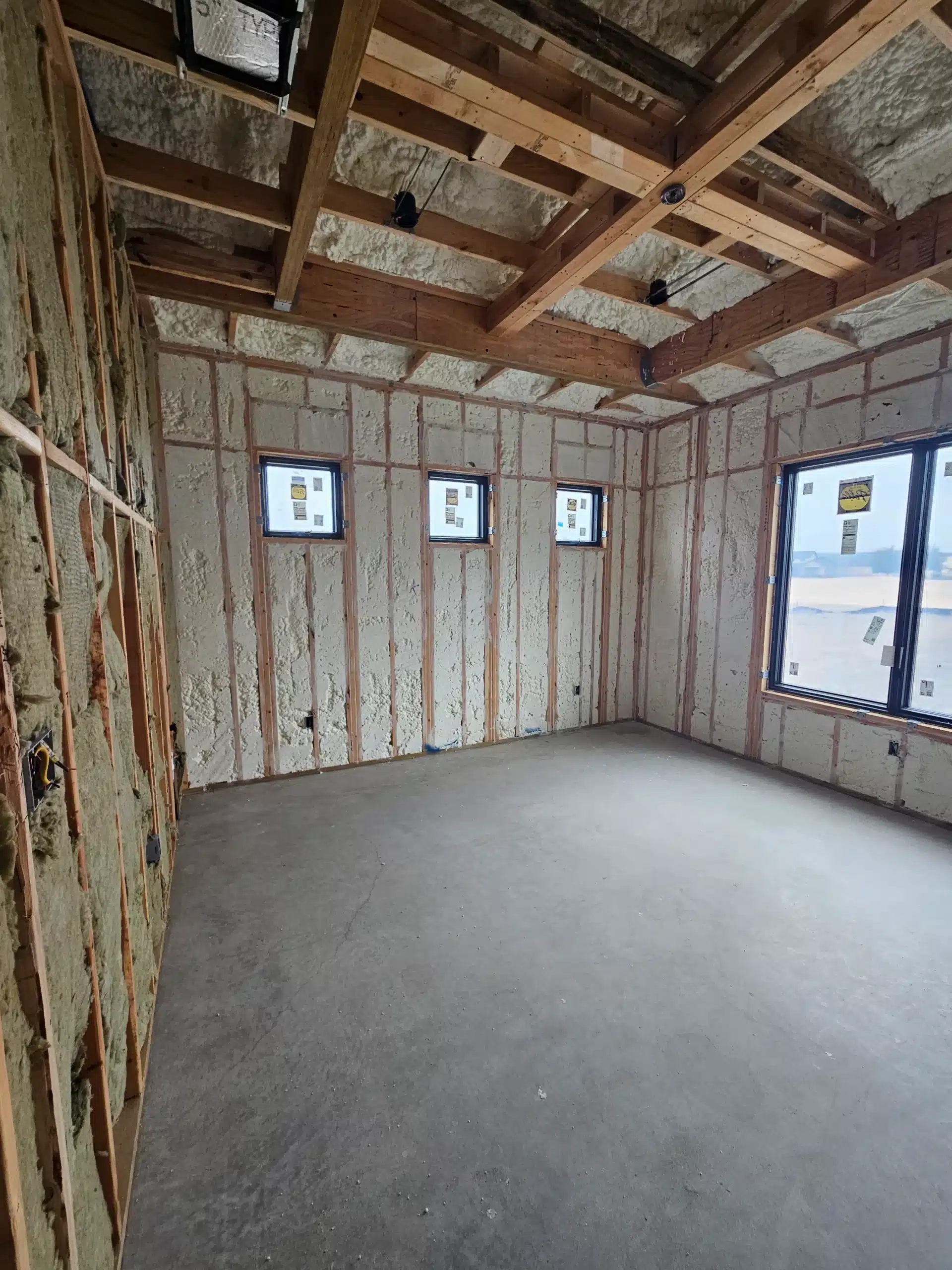
Installing spray foam insulation incorrectly can lead to costly repairs, reduced energy efficiency, and potential health hazards. The most common mistakes include improper surface preparation, incorrect mixing ratios, incorrect thickness, ignoring safety protocols, poor temperature control, inadequate curing time, and missed critical air-sealing opportunities. These errors can compromise the entire insulation system and diminish its performance benefits.
This guide draws from extensive field experience to help you identify and avoid these costly installation mistakes. Understanding these pitfalls before starting your project will save time, money, and ensure your insulation performs as intended for years to come. The spray foam insulation market continues to grow as homeowners recognize its energy-saving benefits, with the global market expected to reach billions by 2027, according to industry reports.
Surface Preparation Errors
Failing to properly prepare surfaces is one of the most common installation mistakes. Surfaces must be clean, dry, and free of dust, grease, or oil contamination. Any debris on the application surface prevents proper adhesion, leading to gaps and reduced insulation effectiveness. Professionals recommend wiping surfaces with a damp cloth and allowing them to dry completely before application.
Another critical preparation error is failing to address moisture issues. Installing spray foam over damp surfaces traps moisture, which can lead to mold growth and material degradation. Always test for moisture problems in walls or crawl spaces before installation, particularly in basements or areas with known water issues.
Bonus Tip: Use a moisture meter to check substrate dryness before application. Readings above 15% moisture content indicate the surface is too wet for spray foam installation.
Temperature Control Problems
Spray foam insulation requires specific temperature conditions for proper application and curing. Many DIY installers make the mistake of applying foam in temperatures outside the recommended range of 60-80°F. Cold temperatures prevent proper expansion, while excessive heat can cause the foam to cure too quickly and become brittle.
The substrate temperature matters just as much as ambient air temperature. Applying foam to cold surfaces, even in warm weather, can create adhesion problems. In colder climates, such as the northern United States, winter installations require additional heating to maintain proper substrate temperature throughout the application and curing processes.
Temperature Impact on Foam Performance
| Temperature Range | Expected Outcome | Issues |
|---|---|---|
| Below 60°F | Poor expansion, weak adhesion | Reduced R-value, gaps |
| 60-80°F | Optimal performance | Best results |
| Above 80°F | Rapid curing, brittleness | Cracking, shrinkage |
Mixing Ratio Mistakes
Two-component spray foam systems require precise mixing ratios for chemical reaction and proper expansion. Many installation errors stem from incorrect ratio settings on the spray rig or inconsistent pressure between components. Even small deviations from the manufacturer’s specified ratio can significantly affect the foam’s physical properties and long-term performance.
The color of the spray pattern provides immediate feedback about mixing quality. A streaky or inconsistent pattern indicates ratio problems. Professionals recommend spraying a test pattern on scrap material before starting the actual application to verify proper mixing and adjust equipment settings as needed.
Bonus Tip: Check the gun temperature regularly during application. Cold guns can cause foaming and inconsistent spray patterns, even with correct ratio settings.
Application Thickness Issues
Applying spray foam too thick or too thin creates performance problems. Open-cell foam typically requires 3-6 inches for optimal R-value, while closed-cell foam needs only 1-2 inches. The mistake of applying closed-cell foam too thickly creates excessive pressure on wall structures and wastes material. Conversely, applying any foam type too thinly fails to achieve the intended thermal performance.
Spraying in multiple passes rather than one thick application produces better results. Each layer should be 1-2 inches maximum, allowing proper expansion before adding the next layer. This technique prevents the foam from generating excessive heat during the exothermic reaction, which can damage building materials in extreme cases.
Safety Protocol Violations
Ignoring safety precautions represents one of the most dangerous mistakes during spray foam installation. Professional installers wear full personal protective equipment (PPE), including respirators with organic vapor cartridges, chemical-resistant gloves, and eye protection. Spray foam chemicals can cause severe skin and respiratory irritation without proper protection.
Ventilation mistakes often occur during installation. Many installers fail to provide adequate airflow, allowing chemical fumes to accumulate to dangerous levels. Proper ventilation requires continuous exhaust fans operating throughout the application and for several hours afterward. The U.S. Environmental Protection Agency provides guidelines for safe spray foam installation that emphasize ventilation and PPE requirements.
Air Sealing Oversights
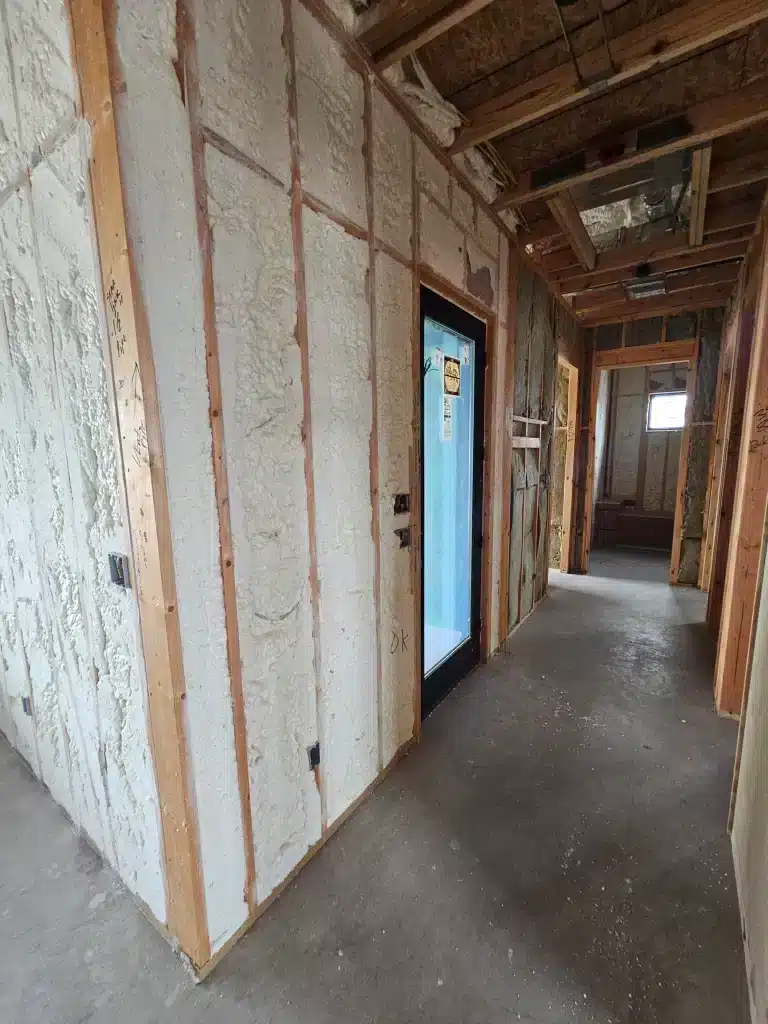
One significant advantage of spray foam is its air sealing properties, yet many installers miss critical opportunities. Focusing solely on insulation value while ignoring air penetration points undermines the material’s dual benefits. Comprehensive air sealing requires meticulous attention to areas around windows, doors, electrical boxes, and plumbing penetrations.
The “box sill” area, where the foundation meets the wood framing, often receives inadequate attention. This area represents a major source of air infiltration in many homes. Proper air sealing here requires complete coverage with no gaps, particularly around plumbing and electrical service entries.
Curing Time Neglect
Rushing the curing process creates long-term performance issues. Spray foam requires 24-72 hours to fully cure, depending on the type, thickness, and environmental conditions. The common mistake of enclosing or covering foam too soon traps gases released during curing, potentially affecting indoor air quality and final foam properties.
Different foam types have varying curing characteristics. Open-cell foam typically cures faster than closed-cell varieties but may require more time to off-gas completely. Following manufacturer recommendations for minimum curing times before closing walls or adding coverings ensures optimal performance and occupant safety.
Things to Consider Before Making a Decision
Assess your project scope honestly. While small, accessible areas might work for DIY installation, entire homes require professional equipment and expertise. Consider the learning curve, equipment rental costs, and potential for expensive mistakes versus professional installation costs.
Climate factors significantly impact installation requirements. Hot, humid climates like the southeastern United States present different challenges than cold, dry regions. Local building codes may specify particular requirements for vapor barriers and insulation types that affect your installation approach.
Budget realistically for proper preparation and safety equipment. Skimping on protective gear or surface-preparation tools creates a false economy.
Final Considerations
Successful spray foam insulation installation requires attention to detail across multiple phases: preparation, application technique, safety protocols, and curing time. Each step builds upon the previous one, and mistakes in early stages compound throughout the project.
The decision between DIY and professional installation depends on project scale, your experience level, and your tolerance for risk. While DIY installation can save money initially, the cost of fixing mistakes often exceeds any initial savings. Small repair projects might suit capable homeowners, but whole-house insulation typically benefits from professional expertise.
Evaluate your specific situation honestly: the complexity of your space, your local climate challenges, and your available time and resources all factor into the best approach for your insulation project.
Get Professional Assessment
Supreme Spray Foam LV offers comprehensive evaluations to determine the right insulation solution for your specific needs. The team can identify potential problem areas and recommend appropriate insulation strategies for your climate and building type. Contact Supreme Spray Foam LV at [email protected] or call (702) 904-9895 to schedule an inspection and discuss your insulation goals. Professional assessment helps ensure optimal performance and avoids the common mistakes that compromise DIY installations.
Frequently Asked Questions
What happens if spray foam gets on skin?
Immediate washing with soap and water is essential. Uncured spray foam bonds strongly to skin and cannot be removed without mechanical abrasion once cured. Always wear chemical-resistant gloves during application.
Can spray foam cause roof problems?
Improperly applied spray foam in roof assemblies can trap moisture and cause wood rot. Closed-cell spray foam is generally recommended for roof applications due to its moisture resistance, but proper ventilation remains critical.
Is spray foam insulation dangerous after curing?
Properly cured spray foam is inert and safe. However, improper installation or inadequate curing can leave residual chemicals that may affect indoor air quality for weeks or months.
How long does spray foam last?
Quality spray foam insulation can last 30+ years without significant degradation when installed correctly. The material is resistant to mold, pests, and settling that commonly affect other insulation types.
Does spray foam need a vapor barrier?
Closed-cell spray foam acts as its own vapor barrier due to its cell structure. Open-cell foam typically requires a separate vapor barrier in colder climates to prevent moisture issues.
Sources
- U.S. Environmental Protection Agency – Official safety guidelines and chemical information for spray foam insulation products
- Spray Polyurethane Foam Alliance – Industry organization providing technical specifications, safety standards, and installation best practices
- Spray Foam Insulation Market – Market research data showing spray foam insulation market growth projections and industry trends