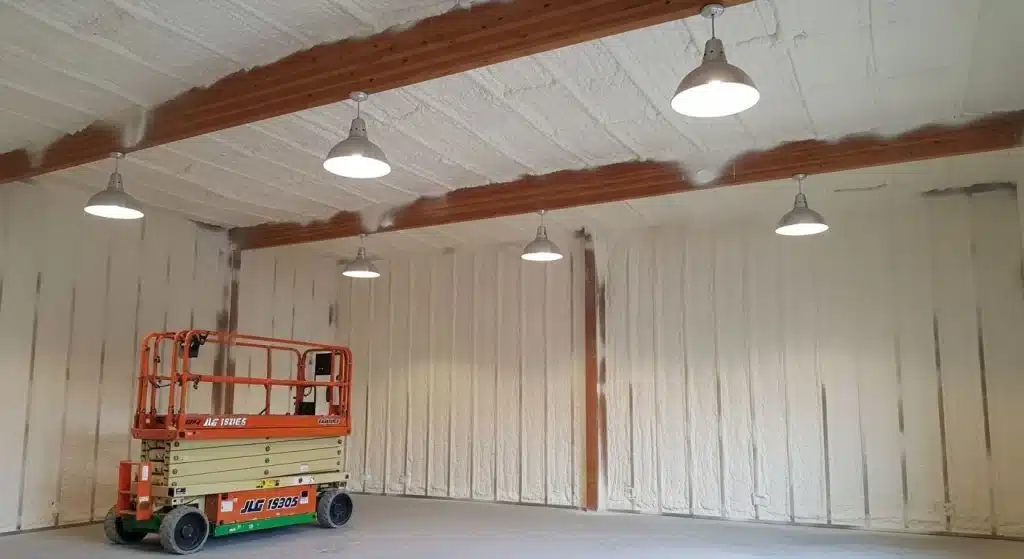


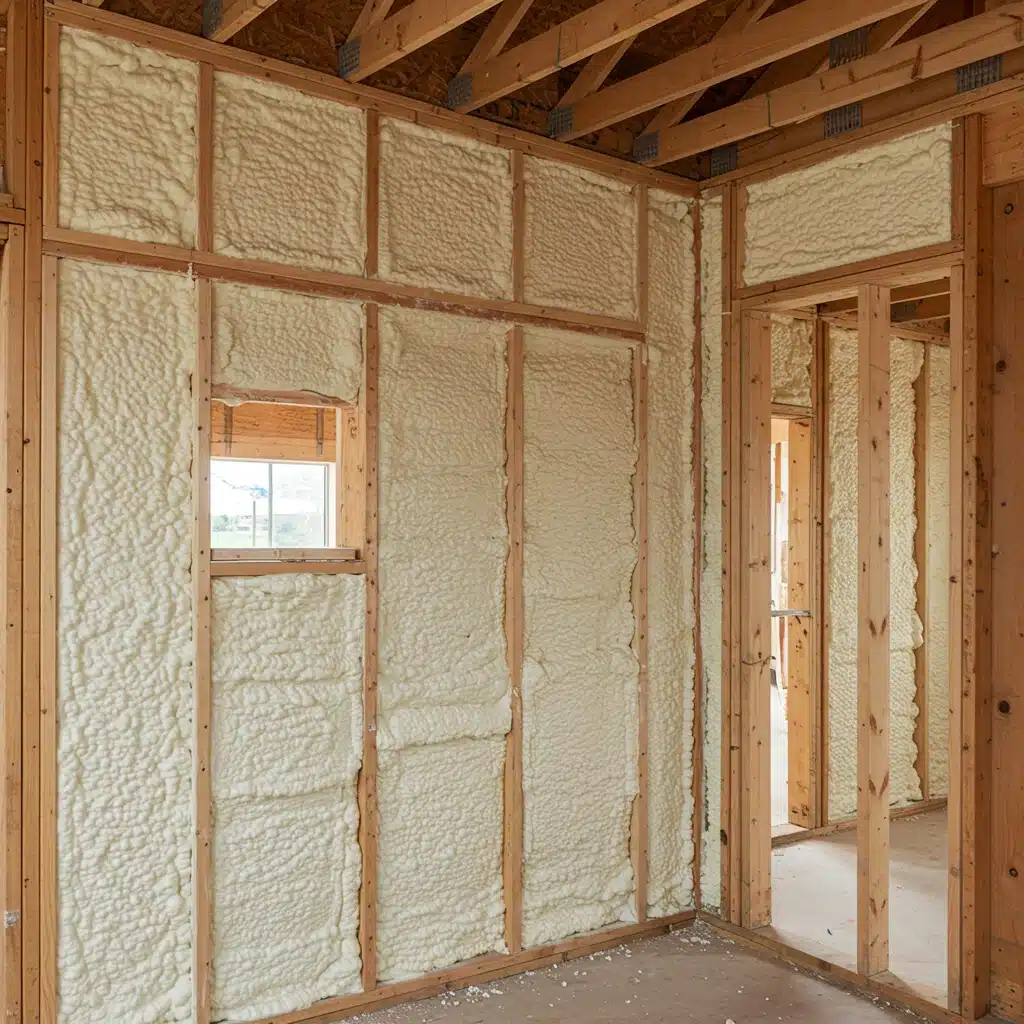
Proper wall insulation stands as one of the most impactful investments you can make in your home’s comfort and energy efficiency. With rising energy costs affecting households nationwide, many homeowners are discovering that inadequate wall insulation leads to uncomfortable temperatures, skyrocketing utility bills, and unnecessary strain on HVAC systems. This comprehensive guide will walk you through everything you need to know about wall insulation installation, from basic principles to advanced techniques, helping you make informed decisions for your property.
Drawing from years of hands-on experience in the insulation industry, this guide addresses the questions homeowners ask most frequently and provides practical insights you won’t find in typical manufacturer brochures. Whether you’re building a new home, renovating an existing property, or simply trying to understand why certain rooms never feel comfortable, you’ll find the answers here. You’ll learn how insulation works, which materials perform best in different situations, how to properly install various insulation types, and how to avoid common mistakes that can compromise your home’s energy efficiency.
Understanding Wall Insulation Fundamentals
Wall insulation serves as a thermal barrier between your living space and the outdoors, but its effectiveness depends on much more than simply filling wall cavities with material. To make the best decisions for your home, you need to understand how insulation functions within the broader building envelope system.
What Is Wall Insulation and Why It Matters
Wall insulation materials work by slowing down the transfer of heat between your home’s interior and exterior spaces. During winter, insulation keeps warm air inside, and during summer, it prevents hot outdoor air from penetrating your walls. This thermal resistance helps maintain consistent indoor temperatures, reducing the workload on your heating and cooling systems.
The impact of proper wall insulation extends beyond comfort. According to the U.S. Environmental Protection Agency, homeowners can save an average of 15% on heating and cooling costs by adding insulation and sealing air leaks. For many households, this translates to hundreds of dollars in annual savings. In fact, energy-efficient insulation upgrades can provide a return on investment of over 100% when factoring in energy savings alone.
How Insulation Works: The Science Behind R-Value
Insulation performance is measured in R-value, which indicates the material’s resistance to heat flow. Higher R-values mean better insulating power. However, R-value requirements vary by climate zone, wall type, and whether you’re insulating new construction or retrofitting existing walls.
The R-value of your entire wall assembly includes more than just the insulation material itself. The complete thermal resistance includes the interior drywall, the insulation material, the exterior sheathing, and even the air films on both wall surfaces. This is why two walls with the same insulation material can have different overall R-values if constructed differently.
Expert Tip: Always consider the whole-wall R-value, not just the insulation’s rated R-value. Gaps, compression, and thermal bridging through framing can reduce real-world performance by 20-30% compared to the laboratory-rated values.
Understanding Heat Transfer Mechanisms
Heat moves through walls in three primary ways:
- Conduction: Direct heat transfer through materials in contact with each other (like through wall studs)
- Convection: Heat transfer through air movement (like warm air rising through wall cavities)
- Radiation: Heat transfer through electromagnetic waves (like sunlight warming exterior walls)
Effective insulation addresses all three transfer mechanisms. Some materials excel at slowing conduction, while others are better at reducing convection or radiation. The best insulation systems often combine different materials to create comprehensive protection against all heat transfer types.
Types of Wall Insulation Materials
Choosing the right insulation material depends on your climate, budget, wall type, and installation constraints. Each material has distinct advantages and limitations that make it suitable for specific applications.
Fiberglass Insulation
Fiberglass remains the most common wall insulation material in North America, favored for its affordability and ease of installation. Available in both batts (pre-cut sections) and loose-fill form, fiberglass consists of extremely fine glass fibers that trap air in tiny pockets, slowing heat transfer.
Fiberglass works best in standard wall cavities without obstructions. It’s relatively easy for DIY installation, though professional installers achieve better results by avoiding gaps and compression. The material is non-combustible and won’t settle significantly over time, maintaining its R-value for decades when properly installed.
However, fiberglass loses insulating power when compressed, and its performance drops dramatically when exposed to moisture. It offers little air-sealing capability on its own, requiring separate air barrier measures for optimal performance.
Spray Foam Insulation
Spray foam insulation has gained significant market share over the past decade, now accounting for approximately 10% of the insulation market. Applied as a liquid that expands and hardens, spray foam provides both insulation and air sealing in one application.
Two types of spray foam are commonly used in walls:
- Open-cell spray foam: Lower density, softer material with R-values around 3.5 per inch. It allows moisture vapor to pass through, making it suitable for interior applications in most climates.
- Closed-cell spray foam: Higher density, rigid material with R-values around 6.5 per inch. It forms an effective vapor barrier and adds structural strength to walls.
Spray foam’s ability to seal air leaks makes it particularly effective for irregular wall cavities, around obstacles, and in retrofit applications where other materials might leave gaps. However, professional installation is essential, as improper application can lead to off-gassing issues and reduced performance.
Cellulose Insulation
Made from recycled paper products treated with fire retardants, cellulose insulation appeals to environmentally conscious homeowners. Typically installed as loose-fill using specialized blowing equipment, cellulose achieves higher R-values than fiberglass in identical cavity depths due to its higher density and smaller fiber size.
Cellulose excels at filling voids and gaps around obstructions, making it ideal for retrofit applications where walls might have wiring, plumbing, or other obstacles. The material’s density also provides effective sound dampening properties, reducing noise transmission between rooms.
The primary drawback is cellulose’s sensitivity to moisture. If it becomes wet, it can compress and lose insulating value, potentially leading to mold issues if not dried thoroughly. Professional installation with proper vapor barriers is crucial for long-term performance.
Rigid Foam Board Insulation
Rigid foam boards come in three main types: expanded polystyrene (EPS), extruded polystyrene (XPS), and polyisocyanurate (polyiso). These boards offer high R-values per inch and provide continuous insulation when installed over wall studs or sheathing.
Rigid foam is particularly valuable for:
- Basement walls
- Exterior insulation over existing sheathing
- Cathedral ceilings and other limited-space applications
- Creating thermal breaks to reduce heat transfer through framing
The main limitation of rigid foam is the need for precise cutting and sealing at joints to avoid thermal bridging. Gaps between boards can significantly reduce overall wall R-value if not properly addressed with tape or spray foam sealant.
Mineral Wool Insulation
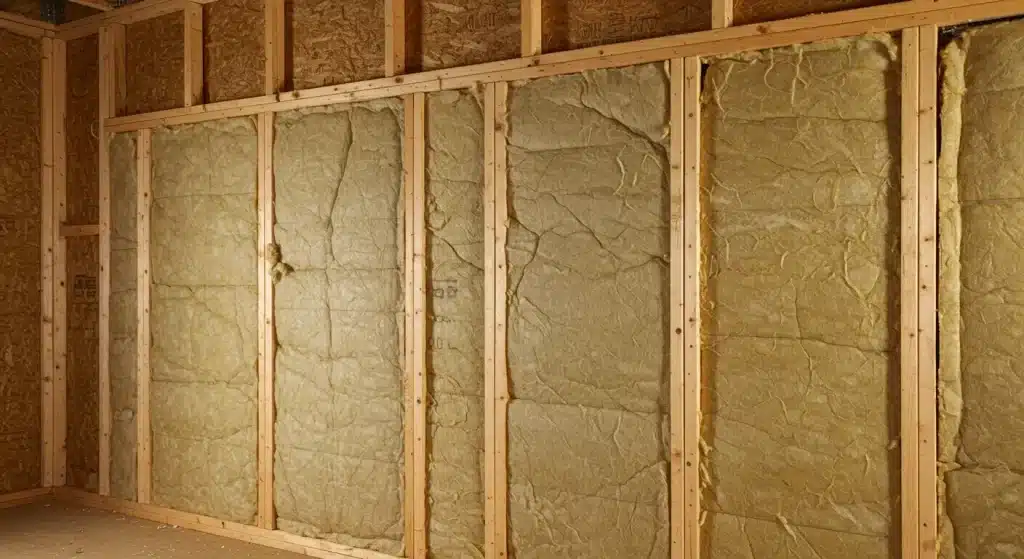
Made from rock or slag fibers, mineral wool offers excellent fire resistance and sound absorption properties. Available in both batts and loose-fill forms, it provides similar R-values to fiberglass but with better performance when exposed to moisture.
Mineral wool is naturally water-resistant and maintains its insulating properties even when damp. Its density also makes it effective at reducing sound transmission, making it popular for home theaters, music rooms, and walls between different living units.
The higher cost compared to fiberglass remains the primary barrier to wider adoption, though many homeowners find the additional fire protection and sound-damping benefits worth the investment.
Comparison of Wall Insulation Materials
| Material | R-Value per Inch | Best Applications | Installation Difficulty |
|---|---|---|---|
| Fiberglass | 2.9-3.8 | Standard wall cavities, new construction | Easy |
| Open-cell Spray Foam | 3.5-3.6 | Irregular cavities, air sealing | Professional only |
| Closed-cell Spray Foam | 6.0-6.5 | Moisture control, high R-value in limited space | Professional only |
| Cellulose | 3.2-3.8 | Retrofit applications, sound control | Professional recommended |
| Rigid Foam | 3.6-8.0 | Continuous insulation, basements | Moderate |
| Mineral Wool | 3.0-3.3 | Fire resistance, sound control | Easy to moderate |
Key Takeaways: The best insulation material depends on your specific situation. For new construction with standard cavities, fiberglass offers good value. For retrofits or when air sealing is a priority, spray foam provides superior performance despite higher costs. Consider factors beyond just R-value, including moisture control, fire resistance, and sound damping when making your decision.
Wall Insulation Installation Methods
The installation method you choose depends heavily on whether you’re working with new construction, renovating an existing home, or addressing specific problem areas. Each approach requires different techniques and considerations for optimal results.
New Construction Installation
When installing insulation in new walls before drywall goes up, you have maximum access to cavity spaces and can ensure complete coverage. This is the ideal scenario for achieving manufacturer-rated R-values and proper air sealing.
The process typically follows this sequence:
- Install electrical wiring and plumbing
- Seal all penetrations through the top and bottom plates
- Install insulation materials
- Add air barrier if required
- Install drywall
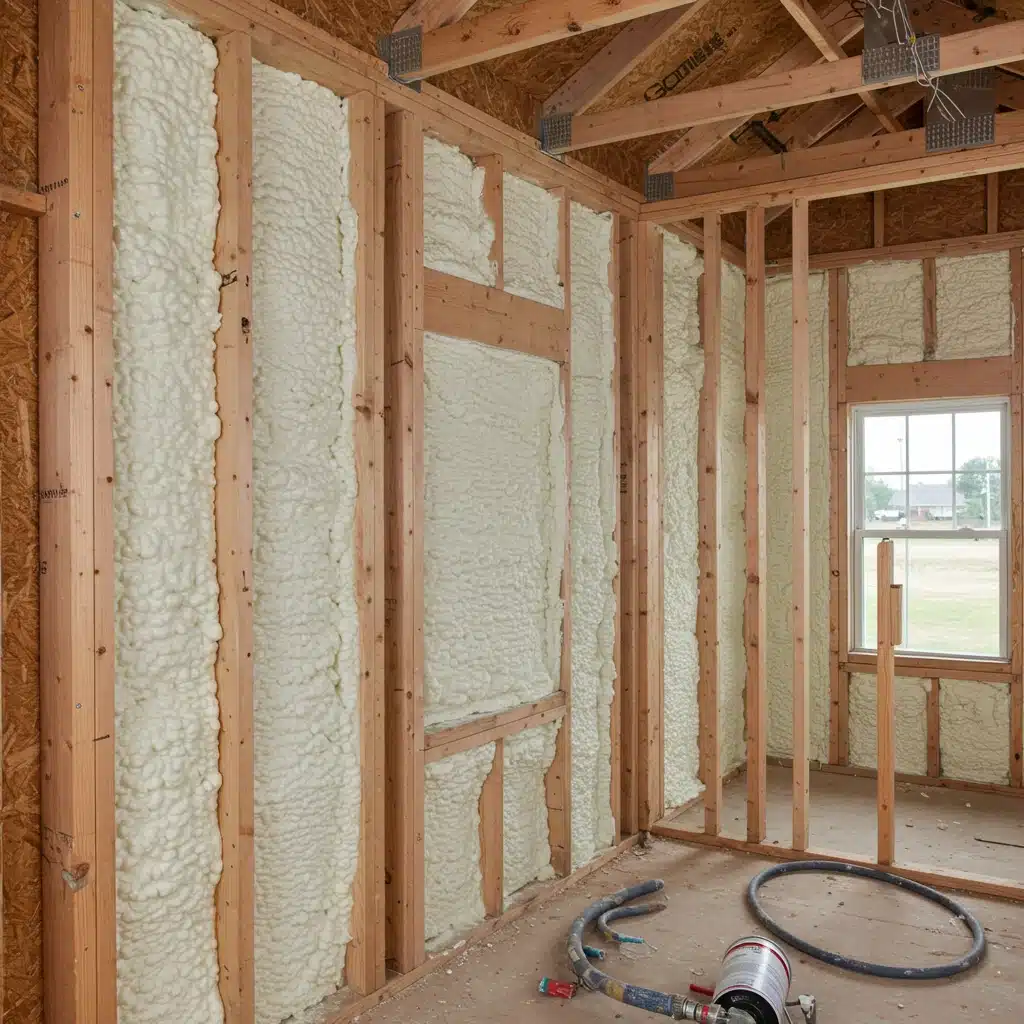
For new construction, spray foam insulation often provides the best overall performance by eliminating air gaps and sealing around obstacles. Supreme Spray Foam LV specializes in new construction installations that maximize energy efficiency from the start.
Retrofit Installation in Existing Walls
Adding insulation to existing walls presents unique challenges since you can’t see into cavity spaces. The most common retrofit methods include:
Drill-and-Fill Method:
- Drill holes in the drywall (typically every 16 inches on center)
- Blow loose-fill insulation into cavities using specialized equipment
- Patch and paint holes
- Best for homes with accessible attics or where exterior siding will be replaced
Exterior Approach:
- Remove exterior siding
- Drill through sheathing into wall cavities
- Install insulation
- Replace siding
- Allows for adding continuous rigid foam insulation under new siding
The drill-and-fill method requires careful calculation to avoid overfilling cavities, which can cause drywall bulging. Professional installers use thermal imaging cameras to verify coverage and identify any voids after installation.
Installing Different Insulation Types
Each insulation material requires specific installation techniques for optimal performance:
Fiberglass Batts:
- Cut carefully to fit snugly around electrical boxes and plumbing
- Friction-fit without compression
- Use Kraft-faced batts with vapor retarder in cold climates
- Staple flanges to face of studs, not inside cavity
Spray Foam:
- Requires professional equipment and training
- Apply in consistent layers to achieve target thickness
- Allow proper expansion time between passes
- Trim excess after curing if needed
Cellulose:
- Requires specialized blowing equipment
- Install to calculated density to prevent settling
- Often combined with netting to hold material in place
- Best left to professional installators
Expert Tip: When installing insulation around electrical boxes, create a “box within a box” using rigid foam or sealed cardboard to maintain continuous insulation coverage while meeting electrical code requirements for box fill.
Vapor Barriers and Air Sealing
Proper vapor barrier management is essential for preventing moisture problems within wall assemblies. The direction of vapor barrier installation depends on your climate:
Cold Climates: Install vapor barrier on warm-in-winter side (interior) Hot-Humid Climates: Install vapor barrier on exterior or use vapor-permeable insulation Mixed Climates: Consult local building codes or use smart vapor retarders
Air sealing works hand-in-hand with insulation for maximum energy efficiency. The U.S. Department of Energy estimates that proper air sealing can reduce energy bills by an average of 15%. Key areas to seal include:
- Top and bottom plates of wall assemblies
- Around windows and doors
- Electrical and plumbing penetrations
- Exterior sheathing joints
Key Takeaways: Installation quality matters more than the insulation material itself. Even the best insulation performs poorly if installed with gaps, compression, or improper vapor barriers. Professional installation typically achieves 20-30% better real-world performance than DIY installation due to attention to these critical details.
Tools and Equipment for Wall Insulation
Having the right tools makes insulation installation faster, safer, and more effective. While basic installations might require minimal equipment, professional-grade tools often justify their cost through improved efficiency and results.
Essential Tools for Basic Installations
For simple fiberglass batt installations, you’ll need:
- Utility knife with extra blades for precise cutting
- Tape measure and straightedge for accurate sizing
- Staple gun for securing faced insulation
- Safety glasses and gloves for personal protection
- Dust mask rated for insulation fibers
- Flashlight for inspecting cavity spaces
Professional-Grade Equipment
For larger projects or different insulation types, specialized tools become necessary:
Insulation Blowers:
- Required for loose-fill cellulose or fiberglass
- Available for rent
- Professional machines provide better material breakdown
Spray Foam Equipment:
- Requires a professional rig with heated hoses and proper ventilation
- DIY kits are available for small projects, but limited in output
Thermal Imaging Cameras:
- Identify missing insulation and air leaks
- Professional models cost
- Increasingly essential for quality verification
Specialized Measuring Tools:
- Depth gauges for cavity measurements
- Moisture meters for assessing existing conditions
- Infrared thermometers for spot checking
Safety Equipment and Considerations
Insulation installation presents several health and safety hazards that require proper protection:
Respiratory Protection:
- N95 masks for fiberglass and mineral wool
- Full-face respirators with organic vapor cartridges for spray foam
- Proper ventilation in all cases
Protective Clothing:
- Long-sleeved shirts and pants
- Gloves appropriate to the material type
- Eye protection at all times
Fall Protection:
- Proper harnesses and anchors for work over 6 feet high
- Guardrails or toeboards for platform work
- Training on proper equipment use
Spray foam installation requires additional safety considerations due to chemical sensitivities and curing fumes. Professionals maintain extensive safety protocols that DIY enthusiasts often underestimate.
Common Challenges and Solutions
Even experienced installers encounter challenges during wall insulation projects. Understanding these common problems and their solutions helps prevent costly mistakes and ensures optimal performance.
Dealing with Obstructions and Irregular Cavities
Real-world walls rarely match the textbook examples in installation guides. Common obstructions include:
Electrical Components:
- Carefully cut insulation around boxes and outlets
- Use low-expansion foam to seal around boxes after insulation
- Maintain proper clearances from heat-producing fixtures
Plumbing and HVAC:
- Use split batts or spray foam around pipes
- Ensure insulation doesn’t compress against heat sources
- Seal penetrations through plates completely
Structural Elements:
- Work around bracing and blocking
- Use smaller insulation pieces for tight spaces
- Consider spray foam for highly obstructed areas
Expert Tip: When working around electrical boxes, first remove the box, install insulation behind it, then create an insulated enclosure around the box before reinstalling. This prevents thermal bridging while maintaining required clearances.
Moisture Management Issues
Moisture problems can render even the best insulation ineffective and lead to serious structural damage. Common moisture-related challenges include:
Improper Vapor Barrier Placement:
- Research local climate requirements
- Use smart vapor retarders in mixed climates
- Never create double vapor barriers
Bulk Water Intrusion:
- Address any roof or foundation leaks before insulating
- Ensure proper exterior drainage
- Use water-resistant insulation in damp-prone areas
Condensation Within Cavities:
- Provide adequate ventilation in assembly design
- Use appropriate insulation density
- Consider exterior insulation in cold climates
A study by the Building Science Corporation found that over 70% of wall assembly failures stem from moisture management issues rather than material defects. Proper assessment of existing conditions before installation prevents most problems.
Achieving Consistent Coverage
Gaps and voids in insulation dramatically reduce the overall wall R-value. Common coverage issues include:
Incomplete Cavity Filling:
- Use thermal imaging to verify coverage
- Pay special attention to corners and junctions
- Consider spray foam for problem areas
Compression of Insulation:
- Never compress fiberglass to fit spaces
- Use an appropriate thickness for cavity depth
- Split batts rather than compressing them
Thermal Bridging Through Framing:
- Add continuous insulation over framing when possible
- Use advanced framing techniques to reduce wood content
- Consider exterior rigid foam applications
Meeting Code Requirements
Modern building codes specify minimum insulation requirements that vary by climate zone. Key code considerations include:
Minimum R-Values:
- Research local requirements for your climate zone
- Often specify different values for above-grade vs. basement walls
- May require higher R-values for energy-efficient programs
Fire Safety Requirements:
- Some insulation types require thermal barriers
- Proper clearance from heat sources is essential
- Fire blocking at cavity penetrations is often required
Air Barrier Requirements:
- Many jurisdictions now require continuous air barriers
- Specific testing procedures may apply
- Documentation is often needed for compliance
Always check with local building officials before starting major insulation projects, as code requirements can vary significantly between jurisdictions.
Measuring Success and Return on Investment
Installing wall insulation represents a significant investment in your home’s comfort and value. Understanding how to measure performance and calculate returns helps you make informed decisions and verify that your project achieved its goals.
Energy Savings Calculations
Estimating potential energy savings helps justify insulation investments and compare different approaches. Key factors include:
Current Energy Bills:
- Establish baseline heating and cooling costs
- Consider seasonal variations
- Account for recent weather patterns
Insulation Improvements:
- Calculate before and after R-values
- Factor in air sealing improvements
- Use climate-specific savings estimates
According to Energy Star, adding insulation and sealing air leaks can save homeowners up to 20% on heating and cooling costs. For homes with high energy bills, this can mean savings of several hundred dollars annually.
A typical payback period for insulation upgrades ranges from 3-7 years, depending on climate, existing insulation levels, and local energy costs. After this payback period, the insulation continues providing pure savings for the life of the material.
Comfort Improvements Beyond Energy
While energy savings provide measurable financial returns, comfort improvements offer equally valuable benefits:
Temperature Consistency:
- Eliminate cold spots and drafts
- Maintain even temperatures between rooms
- Reduce thermostat adjustments
Noise Reduction:
- Denser insulation materials provide sound damping
- Particularly beneficial between living units
- Reduces exterior noise transmission
Moisture Control:
- Proper insulation prevents condensation issues
- Reduces mold and mildew risks
- Protects structural components
Many homeowners report subjective improvements in comfort that they didn’t anticipate, particularly in homes with previously significant temperature variations between floors or rooms.
Professional Assessment and Verification
For large projects or when maximum performance is critical, professional assessment provides valuable verification:
Energy Audits:
- Blower door tests measure air leakage rates
- Infrared thermography identifies insulation gaps
- Combustion safety testing ensures system integrity
Performance Verification:
- Post-installation inspection of insulation quality
- Verification of proper air sealing
- Documentation for energy efficiency programs
Long-Term Value Considerations
Beyond immediate energy savings, proper wall insulation contributes to your home’s long-term value:
Resale Value:
- Energy-efficient homes command premium prices
- Documentation of improvements helps during sales
- Appraisers increasingly value energy efficiency features
Durability:
- Proper insulation protects structural components
- Reduces stress on HVAC systems
- Prevents moisture-related damage
Future-Proofing:
- Positions home for stricter energy codes
- Supports renewable energy system integration
- Maintains comfort as energy costs rise
Market data shows that energy-efficient homes sell for 3-5% more than comparable conventional homes, often exceeding the cost of the efficiency improvements themselves.
Future Trends in Wall Insulation
The insulation industry continues evolving with new materials, technologies, and approaches to improve performance and sustainability. Understanding these trends helps you make forward-thinking decisions for your home.
Advanced Materials and Technologies
Emerging insulation technologies offer improved performance with environmental benefits:
Aerogel Insulation:
- Highest R-value per inch of any material
- Used in space applications, but becoming more affordable
- Ideal for retrofit applications with limited cavity space
Vacuum Insulation Panels:
- Extremely high R-value in minimal thickness
- Still expensive for residential applications
- May become more common as costs decrease
Phase Change Materials:
- Store and release thermal energy as they change states
- Can reduce temperature swings in walls
- Often integrated with conventional insulation
Bio-Based Materials:
- Insulation made from agricultural waste, mushroom mycelium, or other renewable sources
- Lower embodied energy than conventional materials
- Growing market share as technology improves
Smart Insulation Systems
The integration of technology into building systems extends to insulation:
Moisture Sensing Insulation:
- Embedded sensors detect moisture issues early
- Can alert homeowners to potential problems
- Particularly valuable in below-grade applications
Adaptive Insulation:
- Materials that change properties based on temperature or humidity
- Can optimize performance across varying conditions
- Still largely in the research phase
Integrated Insulation-Sheathing Systems:
- Combined products simplify installation
- Ensure continuous insulation coverage
- Reduce thermal bridging through design
Performance-Based Building Codes
Future building codes will likely focus on overall performance rather than prescriptive requirements:
Energy Usage Targets:
- Codes may specify maximum energy usage rather than minimum R-values
- Encourages holistic building design
- Allows innovation in meeting requirements
Thermal Bridging Requirements:
- More attention to heat loss through framing
- Requirements for continuous insulation
- Documentation of assembly performance
Embodied Carbon Considerations:
- Insulation manufacturing emissions may be regulated
- Preference for materials with lower embodied energy
- Life cycle analysis of building components
Sustainability and Circular Economy
Environmental concerns are reshaping insulation manufacturing and use:
Recycled Content Requirements:
- Many manufacturers are increasing recycled percentages
- Some jurisdictions requiring minimum recycled content
- Development of better recycling processes for existing insulation
Carbon-Negative Insulation:
- Materials that sequester more carbon than produced
- Cellulose and some bio-based materials already achieve this
- Growing market for carbon-conscious building materials
Extended Producer Responsibility:
- Manufacturers taking responsibility for end-of-life disposal
- Development of take-back programs
- Designing for easier recycling and reuse
These trends suggest that insulation decisions made today should consider not just immediate performance but also future compatibility and environmental impact.
Putting Your Wall Insulation Strategy into Action
This guide has covered the essential aspects of wall insulation installation, from material selection and installation methods to performance measurement and future trends. The key takeaway is that proper insulation installation represents one of the most effective investments you can make in your home’s comfort, efficiency, and value.
Start by assessing your current insulation situation and identifying your specific goals – whether reducing energy bills, eliminating uncomfortable cold spots, or preparing for future energy efficiency requirements. Consider your budget constraints, but remember that proper installation often matters more than choosing the most expensive material. Small gaps and air leaks can reduce performance by 20-30% regardless of insulation quality.
For most homeowners, professional installation provides the best long-term value despite higher initial costs. Professionals bring specialized tools, knowledge of proper installation techniques, and experience addressing the unexpected challenges found in real-world wall assemblies. The energy savings from proper installation typically offset the difference in cost within a few years.
Use this guide as a reference as you plan your insulation project. Refer back to the material comparison tables when making product decisions, review the installation methods when preparing your space, and use the measuring success section to verify your results after completion. With proper planning and execution, your insulation project will provide comfort and savings for decades to come.
Need Expert Guidance?
Wall insulation installation involves significant technical knowledge and specialized equipment. Supreme Spray Foam LV offers professional consultation and installation services to ensure your insulation project delivers maximum energy savings and comfort. Our team has experience with all insulation types and installation methods, from new construction to complex retrofits. For questions about your specific insulation needs or to schedule an evaluation, contact Supreme Spray Foam LV at [email protected] or call (702) 904-9895.
Frequently Asked Questions About Wall Insulation Installation
What is the best R-value for wall insulation?
The ideal R-value depends on your climate zone and whether you’re building new construction or retrofitting existing walls. The U.S. Department of Energy recommends R-13 to R-21 for most climates in wood-framed walls. However, achieving these values depends on cavity depth – standard 2×4 walls typically accommodate R-13 to R-15, while 2×6 walls can reach R-19 to R-21. For retrofit applications where cavity space is limited, consider adding continuous rigid foam insulation to boost overall R-value without reducing interior space.
Can I install wall insulation myself?
DIY installation is possible for certain types, like fiberglass batts in accessible new construction walls. However, professional installation typically achieves 20-30% better performance due to attention to details like air sealing and avoiding compression. Spray foam insulation always requires professional installation due to specialized equipment and safety considerations. For retrofit projects, professionals have tools like thermal imaging cameras to verify coverage that DIY installers lack access to. The difference in material cost between DIY and professional installation is often offset by the energy savings from proper installation.
How do I know if my walls need more insulation?
Signs of inadequate wall insulation include noticeably cold walls in winter, high energy bills, ice dams on the roof, and difficulty maintaining consistent temperatures between rooms. You can also check existing insulation by removing an electrical outlet cover on an exterior wall (with power off) and looking into the cavity with a flashlight. Professional energy audits with blower door tests and infrared cameras provide the most accurate assessment of insulation needs.
Does wall insulation help with soundproofing?
Yes, many insulation materials provide sound reduction benefits, though effectiveness varies by type. Dense materials like mineral wool and high-density cellulose offer the best sound-damping properties. Fiberglass provides moderate sound reduction, while spray foam offers minimal sound isolation beyond basic air sealing. For optimal soundproofing, consider dedicated acoustic insulation products or double-wall assemblies with decoupling techniques in addition to standard insulation.
How long does wall insulation last?
Most insulation materials maintain their R-value for decades when properly installed and protected from moisture. Fiberglass and mineral wool typically last the lifetime of the building without degradation. Cellulose may settle slightly over many years but maintains most of its insulating value if installed at proper density. Spray foam insulation also lasts indefinitely but may require protection from UV exposure if used in applications where it might be exposed to sunlight. The primary cause of insulation failure isn’t material degradation but moisture damage or improper installation.
Is it worth insulating old walls?
Yes, retrofitting insulation in older homes typically provides excellent returns on investment. Older homes often have little to no wall insulation, so adding insulation can dramatically improve comfort and reduce energy costs. While retrofit installation is more challenging and costly than new construction, the payback period is usually 3-7 years through energy savings alone. Additional benefits include improved comfort, reduced noise transmission, and increased home value. The challenge is finding the right installation method for your specific wall construction – options include drill-and-fill techniques, exterior insulation additions, or removing interior surfaces for access.
Sources
- Energy Star – Energy efficiency information from the U.S. Environmental Protection Agency and Department of Energy
- U.S. Department of Energy – Official energy information and research from the federal government
- Building Science Corporation – Research and consulting on building performance and enclosure systems