

Yes, wall insulation acts as a thermal shield that stops intense desert heat from entering your home. We find that properly insulated walls can lower indoor temperatures by blocking the heat transfer that occurs through your siding and studs. This helps your air conditioner maintain a comfortable climate without working too hard.
Key Takeaways
- Insulation blocks heat from moving through your exterior walls.
- Better thermal barriers result in lower monthly power bills.
- Spray foam seals gaps that let hot desert air leak inside.
How Exterior Walls Impact Indoor Comfort
Your home’s walls are the largest surface area exposed to the sun all day long so walls need modern wall insulation. When the sun beats down on your house, the heat travels through the building materials and radiates into your living space. We see many homes where the walls feel hot to the touch inside because the existing material has failed or settled over time.
The Science of Heat Resistance
Thermal resistance, often called R-value, measures how well a material resists heat flow. According to a guide from Energy.gov, different regions need specific R-values to stay efficient. In a place like Las Vegas, having a high R-value in your walls is the best way to stop the summer sun from turning your house into an oven.
Why R-Value Matters in Nevada
A higher R-value means the material is better at stopping heat. We use materials that provide high resistance in thin spaces to ensure your home stays cool even when it is 110 degrees outside.
Does Adding Insulation Really Lower Cooling Costs?
We hear this question often from homeowners who are tired of high electric bills. The answer is a clear yes because your air conditioner does not have to fight constant heat gain. When heat cannot get in, your cooling system runs less often and for shorter periods.
Most people focus on the attic, but walls are just as important for a complete thermal envelope. We have seen cases where homeowners saved a significant amount on their energy costs just by upgrading the material inside their exterior walls. This change provides a noticeable difference in how often the AC kicks on during the afternoon.
Adding modern materials also helps with air sealing. Traditional batts often leave small gaps where hot air can seep through electrical outlets or baseboards. We prefer methods that fill every corner to create a seamless barrier against the Las Vegas heat.
Compare Common Insulation Types
Choosing the right material depends on your budget and the current state of your home. We look at factors like thermal performance and how well the material blocks air movement.
Material Efficiency Comparison
| Insulation Type | R-Value Per Inch | Air Sealing Capability |
|---|---|---|
| Fiberglass Batts | 2.2 to 2.9 | Low |
| Cellulose | 3.2 to 3.8 | Moderate |
| Open Cell Spray Foam | 3.5 to 3.8 | High |
| Closed Cell Spray Foam | 6.0 to 7.0 | Superior |

Modern Solutions for Desert Heat Protection
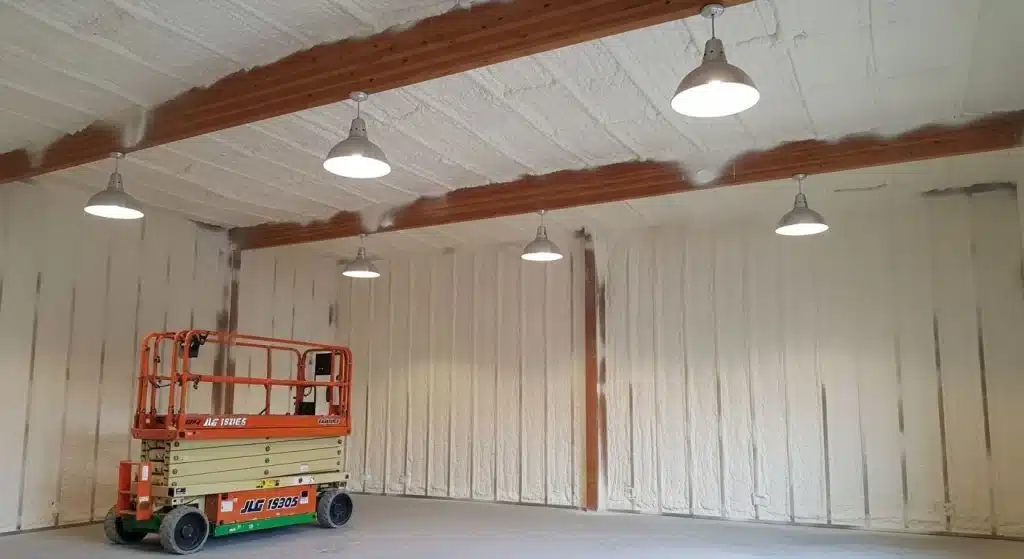
We use advanced spray foam to provide the best protection against the harsh Nevada sun. This material expands to fill the entire wall cavity, which eliminates the air pockets where heat likes to hide. It is a more effective way to manage the climate inside your home compared to older, paper-backed materials.
Using spray foam also helps with moisture control. While Las Vegas is dry, the temperature difference between the hot outside and the cool inside can cause issues. Our foam products manage this transition well while keeping the dust and pollen out of your home.
We focus on creating a tight seal that works for the life of your building. Unlike some materials that sag or lose their shape, spray foam stays in place. This means you get the same cooling benefits ten years from now as you do on the first day.
Seal Small Gaps for Better Performance
Check around your windows and doors when we install your wall insulation. Even a tiny crack can let in enough hot air to raise the temperature of a room. Sealing these small entry points while upgrading your walls creates a much stronger barrier against the heat.
Summer Savings for a Summerlin Ranch
At Supreme Spray Foam LV, we recently helped a client in Summerlin who had uneven temperatures in their west-facing bedrooms. After we applied our specialized foam to their exterior walls, the homeowner reported that those rooms stayed five degrees cooler without adjusting the thermostat. Their July power bill also dropped by nearly 20 percent compared to the previous year.
Staying Cool with Better Wall Barriers
Keeping your home cool requires more than just a good air conditioner. It requires a shell that keeps the cool air in and the desert heat out. We believe that investing in wall insulation is one of the smartest ways to improve your home’s comfort and value.
By choosing high-quality materials and professional installation, you can create a home that feels great all year. We are here to help you identify the best spots for improvement and provide the tools to get the job done right.
Get Better Comfort with Supreme Spray Foam LV
If you are ready to stop the heat from entering your home, we can help. Supreme Spray Foam LV specializes in high-performance solutions that make a real difference in your daily life. Contact us today to see how we can help you save money and stay cool.
Phone: (702) 904-9895 Email: [email protected]
Frequently Asked Questions about Heat and Insulation
Will insulation keep a house cool in summer?
Yes, insulation acts as a barrier that prevents outdoor heat from entering your home. It works just as well in the summer as it does in the winter. By slowing down heat transfer, it allows your air conditioner to maintain a comfortable temperature with less effort.
Does wall insulation help with cooling?
Wall insulation is a major factor in cooling because exterior walls have a large surface area exposed to the sun. Without insulation, these walls absorb heat and radiate it into your living space. Proper insulation stops this process and keeps the interior wall surfaces cool.
Does cavity wall insulation keep a house cool?
Filling the cavities in your walls provides a significant reduction in heat gain. We find that filling these empty spaces stops the convection currents that carry heat from the outer layer of the wall to the inner layer. This is a very effective way to improve comfort.
How do I keep my house cool in 100 degree weather?
The best way is to combine high-quality insulation with air sealing. You should also close your blinds during the day to block solar gain through windows. We recommend checking your attic and wall insulation levels to ensure they meet the standards for the desert climate.
How do you keep your house cooler to save money?
Improving your home’s insulation is one of the most effective ways to save money. By reducing the amount of heat that enters, your AC runs less frequently. Data from the International Association of Certified Home Inspectors indicates that energy-efficient upgrades increase home value and lower monthly costs.
Sources:
- Energy.gov – Official guide on insulation types and R-value requirements.
- International Association of Certified Home Inspectors – Professional resource on home energy efficiency and inspection standards.
- U.S. Department of Energy – Practical advice on sealing and insulating homes for better performance.