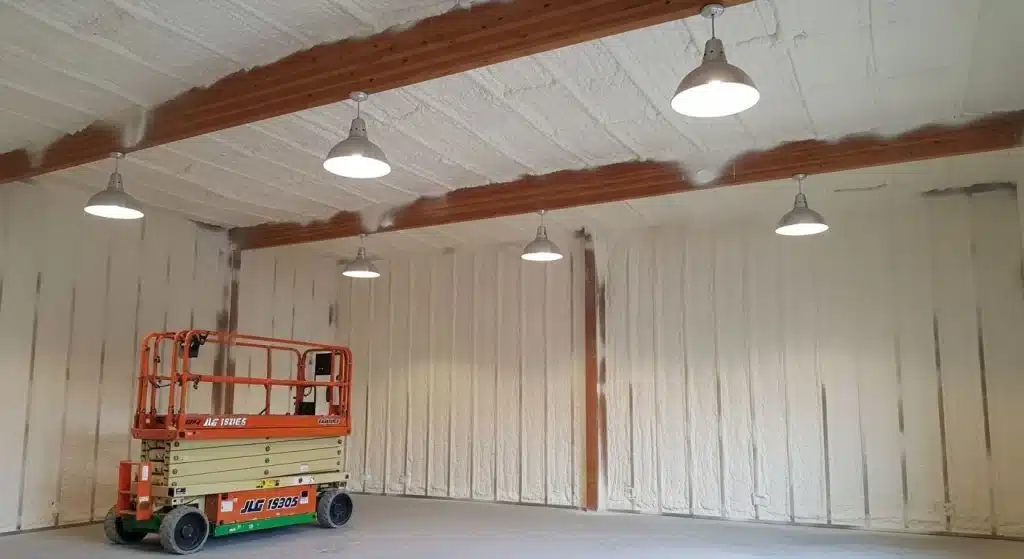

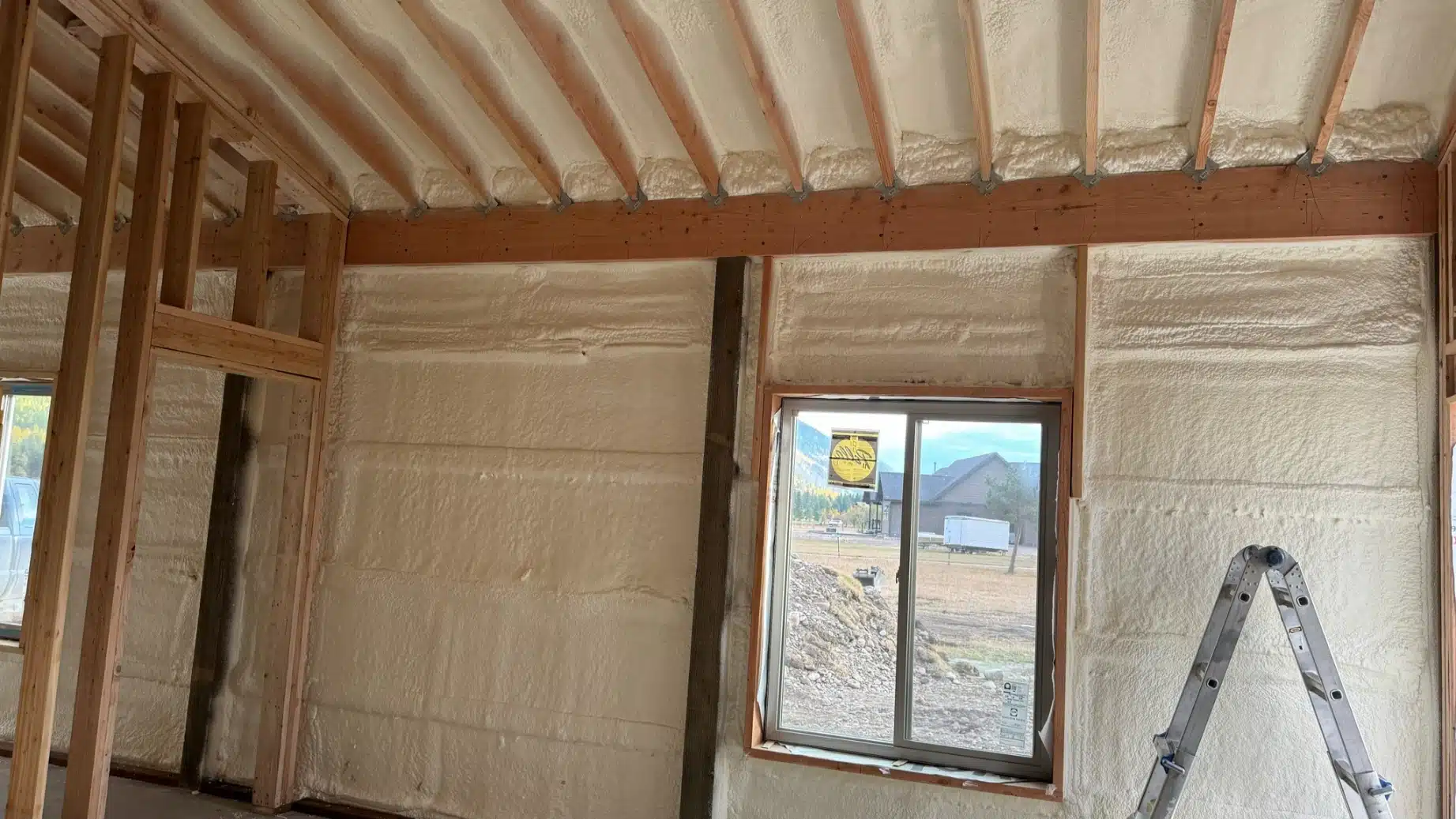
Closed-cell spray foam insulation must meet specific R-value requirements set by building energy codes, typically ranging from R-13 to R-21 in walls and R-30 to R-49 in ceilings, depending on climate zone. These requirements ensure that buildings meet minimum energy-efficiency standards and thermal performance requirements. Understanding these codes helps property owners make informed decisions about insulation materials and installation methods.
Building codes vary by region and climate zone, with stricter requirements in colder areas. The International Energy Conservation Code (IECC) serves as the baseline standard, adopted with modifications by states and local jurisdictions. Supreme Spray Foam LV provides expertise in navigating these complex requirements across different climate zones, ensuring installations meet or exceed minimum standards.
Understanding Energy Code Basics
Energy codes establish minimum standards for building envelope performance, including insulation, air sealing, and thermal resistance. The IECC is updated every 3 years, and most states follow either the 2018 or 2021 version. These codes divide the country into eight climate zones, each with specific R-value requirements for different building assemblies.
Closed-cell spray foam offers unique advantages in meeting these codes due to its high R-value per inch (approximately R-6.5 to R-7) and superior air sealing properties. This means thinner applications can achieve the required thermal performance compared to traditional insulation materials.
Table: Minimum R-Value Requirements by Climate Zone
| Climate Zone | Walls | Ceilings | Floors |
|---|---|---|---|
| 1-2 (Hot) | R-13 | R-30 | R-13 |
| 3-4 (Mixed) | R-13 or R-15 | R-38 | R-19 |
| 5-6 (Cold) | R-20+2ci | R-49 | R-30 |
| 7-8 (Very Cold) | R-20+5ci | R-49 | R-38 |
Note: “ci” stands for continuous insulation
Closed-Cell Spray Foam Specifications
Closed-cell spray foam must meet specific performance criteria to comply with energy codes. The material requires proper certification and testing documentation, including thermal resistance values and flame spread ratings. Installation thickness directly impacts R-value performance, with building officials often requiring documentation to verify code compliance.
According to the Spray Polyurethane Foam Alliance, closed-cell spray foam can achieve up to 40% energy savings compared to traditional insulation methods when installed correctly. This efficiency stems from both its high R-value per inch and its ability to eliminate air leakage, a major source of energy loss in buildings.
Bonus Tip: When calculating R-values for code compliance, always use the manufacturer’s certified thermal performance data rather than general estimates. Different formulations and application conditions can affect actual performance.
Regional and Climate Considerations
Climate zones significantly influence insulation requirements. Hot climate zones focus more on reducing heat gain, while cold zones prioritize preventing heat loss. Local climate conditions may require additional protective measures for spray foam applications, such as vapor barriers in humid regions.
In extreme temperature regions, Supreme Spray Foam LV often recommends increased insulation levels beyond minimum code requirements to optimize energy performance and comfort. This approach provides long-term value through reduced heating and cooling costs despite higher initial installation costs.
Installation Requirements
Proper installation is critical for meeting energy code requirements. Closed-cell spray foam must be applied at specified thicknesses to achieve target R-values. Installers need proper training and certification to ensure consistent application and thermal performance.
Building codes require documentation showing insulation materials meet ASTM standards and fire safety requirements. This includes material safety data sheets, manufacturer specifications, and installation certifications.
Bonus Tip: Always keep detailed records of installation temperatures, substrate conditions, and application thicknesses. These documents help prove compliance during building inspections and support warranty claims.
Compliance and Documentation
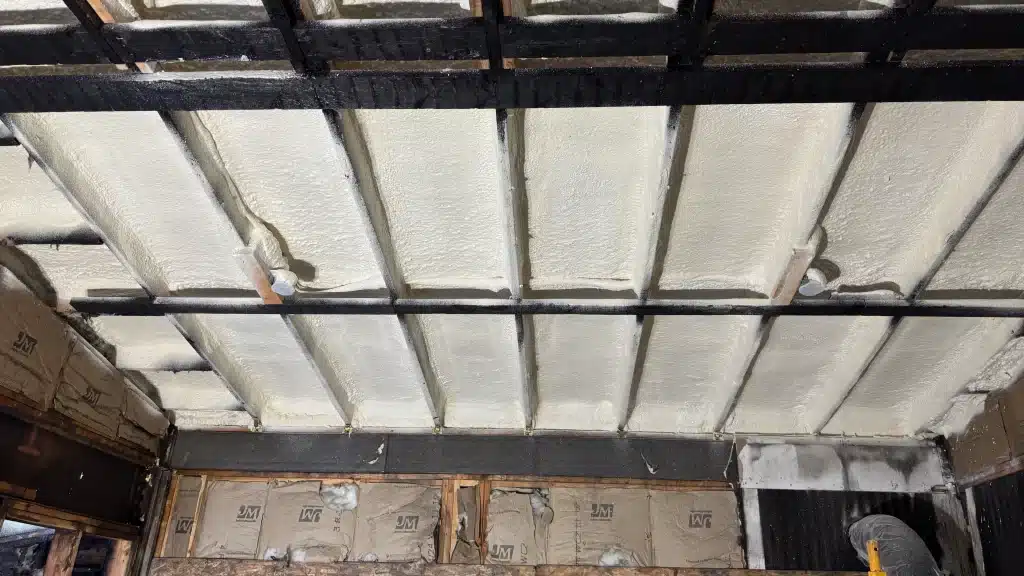
Building officials require specific documentation to verify code compliance for spray foam insulation. This typically includes manufacturer specifications, installation instructions, and sometimes third-party testing results. Some jurisdictions require additional inspections or testing for foam insulation applications.
Documentation should include the material’s R-value rating, flame spread and smoke development indices, and any required vapor permeability ratings. Keeping these records organized prevents delays during final inspections.
Things to Consider Before Making a Decision
Before choosing closed-cell spray foam for a project, consider several factors beyond basic R-value requirements. Building design, location, and occupancy patterns affect optimal insulation levels and installation methods.
Budget constraints often influence material choices, but long-term energy savings should factor into the decision. The higher initial cost of closed-cell spray foam is typically offset by reduced utility bills and improved comfort.
Local building officials may have specific requirements or interpretations of energy codes that affect installation methods. Early consultation with building departments prevents costly rework or code violations.
Bonus Tip: Consider future building use changes when specifying insulation levels. Commercial spaces that might undergo interior renovations benefit from continuous insulation that remains effective even when interior walls are modified.
Final Considerations
Energy codes for closed-cell spray foam insulation vary by climate zone and local jurisdiction, but the material consistently meets or exceeds minimum requirements when properly installed. The combination of high R-value per inch and superior air sealing makes spray foam an efficient choice for meeting energy standards.
Before starting any insulation project, verify specific local code requirements and consult with experienced installers familiar with regional compliance issues. Proper planning and documentation ensure successful project completion while maximizing energy efficiency benefits.
Get Professional Guidance
Supreme Spray Foam LV provides expert guidance on energy code compliance for spray foam insulation projects. Contact the team at [email protected] or call (702) 904-9895 to discuss your specific insulation needs and ensure your project meets all applicable energy code requirements. Professional installation protects your investment and guarantees optimal performance.
Your Questions Answered
Does closed-cell spray foam meet all energy codes?
Yes, when installed at proper thicknesses, closed-cell spray foam meets or exceeds energy code requirements in all climate zones. The high R-value per inch allows for thinner wall assemblies while maintaining thermal performance.
What’s the difference between open-cell and closed-cell foam for code compliance?
Closed-cell foam has higher R-value per inch and lower vapor permeability, making it better for moisture control and space-constrained applications. Open-cell typically requires greater thickness to achieve the same R-value.
Are vapor barriers needed with closed-cell spray foam?
Most closed-cell spray foam applications don’t require additional vapor barriers due to the material’s low permeability rating. However, specific climate conditions may warrant additional moisture protection.
How do building inspectors verify spray foam compliance?
Inspectors typically check installation thickness, manufacturer documentation, and may require invasive testing to verify actual R-values. Proper documentation and installer certification streamline this process.
Can spray foam be installed in existing buildings to meet updated codes?
Yes, spray foam often serves as an effective retrofit solution for improving energy efficiency in existing structures. Installation methods vary based on building construction and accessibility.
Sources
- International Code Council – Organization that develops and publishes the International Energy Conservation Code (IECC) used as the basis for most U.S. building energy codes
- Spray Polyurethane Foam Alliance – Industry organization providing technical data and research on spray foam insulation performance and applications
- U.S. Department of Energy – Federal resource for building energy code information, including climate zone maps and compliance guidelines