
The best insulation Choices for extreme desert temperatures combines high R-values with thermal mass properties and moisture resistance. Closed-cell spray foam and rigid foam boards offer superior performance in desert climates, with fiberglass and cellulose serving as secondary options when properly installed. The right choice depends on your budget, existing structure, and specific temperature fluctuations in your area.
This guide breaks down the science behind desert insulation, compares the top-performing materials, and provides practical installation insights from years of hands-on experience in the Las Vegas Valley. Supreme Spray Foam LV has witnessed firsthand how properly selected insulation can reduce cooling costs by up to 40% in desert homes when installed correctly.
Understanding Desert Climate Challenges
Desert environments present unique insulation challenges distinct from those in other climate zones. The primary issue isn’t just heat, but dramatic temperature swings between day and night. In the Mojave Desert, summer temperatures regularly exceed 110°F during the day but can drop 40-50 degrees after sunset. This constant expansion and contraction puts insulation materials under significant stress.
The low humidity in desert regions also affects insulation performance. While many people assume dry conditions make insulation easier, the reality is that materials must prevent air infiltration without trapping moisture that can’t escape. Additionally, intense UV radiation and seasonal temperature variations from winter freezes to summer extremes require insulation that maintains its structural integrity year-round.
According to data from the U.S. Department of Energy, proper insulation in desert climates can reduce cooling energy consumption by 20-50%, making it one of the most cost-effective upgrades for homeowners in these regions.
Top Insulation Options for Desert Heat
Closed-Cell Spray Foam
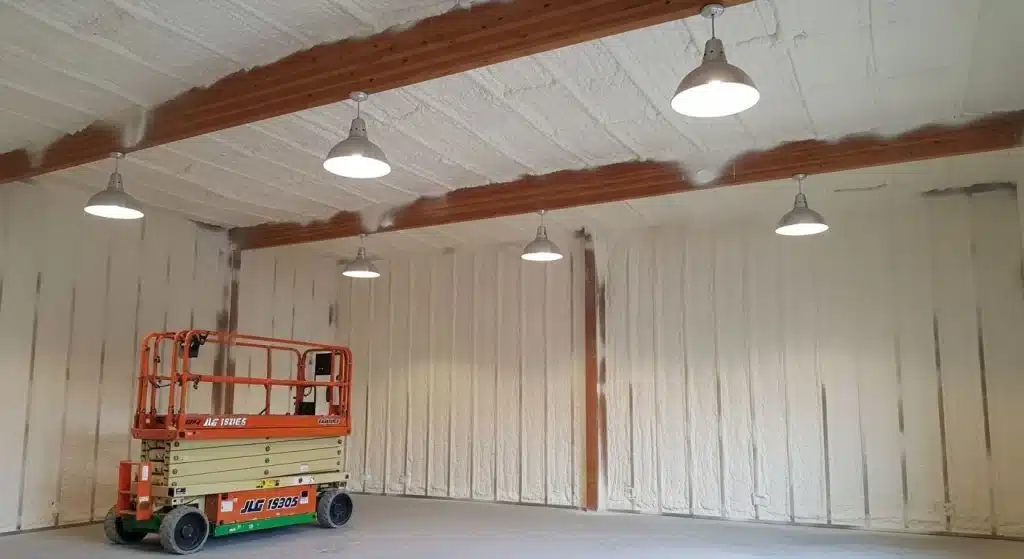
Closed-cell spray foam delivers the highest R-value per inch at approximately R-6.5, making it ideal for desert applications where space is at a premium. Its moisture-resistant properties and air-sealing capabilities create a complete thermal envelope that prevents the hot air penetration common in desert homes. The material’s rigidity also helps maintain structural integrity during temperature fluctuations.
The installation process requires specialized equipment and trained technicians, but the long-term energy savings often justify the initial investment. Closed-cell foam works particularly well in attics, crawl spaces, and wall cavities where air infiltration is problematic.
Bonus Tip: During installation in desert homes, always apply a minimum of 2 inches of closed-cell foam to achieve effective air sealing and vapor barrier properties. Anything less won’t provide the continuous seal needed for desert conditions.
Rigid Foam Board
Rigid foam boards, including extruded polystyrene (XPS) and polyisocyanurate, offer excellent insulation for desert homes with R-values ranging from R-5 to R-6.5 per inch. These boards excel in exterior applications, particularly when used as continuous insulation on walls or under roofing materials. Their moisture resistance and dimensional stability make them well-suited for desert environments.
XPS performs slightly better in moisture resistance, while polyiso typically offers higher initial R-values but may degrade more quickly under extreme UV exposure if not properly protected. Both materials require careful sealing at joints to prevent air gaps that could compromise performance in desert conditions.
High-Density Fiberglass
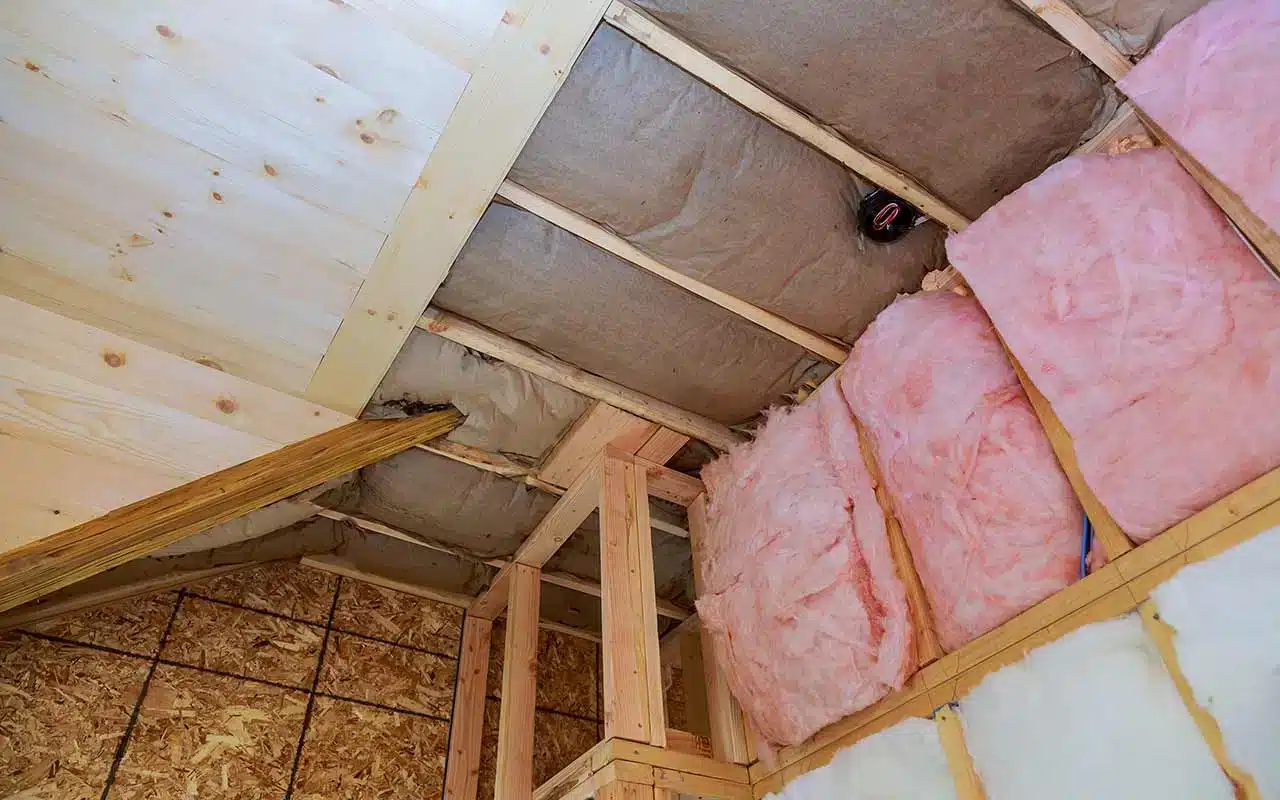
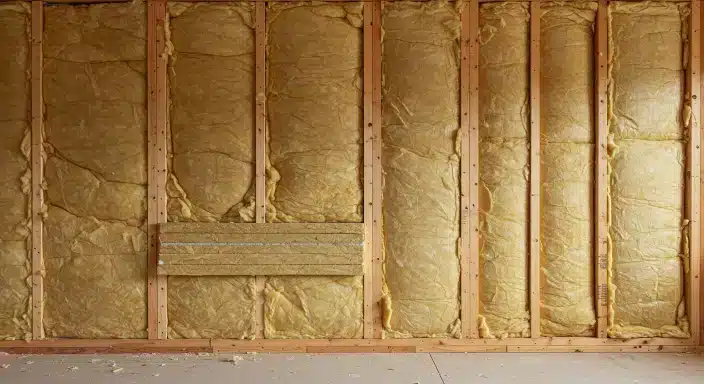
High-density fiberglass has evolved significantly from traditional pink batts. Modern high-density options deliver R-values of R-4+ per inch and perform well in desert applications when properly installed with complete cavity fill and no gaps. The material’s breathability helps prevent moisture accumulation, which is beneficial even in dry desert climates where nighttime cooling can create condensation.
The key to fiberglass performance in deserts is meticulous installation. Any gaps or compression dramatically reduce effectiveness, particularly when trying to block hot air infiltration. For best results, combine high-density fiberglass with proper air sealing using caulk, spray foam, or specialized tapes at all framing connections.
Insulation Performance Comparison
| Insulation Type | R-Value Per Inch | Desert Durability | Moisture Resistance | Air Sealing |
|---|---|---|---|---|
| Closed-Cell Spray Foam | 6.5-7.0 | Excellent | Excellent | Superior |
| Open-Cell Spray Foam | 3.5-4.0 | Good | Poor | Good |
| Rigid Foam Board (XPS) | 5.0-5.5 | Very Good | Excellent | Poor |
| Rigid Foam Board (Polyiso) | 6.0-6.5 | Good | Good | Poor |
| High-Density Fiberglass | 4.0-4.3 | Fair | Fair | None |
| Cellulose (Dense-Packed) | 3.5-3.8 | Fair | Poor | None |
Installation Considerations for Desert Homes
Roof Assembly Requirements
Desert roofs require special attention to insulation placement. Hot roofs, where insulation is applied directly to the underside of roof decking, work well with spray foam but require careful consideration of roofing material compatibility. Cold roofs with insulation at the ceiling level need excellent ventilation to prevent excessive heat buildup in the attic space.
The orientation of your home also affects the insulation strategy. South and west-facing walls absorb the most intense desert sun and may benefit from thicker insulation or additional thermal mass. East and north walls typically require standard insulation levels but still benefit from proper air sealing.
Foundation and Slab Considerations
In desert climates, ground temperatures remain relatively stable compared to air temperatures. Insulating slabs and foundations differently than in colder climates is important. Perimeter slab insulation helps break the thermal bridge between hot exterior ground and interior floors, while full slab insulation may be overkill in many desert applications.
Bonus Tip: When insulating crawl spaces in desert homes, always condition the space rather than venting to the outside. The extreme temperature differences between outside air and crawl space temperatures make vented crawl spaces inefficient in desert climates.
Things to Consider Before Making a Decision
Local Building Codes and Requirements
Desert regions often have specific building code requirements that differ from other climate zones. Many southwestern jurisdictions have adopted special provisions for insulation based on extensive testing of materials under local conditions. Always check with local building authorities before finalizing insulation decisions, as requirements may vary significantly between neighboring desert communities.
Existing Structure Limitations
The construction of your existing home heavily influences insulation choices. Older desert homes with little to no existing insulation may benefit most from spray foam applications that provide both insulation and air sealing. Newer construction with proper air barriers might achieve excellent results with less expensive rigid board or high-density fiberglass systems.
Long-Term Energy Costs vs. Initial Investment
Desert homeowners face significantly higher cooling costs than heating expenses. According to research from the Lawrence Berkeley National Laboratory, homes in hot, dry climates spend approximately 70% of their energy budget on cooling. This makes high-performance insulation a better investment in desert regions compared to mixed or cold climates, where heating costs balance cooling expenses.
Calculate potential energy savings based on your specific utility rates and typical summer consumption. In many desert markets, premium insulation systems pay for themselves within 5-7 years through reduced cooling costs.
Bonus Tip: When adding insulation over existing material in desert attics, always create air channels to maintain proper ventilation from eaves to ridge. This prevents moisture buildup and extends the life of both old and new insulation.
Making the Right Choice for Your Desert Home
Selecting insulation for extreme desert temperatures requires understanding both material science and local climate patterns. The most effective solutions combine high R-values with excellent air sealing properties, moisture resistance, and durability under temperature stress. Consider your home’s specific construction, your budget, and long-term energy goals when making your decision.
Evaluate your current insulation situation, calculate potential energy savings based on your utility bills, and consult with local insulation professionals who understand desert-specific challenges. The right insulation choice will keep your desert home comfortable while significantly reducing energy costs for years to come.
Ready to Upgrade Your Desert Home Insulation
For personalized guidance on insulation solutions that handle extreme desert temperatures, contact Supreme Spray Foam LV at [email protected] or call (702) 904-9895. Their team specializes in desert home insulation systems designed to withstand the harshest temperatures while maximizing energy efficiency and year-round comfort.
Frequently Asked Questions
What’s the most cost-effective insulation for desert homes?
High-density fiberglass typically offers the best initial cost-to-performance ratio for desert homes, especially when installed with meticulous air sealing. However, closed-cell spray foam often provides better long-term value when considering both insulation and air sealing benefits.
How often should desert home insulation be replaced?
Quality insulation properly installed in desert conditions should last 20-30 years or more. Spray foam typically lasts the longest due to its resistance to settling and moisture. Fiberglass may need replacement or upgrading after 15-20 years if it has settled or been damaged.
Can insulation help with desert noise reduction?
Yes, dense insulation materials provide significant sound-dampening benefits. Closed-cell spray foam and high-density fiberglass can reduce outdoor noise transmission by up to 50%, which is valuable in desert communities where sound travels far in dry air.
What’s the biggest insulation mistake in desert homes?
Failing to properly air seal before insulating is the most common and costly mistake. In desert climates, air infiltration can account for 30-40% of cooling load, making air sealing as important as the insulation material itself.
Should I insulate my garage in a desert climate?
Insulating attached garages provides significant benefits in desert homes by creating a buffer zone between extreme outdoor temperatures and living spaces. Uninsulated garages can reach 140°F in summer, transferring heat directly to adjacent living areas.
Sources
- U.S. Department of Energy – Official government resource for energy efficiency information including insulation recommendations by climate zone
- Lawrence Berkeley National Laboratory – Research institution providing scientific data on energy consumption patterns in different climate regions
- International Code Council – Organization that develops building codes including specific requirements for insulation in various climate zones