
The right insulation strategies for a Las Vegas property come down to controlling extreme heat, managing the occasional but intense moisture from monsoon storms, and eliminating the air leaks and thermal bridges that accelerate material degradation. Las Vegas sits in a hot desert climate where summer temperatures routinely exceed 100°F and winter nights can drop into the 20s, a swing that places enormous stress on building materials, HVAC systems, and structural components year after year. According to the National Weather Service, Las Vegas is the driest major metropolitan area in the continental United States, with surrounding mountain ranges that block most Pacific moisture and create conditions where strong winds carrying dust and sand are among the most damaging elements properties face. Climate of Las Vegas. The insulation approach that works depends on whether the priority is stopping radiant heat gain through the roof, sealing the building envelope against dust infiltration, or preventing the condensation and mold that quietly destroy structural materials from the inside out. A comprehensive strategy addresses all three.
TL;DR
- Las Vegas properties face a 70+ degree seasonal temperature swing that accelerates material expansion, contraction, and degradation without proper insulation
- Building damage reports show 12.7% to 14% of property damage is caused by mold, which is directly tied to moisture control that insulation supports
- Air sealing before insulating is essential because air leaks reduce insulation effectiveness and allow dust and humid monsoon air into wall cavities
- Radiant barriers in attics are specifically effective in hot, sunny climates like Las Vegas, reducing cooling costs 5% to 10% and lowering peak AC load
- Properly insulating ductwork prevents condensation damage, a frequent problem when cold indoor air meets hot attic surfaces
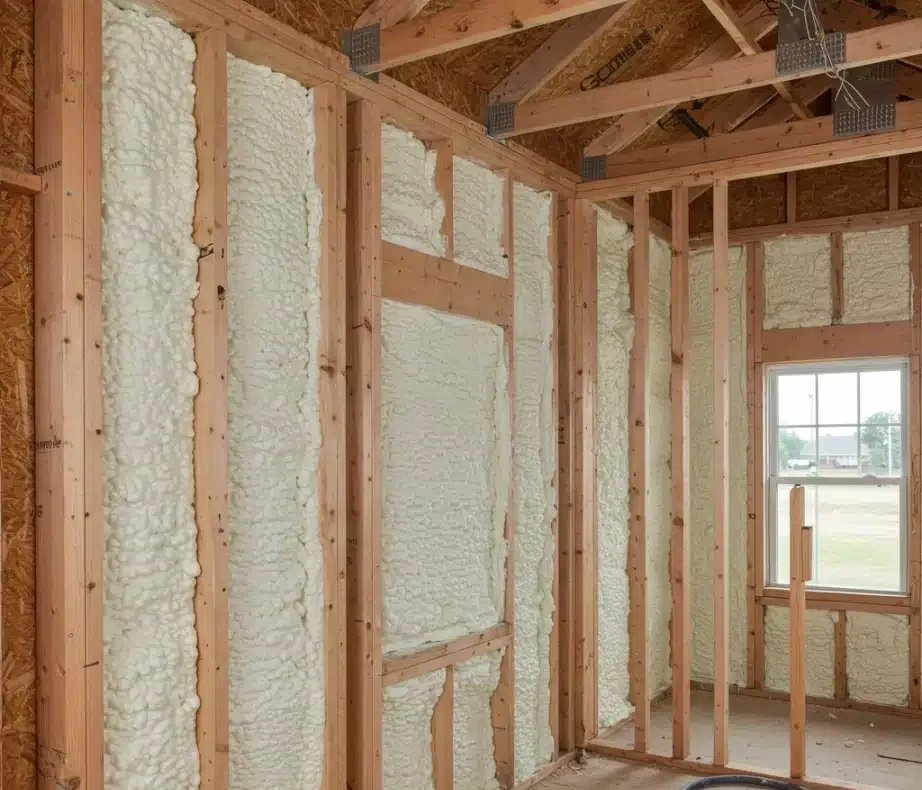
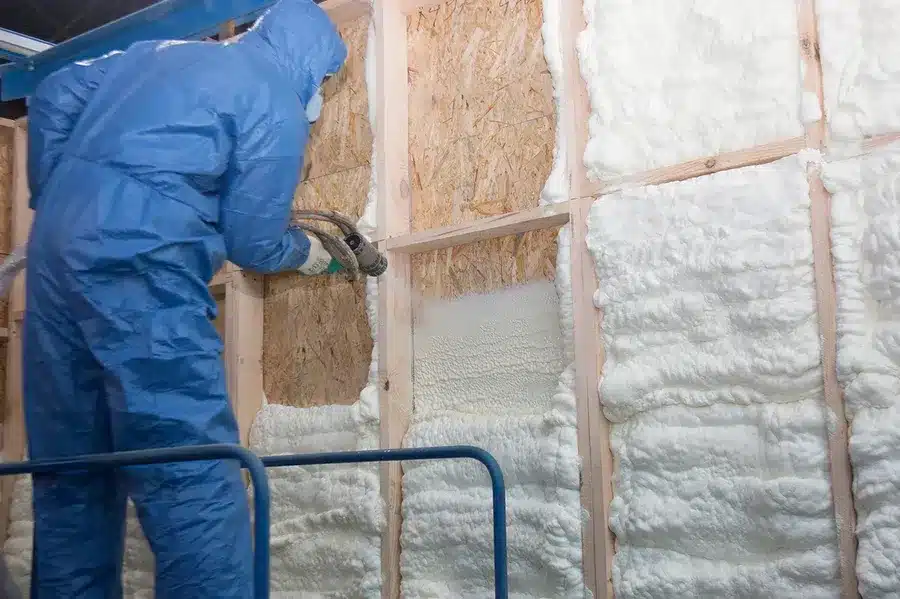
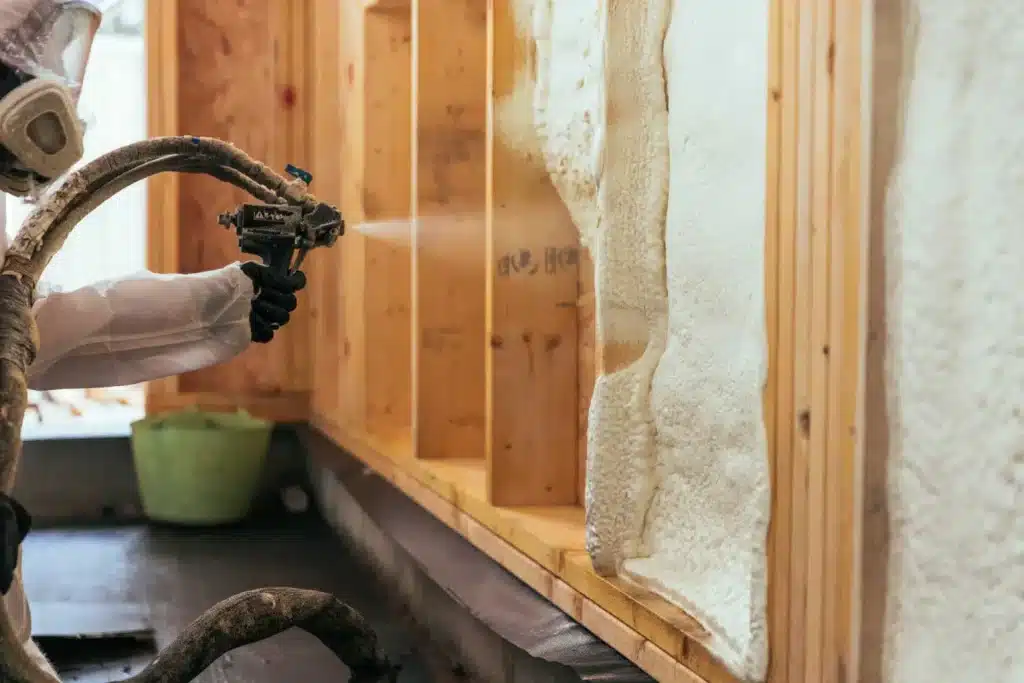
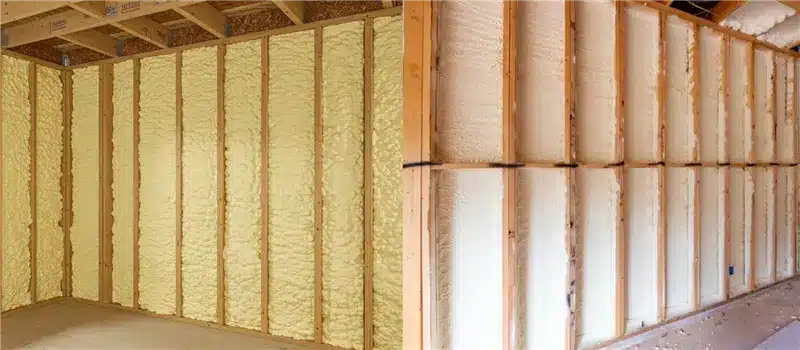
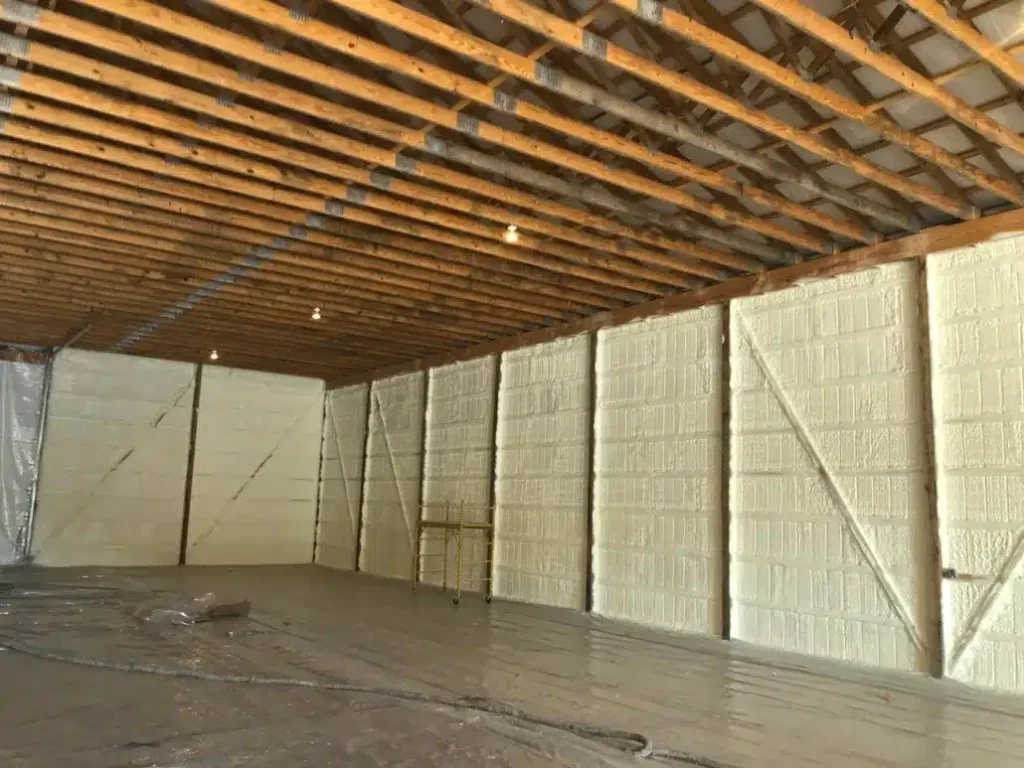
- Spray foam insulation provides air sealing and moisture resistance in a single application, making it well-suited for Las Vegas wall cavities and attics
- Addressing thermal bridges at studs, joists, and framing corners prevents concentrated heat transfer that degrades surrounding materials unevenly
- The EPA recommends indoor relative humidity be kept below 60% to prevent mold growth, a target insulation and air sealing help maintain
Why Las Vegas Climate Demands More Than Basic Insulation
Las Vegas is not just hot. It is a climate of extremes. Summer daytime highs routinely reach into the triple digits, while the coldest winter nights fall into the 20s, with the Spring Mountains and surrounding ranges creating a valley that traps heat and amplifies the urban heat island effect. The monsoon season from July through September introduces sudden spikes in humidity and the potential for flash flooding, which means even in the driest metro area in the continental U.S., moisture events can be severe when they occur. These conditions create two distinct threats to property lifespan. First, the constant thermal cycling causes building materials to expand and contract repeatedly, weakening joints, fasteners, and sealants over time. Second, when monsoon moisture does arrive, it can infiltrate wall cavities and attic spaces where, combined with residual heat, it creates ideal conditions for mold and rot. Building insulation research indicates that sufficient thermal insulation prevents building damage caused by the formation of moisture on the inside of the building envelope, ensuring that surface temperatures stay above the dew point and condensation never forms. In a desert climate where the temperature differential between a hot exterior wall and a cooled interior space can exceed 50 degrees during summer, this condensation risk is real and constant.
Moisture Control: The Hidden Threat to Property Longevity
While Las Vegas is arid most of the year, the monsoon season and the daily operation of air conditioning systems create moisture dynamics that can silently destroy a property from within. The EPA Mold Course Chapter 2: notes that mold can grow on virtually any organic material, including wood, paper, and insulation, as long as moisture and oxygen are present. When warm, humid monsoon air meets the cool surfaces inside an air-conditioned building, condensation forms inside wall cavities, on ductwork, and around window frames. If the building envelope is not properly sealed and insulated, this condensation has nowhere to go and becomes a persistent source of moisture that feeds mold growth. The EPA further reports that molds gradually destroy the materials they grow on, and if a moisture problem goes unaddressed long enough, structural damage is likely to result. The EPA’s Moisture Control Guidance for Building Design, Construction and Maintenance provides building professionals with practical guidance on managing moisture through proper design, material selection, and construction practices, all of which tie directly back to how insulation is specified and installed. Insulation materials like closed-cell spray foam serve a dual purpose in this environment: they provide thermal resistance while also acting as a moisture barrier that prevents condensation from forming inside wall and ceiling assemblies.
Air Sealing and Thermal Bridge Elimination
Air sealing is the foundation of any effective insulation strategy, and it is especially important in Las Vegas where dust storms and wind-driven particulates can infiltrate even tiny gaps in the building envelope. The HUD USER notes that sealing gaps and openings in the building envelope reduces heating and cooling costs, saves energy, reduces air drafts and moisture problems, and improves indoor air quality. Air leaks also allow dust infiltration that settles inside wall cavities and attic insulation, reducing thermal performance over time and contributing to respiratory irritants inside the living space. Air sealing should be completed before adding insulation because the presence of insulation can make leaks difficult to access later, and air movement through insulation drastically reduces its effective R-value. Mastering Home Insulation: Types, Installation, and Energy Savings also requires understanding thermal bridges, which are points in the building envelope where heat flows through materials with low insulating value such as wood studs, metal fasteners, and concrete, representing another often-overlooked threat to property longevity.These concentrated heat transfer points create hot spots on interior surfaces during summer, leading to uneven thermal stress on drywall, paint, and framing. Eliminating thermal bridges through continuous insulation or insulated framing helps distribute thermal loads evenly across the building envelope, reducing localized material fatigue.
Radiant Barriers for Las Vegas Attics
In a climate where solar radiation is the dominant source of heat gain, radiant barriers offer a targeted defense for the most vulnerable part of any Las Vegas property: the roof and attic. According to Wikipedia radiant barrier is a reflective building material that reflects thermal radiation and reduces heat transfer, specifically addressing the radiant heat that travels from a sun-heated roof downward through the attic toward the living spaces below. Research from Oak Ridge National Laboratory has shown that radiant barriers perform well in the hottest climate zones, with the greatest benefits in homes that have air conditioning ductwork located in the attic, a common configuration in Las Vegas construction. The Department of Energy and Natural Resources Canada both note that radiant barriers are not recommended for cold climates, which makes them a particularly good fit for Las Vegas where the primary challenge is keeping heat out rather than retaining it. When combined with adequate bulk insulation on the attic floor, a radiant barrier reduces the temperature of the attic space itself, which in turn reduces the thermal load on ductwork, prevents shingle degradation from below, and extends the service life of any materials or systems stored in the attic.
Insulation Strategy Comparison for Las Vegas Properties
| Strategy | Primary Benefit for Las Vegas | Property Lifespan Impact | Best Application |
|---|---|---|---|
| Closed-cell spray foam | Air sealing + moisture barrier + high R-value | Prevents condensation, mold, and air infiltration in one step | Wall cavities, attic rim joists, crawl spaces |
| Open-cell spray foam | Air sealing + sound dampening | Seals gaps to block dust and reduce thermal cycling stress | Interior walls, attics with proper ventilation |
| Radiant barrier | Reflects solar radiation from roof | Reduces attic temperatures, protects ductwork and roofing materials | Attic rafters, roof decking in new construction |
| Fiberglass batts | Cost-effective thermal resistance | Reduces thermal stress on framing when properly installed | Attic floors, walls during new construction |
| Rigid foam board | Continuous insulation, thermal break | Eliminates thermal bridges at studs and framing | Exterior sheathing, basement walls |
| Air sealing alone | Stops infiltration of dust, hot air, moisture | Prevents material degradation from particulates and hidden condensation | All penetration points, gaps, and seams before insulation |
Strategy Recommendations by Property Type
Older homes (pre-2000 construction): These properties typically have minimal insulation, significant air leaks, and no radiant barrier. Priority one is air sealing all penetrations, followed by upgrading attic insulation to meet or exceed current Climate Zone 3 standards and adding a radiant barrier if ductwork runs through the attic. Wall cavity insulation via spray foam injection should also be evaluated.
Newer homes (2000-2020 construction): These homes generally have adequate code-minimum insulation but often lack continuous air sealing and may have thermal bridging at standard framing. The focus should be on blower-door-tested air sealing, addressing thermal bridges with rigid foam exterior insulation, and verifying that HVAC ductwork is properly sealed and insulated within the attic space.
Commercial properties: Flat roofs, large window expanses, and high internal heat loads from equipment make commercial buildings in Las Vegas especially vulnerable. Continuous insulation on the building exterior, white or reflective roofing, and meticulous air sealing around all roof penetrations and wall openings should be the priority. Radiant barriers can also be effective on commercial roof assemblies.
Properties with crawl spaces: Las Vegas homes with crawl spaces face a specific moisture threat because soil wicks moisture upward through capillary action, and even low ambient humidity can create conditions for condensation on cool ductwork and plumbing. Sealed and conditioned crawl spaces with spray foam insulation on the walls and rim joists prevent this moisture from reaching the structural framing above.
Signs You Have Found the Right Insulation Approach
A quality insulation strategy for a Las Vegas property should show several clear indicators. The provider should conduct a thorough assessment of the existing building envelope before recommending any specific material or technique, including identifying air leakage points, evaluating existing insulation levels, and assessing ductwork conditions. They should explain how each recommended action addresses a specific threat, whether that is radiant heat gain, air infiltration, moisture intrusion, or thermal bridging, rather than offering a one-size-fits-all solution. The proposal should account for Las Vegas-specific factors like monsoon moisture, dust infiltration, and extreme thermal cycling. Communication should be direct, with clear timelines, material specifications, and expected performance outcomes. A trustworthy provider will also discuss ventilation requirements alongside insulation, because in a hot climate, sealing the building envelope without maintaining adequate ventilation can create new moisture and air quality problems. Finally, the right approach will prioritize long-term material protection and property durability, not just short-term energy savings.
Ready to Protect Your Las Vegas Property
Supreme Spray Foam LV specializes in insulation solutions designed for the specific demands of the Las Vegas climate. Our team evaluates every property’s unique conditions and recommends strategies that protect against extreme heat, moisture damage, and air infiltration to extend the life of your building. Whether your property needs air sealing, spray foam insulation, or a full envelope assessment, we deliver lasting results.
Reach us at (702) 904-9895 or [email protected] to get started.
Frequently Asked Questions
How does the Las Vegas monsoon season affect insulation decisions?
Monsoon humidity increases condensation risk inside wall cavities and attics, making air sealing and moisture-resistant insulation like closed-cell spray foam especially important for preventing hidden mold growth.
Can insulation really extend the life of my roof?
Proper attic insulation and radiant barriers reduce attic temperatures significantly, which decreases thermal stress on roofing materials and can slow shingle deterioration caused by excessive heat from below.
Is radiant barrier worth adding to an existing Las Vegas home?
In hot, sunny climates like Las Vegas, radiant barriers can reduce cooling costs and lower peak AC demand, with the greatest benefit in homes that have ductwork running through the attic space.
Why is air sealing recommended before adding insulation?
Air leaks reduce the effective R-value of insulation, allow dust infiltration, and create pathways for humid air that leads to condensation, all of which undermine both insulation performance and building material longevity.
How do I know if my current insulation is causing hidden damage?
Signs include inconsistent indoor temperatures, musty odors, visible mold on ceilings or walls near exterior surfaces, higher-than-expected energy bills, and peeling paint or warping near windows and exterior walls.
Sources
- Climate of Las Vegas – National Weather Service – Official NOAA climate summary covering temperature extremes, monsoon patterns, wind events, and precipitation characteristics of the Las Vegas Valley.
- EPA Mold Course Chapter 2: Why and Where Mold Grows – EPA guidance on how mold damages building materials, the role of moisture and humidity, and condensation risks in building assemblies.
- Building Insulation – Wikipedia – Comprehensive reference on insulation types, thermal performance in hot climates, radiant barrier effectiveness, and the role of thermal bridges in building envelopes.
- Insulation and Air Sealing – HUD USER – U.S. Department of Housing and Urban Development guidance on how proper insulation and air sealing reduce energy costs and prevent moisture and air quality problems.
- Radiant Barrier – Wikipedia – Reference on radiant barrier performance in hot climates, ORNL research findings, and DOE recommendations for radiant barrier installation and effectiveness.