
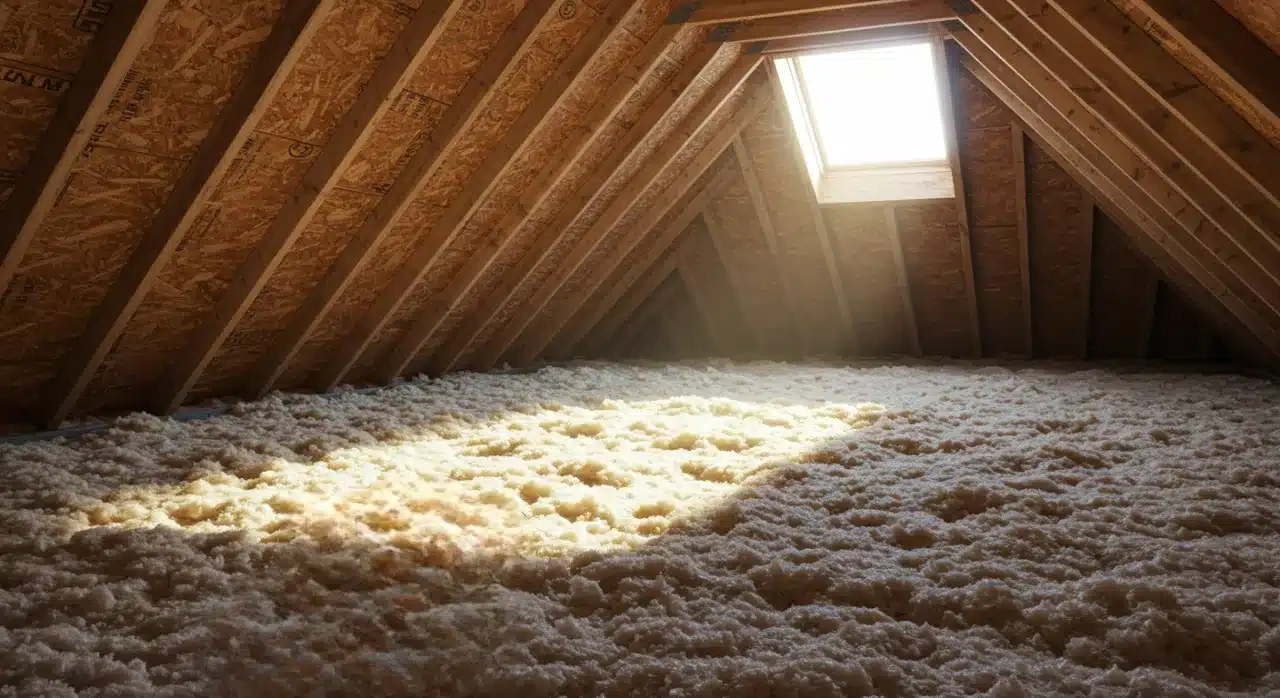
Attic insulation works by slowing the three modes of heat transfer, conduction, convection, and radiation, through the largest surface of your home’s building envelope. During extreme heat, it prevents the sun’s radiant energy from forcing indoor temperatures upward, and during extreme cold, it keeps heated indoor air from escaping through the ceiling. The right attic insulation strategy depends on your climate zone, the existing insulation condition, the type of insulation material used, and whether air sealing has been performed alongside the insulation upgrade. Below, we break down exactly how attic insulation affects indoor comfort during temperature extremes and what you need to know to make informed decisions for your home.
TL;DR
- The EPA estimates that homeowners can save an average of 15% on heating and cooling costs by air sealing and adding attic insulation, with up to 11% savings on total energy costs.
- Research from Lawrence Berkeley National Laboratory shows that office work performance is maximized at approximately 71°F, meaning maintaining stable indoor temperatures directly impacts daily productivity and well-being.
- Nine out of ten homes in the U.S. are under-insulated, making attic insulation upgrades one of the most widely applicable improvements available.
- R-value measures thermal resistance, with higher values providing greater protection against temperature extremes, and R-values are additive across multiple insulation layers.
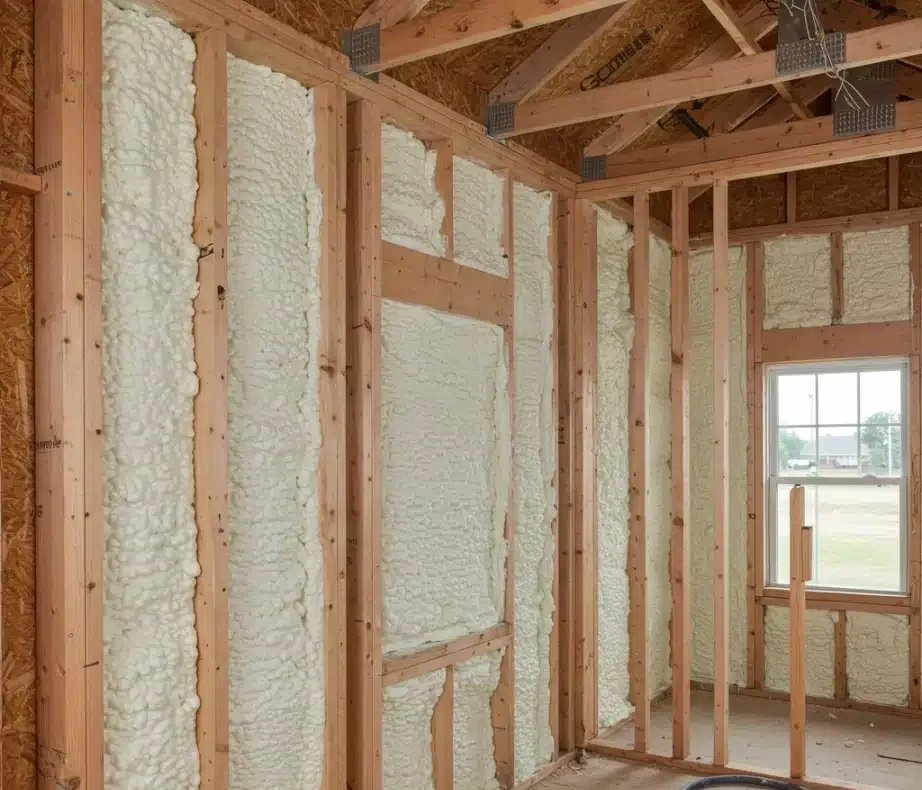
- Spray foam insulation simultaneously seals air leaks and insulates, offering superior performance in both extreme heat and cold compared to traditional batt insulation alone.
- In Las Vegas and similar hot, dry climates (ASHRAE Zone 3B), proper attic insulation is especially critical for resisting radiant heat gain through the roof during summer months.
- A well-insulated attic also improves humidity control, reduces noise from outside, and lowers the chance of ice dams in colder climates.
How Heat Transfer Through the Attic Affects Your Home
Heat moves through your home in three ways, and the attic is the primary battleground for all three:
- Conduction: Direct transfer of heat through solid materials like drywall and wood framing. In an uninsulated attic, heat flows freely between your living space and the outside through the ceiling.
- Convection: The movement of heated air. Warm air rises and will escape through any gaps in your attic, while cold air gets pulled in from lower parts of the house to replace it. This is known as the stack effect.
- Radiation: Heat energy transferred through electromagnetic waves. During summer, the sun heats your roof surface to extreme temperatures, and that radiant energy pushes downward into your attic and through the ceiling into your home.
The R-value is the standard measure of how effectively a material resists conductive heat flow. According to Wikipedia’s reference on thermal insulation, the higher the R-value, the better a material insulates, and R-values are additive across layers. However, R-value primarily addresses conduction, while convection and radiation also play significant roles. In hot climates, radiant heat gain through the roof is often the dominant source of unwanted heating, which is why the type of insulation and whether it includes a radiant barrier matters.
Why the Attic Is the Most Critical Area to Insulate
The attic covers the single largest surface area of your home’s building envelope. In a typical 2,000-square-foot house, the attic ceiling may represent 1,500 square feet or more of exposed surface. Without adequate insulation, this massive area becomes a highway for heat exchange with the outside.
According to ENERGY STAR, a well-sealed and insulated attic can reduce average heating and cooling costs by 15% on heating and cooling alone. The same source notes that a typical home’s cumulative air leaks and gaps are equivalent to leaving a window open year-round. This constant exchange of conditioned air with unconditioned attic air makes the attic the highest-priority target for insulation work.
Beyond energy savings, the EPA’s ENERGY STAR program documents that attic insulation provides measurable comfort improvements including better humidity control, reduced noise infiltration, fewer drafts, and less entry of pollen, dust, and insects. In regions that experience freezing winters, proper attic insulation also reduces the formation of ice dams along roof edges.
Performance in Extreme Heat: What Happens Without Proper Insulation
In extreme heat conditions, particularly in hot and dry climates like Las Vegas, the roof surface can reach temperatures well above 150°F on a summer afternoon. Without adequate attic insulation, that heat energy radiates downward through the ceiling, forcing your HVAC system to work harder to maintain comfortable indoor temperatures.
Key problems caused by under-insulated attics during extreme heat:
- Uneven temperatures between rooms, especially between the first floor and upper levels
- HVAC equipment running continuously without reaching the thermostat setpoint
- Hot ceilings that radiate warmth back into living spaces even at night
- Higher humidity levels from moisture migrating through the building envelope
Properly installed attic insulation with a high R-value creates a thermal barrier that significantly slows the rate at which outdoor heat penetrates the living space. When combined with air sealing to eliminate gaps around recessed lights, plumbing penetrations, and ductwork, the result is a home that stays cooler with far less mechanical cooling effort.
Performance in Extreme Cold: Retaining Heat When It Matters Most
During extreme cold, the physics reverse but the principle remains the same. Heated indoor air naturally rises toward the ceiling. If the attic lacks sufficient insulation, that warm air passes through the ceiling assembly into the attic space and is lost to the outside. Cold air simultaneously infiltrates from lower levels of the home.
A properly insulated attic in cold conditions delivers several benefits:
- Maintains consistent temperatures from floor to ceiling within each room
- Reduces the frequency and duration of furnace cycling
- Prevents condensation from forming inside the attic when warm indoor air meets cold surfaces
- Protects ductwork and plumbing that runs through attic spaces from freezing
The Wikipedia article on R-value notes that the total R-value of a building assembly is calculated by adding the R-values of each individual layer, from the interior air film through the drywall, insulation, sheathing, and exterior air film. This means that adding attic insulation directly increases the total thermal resistance of your ceiling assembly in a predictable, measurable way.
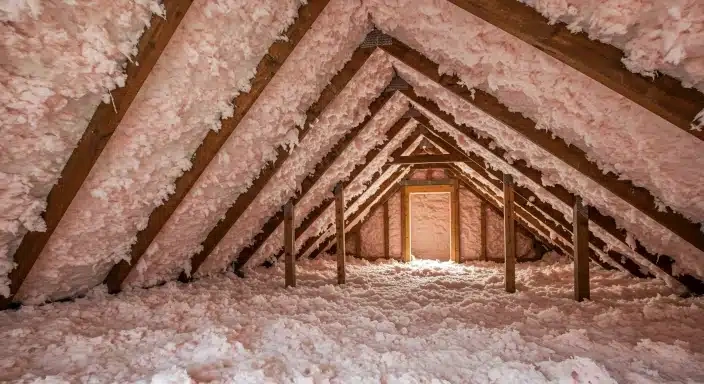
Insulation Types and Their Effectiveness in Extreme Conditions
Not all insulation materials perform the same way, especially when dealing with the temperature extremes common in desert and mountain climates. The table below compares common attic insulation approaches:
| Insulation Type | Best For | Heat Transfer Addressed | R-Value Per Inch | Key Limitation |
|---|---|---|---|---|
| Closed-cell spray foam | Extreme heat and cold, air sealing | Conduction, convection, radiation | 5.5 to 6.5 | Higher material cost |
| Open-cell spray foam | Moderate climates, sound dampening | Conduction, convection | 3.6 to 3.7 | Lower R-value per inch than closed-cell |
| Fiberglass batts | Budget-friendly retrofits | Conduction, some radiation | 3.1 to 4.3 | Does not seal air leaks |
| Blown fiberglass | Irregular attic geometries | Conduction, some radiation | 2.5 to 3.7 | Can settle over time, reducing R-value |
| Cellulose blown-in | Eco-friendly upgrades | Conduction, convection | 3.0 to 3.8 | Can absorb moisture if not properly installed |
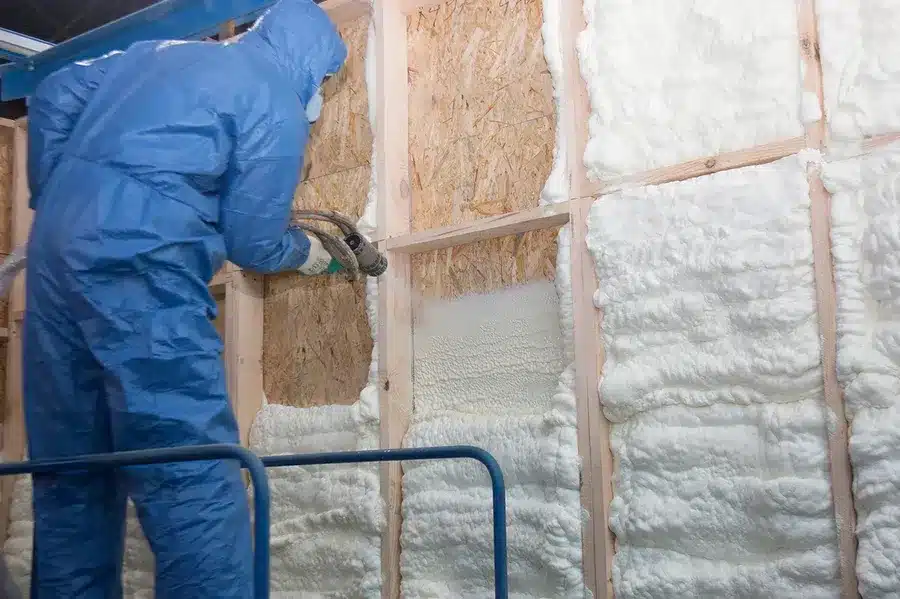
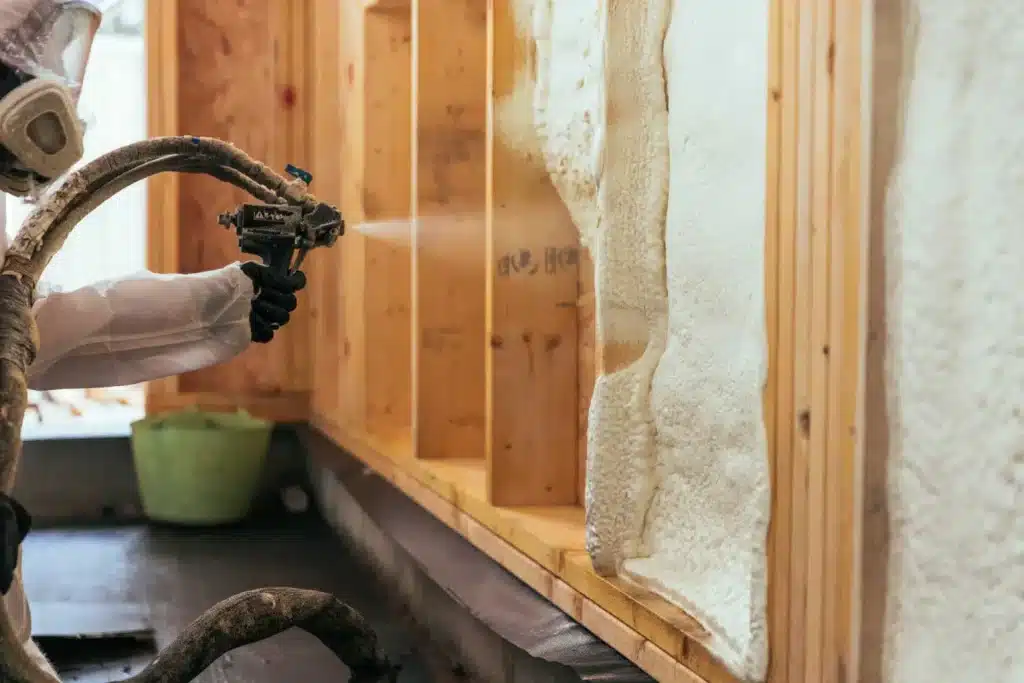
Spray foam insulation has a distinct advantage in extreme weather conditions because it expands to fill gaps and cracks, creating an airtight seal in addition to its insulating properties. Traditional batt insulation, while effective at slowing conduction, does little to address air leakage through penetrations in the attic floor. For maximum comfort in extreme weather, air sealing should always accompany insulation installation.
The Connection Between Indoor Temperature and Human Performance
Maintaining stable indoor temperatures is not just about comfort, it has real implications for health, productivity, and well-being. Research from Lawrence Berkeley National Laboratory demonstrates that indoor temperatures within the ASHRAE comfort zone directly affect thermal comfort, satisfaction with air quality, and even the frequency of sick building syndrome symptoms.
The same research indicates that work performance is maximized at approximately 70°F to 72°F. When temperatures deviate significantly above or below this range, measurable decreases in cognitive performance, reaction time, and task accuracy occur. A related LBNL study on temperature and office work performance analyzed 24 separate studies and confirmed that performance decreases as indoor temperatures move away from the 71°F optimum in either direction.
What does this mean for your home? During extreme weather events, a poorly insulated attic creates temperature swings that push your indoor environment well outside the optimal comfort range. The result is not just discomfort but real impacts on daily functioning, sleep quality, and productivity for anyone working from home.
Recommendations by Climate and Home Type
The right insulation strategy depends heavily on your local climate and the specifics of your home. Here is a guide to choosing the best approach:
| Climate / Home Context | Recommended Insulation Approach | Key Notes | Expected Benefit |
|---|---|---|---|
| Hot, dry climate (e.g., Las Vegas, Zone 3B) | Closed-cell spray foam with radiant barrier focus | Prioritize resistance to radiant heat gain | Dramatically reduced cooling load, more even temperatures |
| Cold climate with freezing winters | High R-value insulation with thorough air sealing | Prevent ice dams and condensation | Lower heating costs, consistent warmth across all rooms |
| Mixed climate with hot summers and cold winters | Balanced R-value with both air sealing and vapor control | Address both heat gain and heat loss | Year-round comfort improvement |
| Older home with existing degraded insulation | Removal of old insulation, then new installation | Assess for moisture damage, pest activity, compression | Restored performance to original or better capacity |
| New construction or major renovation | Spray foam for full air sealing, then blown insulation for depth | Build to exceed minimum code R-values | Maximum efficiency from day one |
Signs You Have Found the Right Insulation Contractor
Choosing the right team to handle your attic insulation project matters as much as selecting the material. Here are the indicators that you are working with a qualified professional:
- Thorough assessment before quoting: A reputable contractor will inspect your attic, measure existing insulation depth, identify air leakage points, and assess ventilation needs before recommending any specific solution.
- Air sealing included in the scope: Any insulation proposal that does not address air sealing as part of the work is incomplete. The best contractors treat air sealing and insulation as a single, integrated project.
- Clear explanation of R-value targets: The contractor should specify the target R-value for your climate zone and show you how the proposed solution achieves it, not just how many inches of material they plan to install.
- References to building science principles: A knowledgeable contractor will explain how their approach addresses conduction, convection, and radiation, not just one mode of heat transfer.
- Warranty and post-installation verification: A quality installer will verify the final installed R-value and provide documentation of the work completed.
Ready to Improve Your Home’s Comfort?
Supreme Spray Foam LV specializes in professional attic insulation and air sealing services for homeowners in Las Vegas and the surrounding area. Our experienced team evaluates your attic’s current condition, identifies air leakage pathways, and recommends the best insulation solution for your specific home and climate challenges. We use high-performance spray foam insulation that seals and insulates in a single application, delivering maximum comfort improvement during the extreme heat conditions our region is known for.
Request a Quote | [Schedule an Attic Assessment](702) 904-9895
Contact us at [email protected] or call (702) 904-9895 to get started. A comfortable home in any weather is within reach.
Frequently Asked Questions
Does adding attic insulation really make a noticeable difference in summer heat?
Yes. Attic insulation slows radiant heat transfer from the hot roof into your living space, which is the primary source of heat gain during summer. Combined with air sealing, it can significantly reduce indoor temperatures and HVAC runtime during peak heat.
How do I know if my attic has enough insulation?
A visual inspection of your attic floor insulation depth is the first step. If the insulation level is below or level with the ceiling joists, you likely need more. A professional assessment with R-value measurement gives you a definitive answer.
Can insulation help with humidity issues in my home?
Yes. The EPA’s ENERGY STAR program identifies better humidity control as one of the direct comfort benefits of a properly sealed and insulated attic, because it reduces uncontrolled air infiltration that carries moisture from outside.
Why is air sealing recommended alongside insulation?
Insulation slows conductive heat transfer but does not block air movement through gaps and cracks. Air sealing addresses the convection pathway, which the EPA equates to having a window open year-round in the average home if left unsealed.
How long does attic insulation last before it needs replacement?
Quality spray foam insulation can maintain its R-value for decades without degradation. Fiberglass and cellulose can settle, compress, or absorb moisture over time, which reduces their effectiveness and may eventually require replacement or augmentation.
Sources
- ENERGY STAR – Rule Your Attic! For Comfort and Savings – EPA’s consumer guide explaining how a well-sealed and insulated attic reduces energy costs and improves home comfort, with estimated savings of 15% on heating and cooling.
- ENERGY STAR – Why Seal and Insulate? – EPA resource detailing the comfort, energy savings, and air quality benefits of sealing and insulating, including humidity control and noise reduction.
- Wikipedia – R-value (insulation) – Comprehensive reference on thermal resistance measurement, insulation types, R-value comparison tables, and how conduction, convection, and radiation interact in building assemblies.
- Lawrence Berkeley National Laboratory – Better Control of Indoor Temperatures – DOE research on how indoor temperature affects thermal comfort, sick building syndrome symptoms, and work performance, with estimated national economic benefits of improved temperature control.
- Lawrence Berkeley National Laboratory – Temperature and Office Work Performance – Analysis of 24 studies showing that office work performance is maximized at approximately 71°F and decreases as temperatures deviate in either direction.