
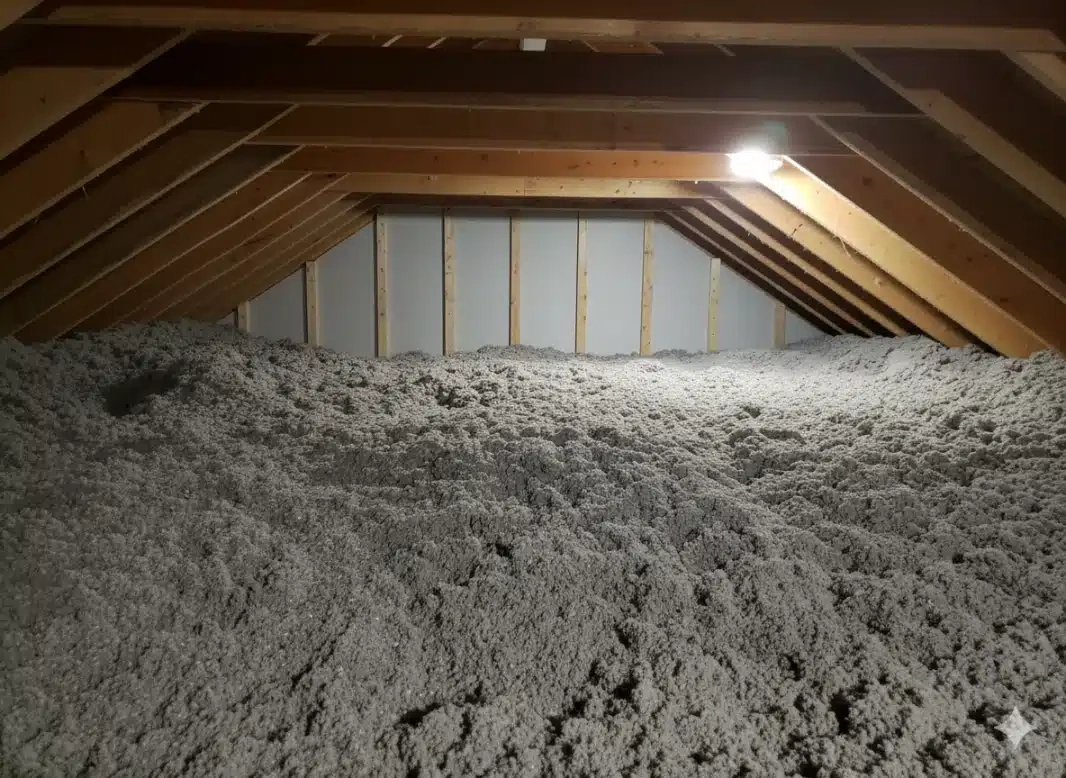
Finding the most effective attic insulation solutions for your home in Indian Springs, NV, requires a balance between heat resistance, air sealing, and long-term durability. The right choice depends on your specific budget, the age of your home, and your energy efficiency goals, though spray foam and high-density fiberglass are common contenders for desert climates. Choosing a modern material helps manage the intense heat of the Mojave Desert while keeping your indoor spaces comfortable year-round. This guide explains how different materials perform under local conditions and how our team helps you make the right transition to a more efficient home.
TL;DR
- Primary Material Choice: Spray foam offers the highest R-value per inch and provides a built-in air seal that traditional materials lack.
- Cost vs. Value: While spray foam has a higher upfront cost, it typically pays for itself through lower utility bills within 3 to 5 years.
- Installation Speed: Most modern attic insulation installation projects are completed in a single day, causing minimal disruption to your routine.
- Climate Specifics: Indian Springs homes face extreme temperature swings, making thermal resistance and air sealing equally important.
- Long-Term Durability: Modern synthetic materials do not settle or lose effectiveness over time like older cellulose or fiberglass batts.
- Strategic Advantage: Proper insulation reduces the load on your HVAC system, extending its lifespan and preventing expensive mechanical failures.
Understanding the Climate Challenge in Indian Springs
Indian Springs presents a unique environment for any insulation contractor. The region experiences scorching summer temperatures and surprisingly cold winter nights. In a standard home, the attic acts like an oven, reaching temperatures well over 140 degrees Fahrenheit. This heat transfers through the ceiling and into your living space, forcing your air conditioner to work overtime.
Effective home comfort solutions must address three types of heat transfer: conduction, convection, and radiation. Traditional materials like fiberglass batts mainly handle conduction. However, they often allow air to leak through gaps, which is known as convection. To truly protect a modern home, you need a system that creates a thermal break and an airtight barrier.
Types of Modern Attic Insulation
When looking for energy-saving insulation, you will likely encounter three main categories. Each has distinct characteristics that affect its performance in the Nevada desert.
1. Spray Polyurethane Foam (SPF)
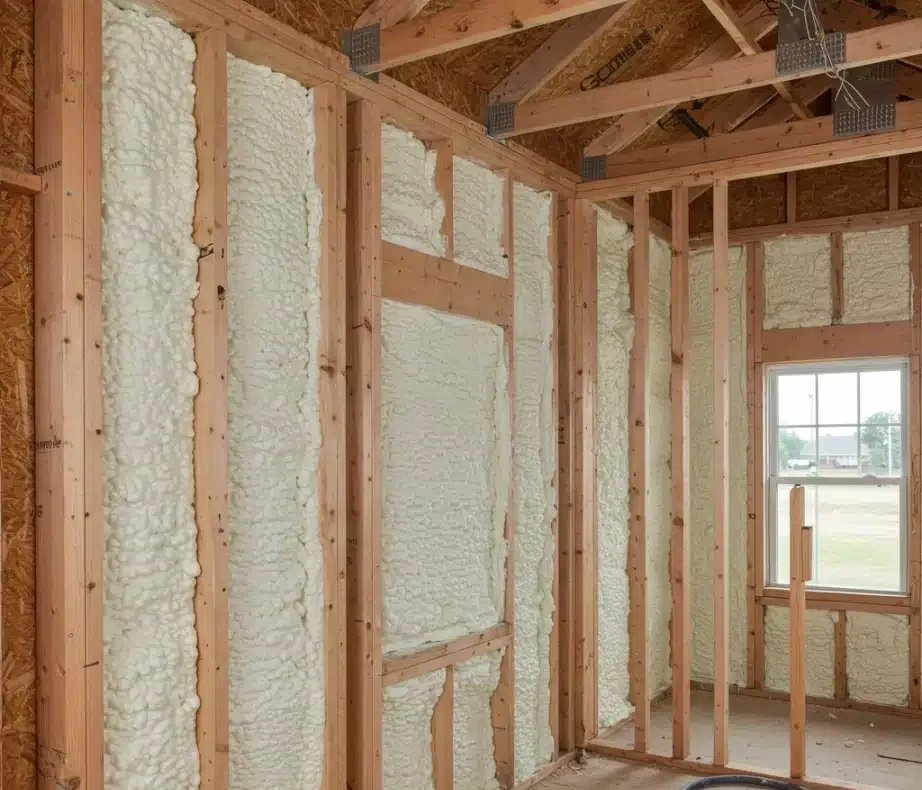
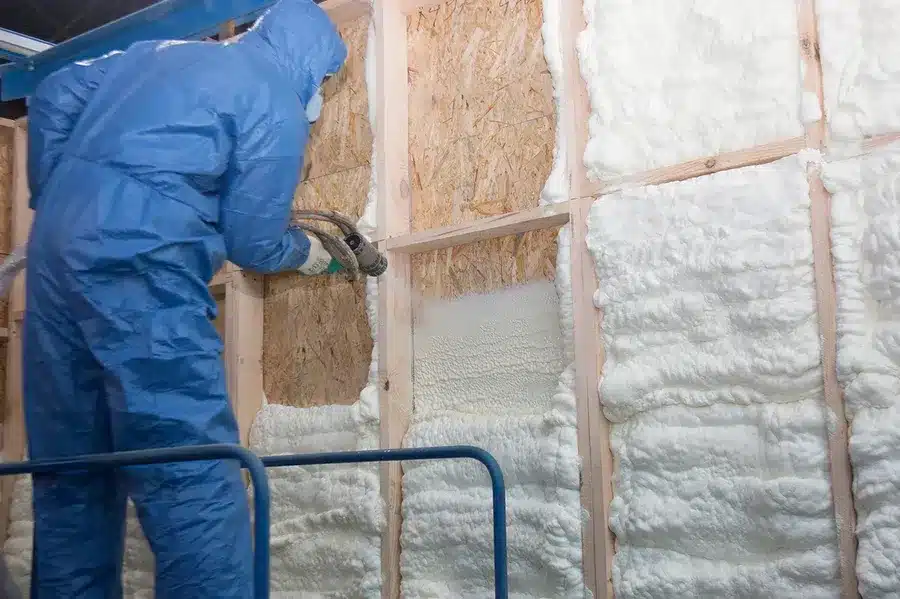
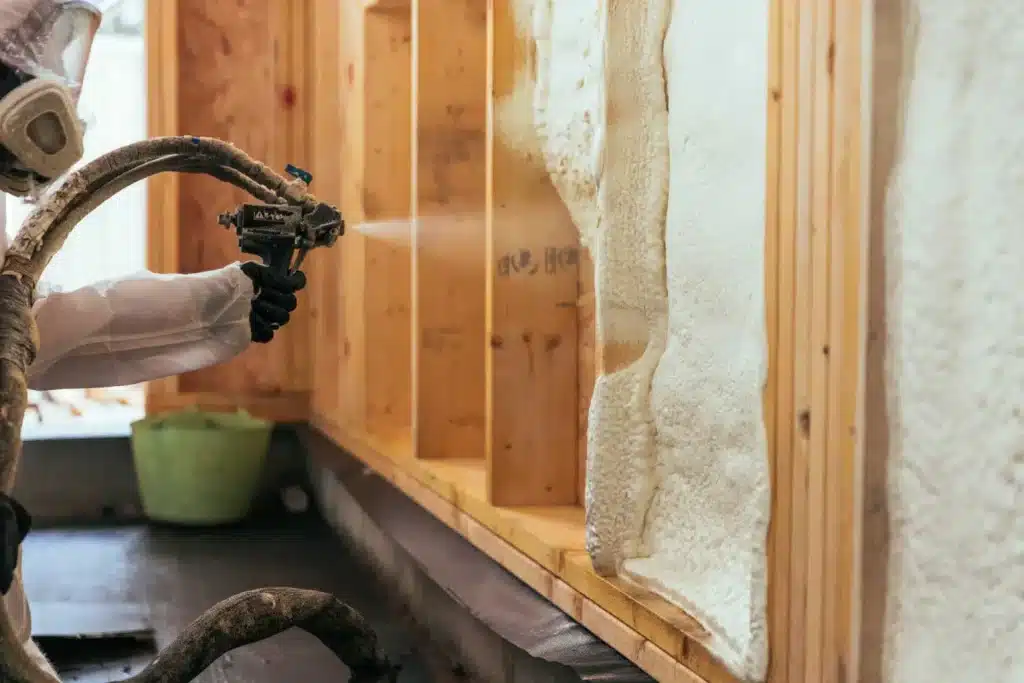
Spray foam is widely considered the gold standard for modern attic insulation. It is applied as a liquid that expands into a thick foam, filling every crack and crevice. This creates a custom fit that prevents air leakage. According to information found on Wikipedia regarding Spray foam, this material provides a high R-value and acts as both an insulation and an air barrier. Our specialists often recommend closed-cell spray foam for its superior moisture resistance and structural strength.
2. Blown-In Cellulose
Cellulose is made from recycled paper products treated with fire retardants. It is a dense material that provides better coverage than fiberglass batts because it can be blown into tight corners. It is an eco-friendly option, though it can settle over several years, which may reduce its R-value.
3. Fiberglass (Batts and Blown-In)
Fiberglass remains a popular choice due to its affordability. Modern fiberglass products are more refined than older versions, offering better thermal resistance. However, fiberglass does not stop air movement. If your attic has many recessed lights or plumbing stacks, fiberglass alone may not provide the home comfort solutions you expect without additional air sealing.
Performance Comparison Table
The following table compares the most common attic insulation solutions based on their performance in desert environments like Indian Springs.
| Insulation Type | R-Value per Inch | Air Sealing Ability | Moisture Resistance | Average Lifespan |
|---|---|---|---|---|
| Closed-Cell Spray Foam | 6.0 – 7.0 | Excellent | High | 50+ Years |
| Open-Cell Spray Foam | 3.5 – 3.8 | Good | Moderate | 50+ Years |
| Blown-In Cellulose | 3.2 – 3.8 | Poor | Low | 20 – 30 Years |
| Fiberglass Batts | 2.2 – 3.4 | None | Low | 15 – 25 Years |
The Importance of R-Value and Air Sealing
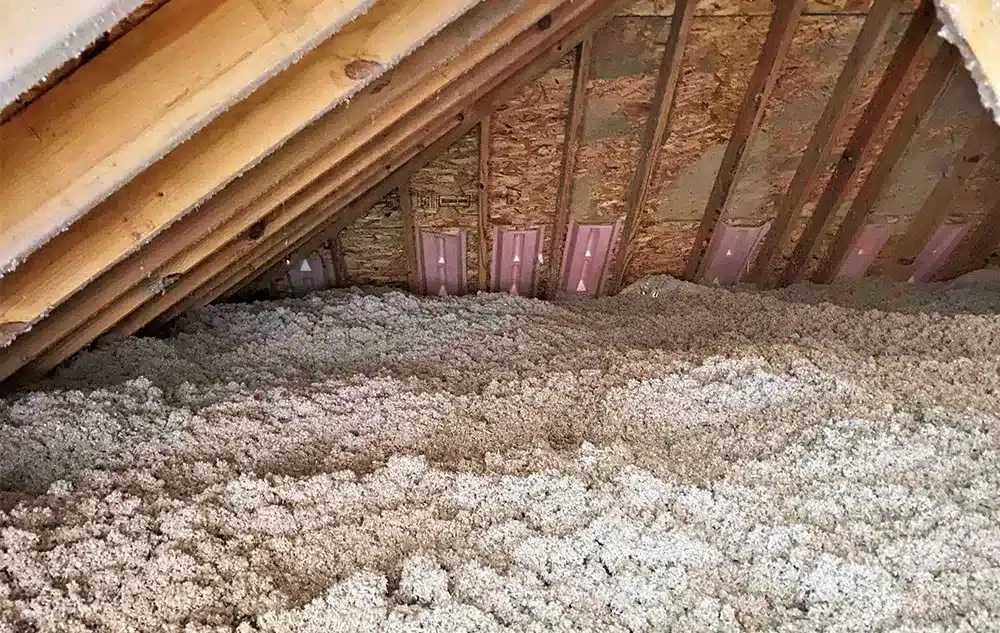
R-value measures a material’s resistance to heat flow. The higher the R-value, the better the insulation. For homes in Nevada, the U.S. Department of Energy provides specific guidelines on Insulation levels required to maximize efficiency. In Indian Springs, aiming for an R-value between R-38 and R-60 in the attic is standard for modern energy goals.
However, R-value is only half of the story. If your attic is not air-sealed, heat will still find its way into your home through light fixtures, wire holes, and top plates. This is why attic insulation installation that includes air sealing is so effective. By stopping the movement of hot air, you keep your cooled air inside where it belongs.
Financial Benefits of Energy-Saving Insulation
Investing in high-quality insulation is one of the few home improvements that generates a direct return on investment. Data from ENERGY STAR suggests that homeowners can save an average of 15% on heating and cooling costs by air sealing and insulating their attics. In a climate as extreme as ours, those savings are often much higher.
Beyond monthly bill reductions, proper insulation protects your HVAC equipment. When your home stays cool longer, your air conditioner cycles less frequently. This reduces wear and tear, potentially saving you thousands of dollars in premature replacement costs.
Visual Suggestions for Homeowners
- Infrared Comparison Graph: A side-by-side visual showing a home with traditional insulation versus one with spray foam under a thermal camera. This would highlight the heat “leakage” points in standard homes.
- Layering Diagram: A cross-section of an attic floor showing the progression from the drywall ceiling to the air sealing layer and finally the bulk insulation.
- Efficiency Timeline: A chart illustrating the decline in R-value for materials that settle (like cellulose) versus the flat, consistent performance line of spray foam over 20 years.
Recommendations by Audience
For New Home Builders: If you are currently building a modern home in Indian Springs, we recommend installing spray foam directly to the underside of the roof deck. This creates a “conditioned” attic space. It keeps your ductwork in a cool environment, which significantly boosts the efficiency of your entire HVAC system.
For Owners of Older Homes: If your home was built more than 15 years ago, your current insulation is likely underperforming. Our team often suggests a “top off” with blown-in materials after performing professional air sealing. If budget allows, removing the old, dusty insulation and replacing it with spray foam provides the most dramatic improvement in comfort and air quality.
For Environmentally Conscious Homeowners, Blown-in cellulose is an excellent choice for those prioritizing recycled content. It provides a dense thermal blanket and is treated to be borate-resistant, which also helps deter pests.
Signs You’ve Found the Right Approach
Identifying a high-quality insulation contractor involves looking for specific indicators of expertise. A reputable team will not just suggest a product; they will analyze your entire building envelope.
- Comprehensive Assessment: They use tools like thermal imaging cameras to find hidden heat leaks.
- Transparency: They explain the “why” behind their recommendations, focusing on your specific home layout.
- Ventilation Focus: A good professional ensures your attic still breathes properly or is correctly sealed to prevent moisture buildup.
- Detailed Quotes: You should receive a clear breakdown of the materials used, the target R-value, and the specific areas being addressed.
- Focus on Air Sealing: If a provider only talks about adding more material without mentioning air leaks, they are missing a vital step in the process.
Transforming Your Home Comfort
Our team at Supreme Spray Foam – Fresno specializes in creating high-performance environments that stand up to the toughest weather conditions. We understand the specific needs of modern homes and provide tailored attic insulation solutions in Indian Springs that deliver immediate results. By focusing on precision installation and high-quality materials, we help you reduce energy waste and improve your daily living experience.
[Request a free quote] [call for an assessment]
Email Address: [email protected] Phone: (559) 545-0800
Let our experts help you create a cooler, more efficient home today.
FAQs
How long does it take to install new attic insulation?
Most residential projects in Indian Springs are completed within 4 to 8 hours, depending on the size of the attic and the type of material chosen.
Will new insulation help reduce outside noise?
Yes, materials like spray foam and dense cellulose are excellent at dampening sound, which helps create a quieter indoor environment.
Is spray foam insulation safe for my family?
Once the foam has fully cured, which typically takes 24 hours, it is chemically inert and does not release harmful particles or odors into your home.
How do I know if my current attic insulation is sufficient?
If you can see your floor joists in the attic, you likely have less than the recommended amount of insulation and should consider an upgrade.
Can I stay in my home during the installation?
For blown-in materials, you can remain home, but for spray foam, our specialists usually recommend vacating for 24 hours during the curing process.
Sources
- Wikipedia: Spray foam
- U.S. Department of Energy: Insulation
- ENERGY STAR: Seal and Insulate
- International Association of Certified Home Inspectors: Attic Insulation