
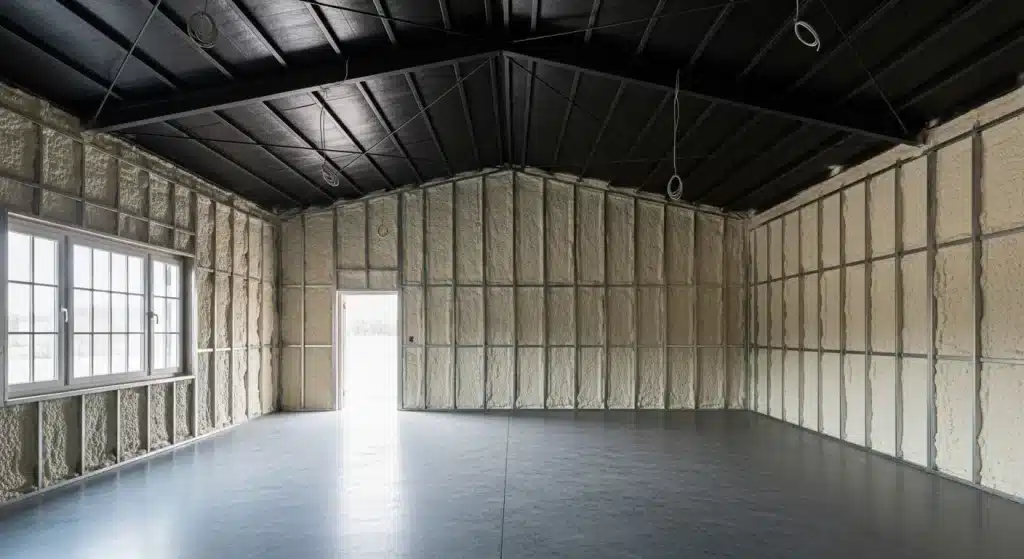
Spray foam insulation offers strong protection against mice. The material expands to fill gaps and forms a solid barrier that rodents struggle to chew through. Unlike fiberglass or cellulose, which mice can easily nest in or penetrate, spray foam creates a seamless seal that blocks entry points. Homeowners in arid regions like Las Vegas often see fewer pest issues after installation because the foam adheres tightly to surfaces and resists moisture that attracts rodents.
This article covers how spray foam works against mice, practical steps for pest prevention, and factors to weigh before choosing insulation. Insights draw from years of handling installations in hot, dry climates where pests seek shelter from extreme temperatures. Readers gain clear strategies to safeguard homes effectively.
How Spray Foam Blocks Rodents
To understand why this is effective in regions like Las Vegas, let’s examine how spray foam specifically blocks rodent entry. Mice enter homes through tiny cracks, often as small as a dime. Spray foam expands up to 100 times its liquid volume, sealing these openings completely. The polyurethane in closed-cell spray foam proves especially tough; mice lack the jaw strength to damage it. In practice, installations in attics and walls prevent nests by eliminating hiding spots.
Open-cell spray foam, while lighter, still deters mice but absorbs water more readily. In humid areas, this can draw pests, but in dry Las Vegas conditions, both types perform well. Data from the U.S. Department of Energy indicates that spray foam reduces air infiltration by up to 24 times compared to traditional insulation, indirectly limiting pest access by maintaining consistent indoor environments.
Bonus Tip for Attic Applications
Apply spray foam in layers during installation to ensure even coverage. This method avoids weak spots where mice might probe, based on observations from multiple desert climate projects.
Comparing Insulation Types for Pest Resistance
Different insulation materials handle rodents in varied ways. Fiberglass batts provide pathways for mice to travel and nest, while blown-in cellulose invites burrowing due to its loose structure. Spray foam stands out by adhering directly to framing, leaving no voids.
The table below outlines key differences based on common field experiences and industry standards.
This comparison highlights why spray foam often serves as a top choice for long-term pest control. A study by the National Pest Management Association notes that 40% of U.S. homes face rodent problems annually, with unsealed insulation contributing to infestations.
Pest Prevention Strategies Beyond Insulation
These strategies are particularly effective in hot, dry climates like Las Vegas, but apply universally with adjustments for local conditions. Seal gaps around pipes, vents, and doors with metal flashing or caulk before adding insulation. Mice squeeze through spaces under 1/4 inch, so thorough inspections matter. In Las Vegas homes, where summer heat drives rodents indoors, combining foam with wire mesh over vents adds extra layers of defense.
Store food in airtight containers and trim vegetation away from foundations. These steps reduce attractants. Market research from Orkin shows that proper home sealing cuts rodent sightings by 70% in urban desert settings.
Regular cleanups remove droppings and debris that signal safe havens. Use traps or baits judiciously, focusing on entry prevention first. In hot climates, avoid materials that retain heat, as they can exacerbate pest activity during cooler nights.
Bonus Tip for Foundation Areas
Check for soil buildup against exterior walls annually. This prevents mice from bridging gaps to insulated spaces, a common issue in sandy Las Vegas yards.
Things to Consider Before Making a Decision
Assess current pest activity through signs like droppings or gnaw marks. If mice already infest the space, address them before insulating to avoid trapping them inside. Climate plays a role; in dry areas, foam’s moisture resistance shines, but in wetter zones, pair it with vapor barriers.
Budget for professional application, as DIY kits often leave gaps. Energy savings from better sealing offset costs over time, but weigh upfront expenses against local utility rates. Inspect home age and structure; older Las Vegas properties with settling foundations may need repairs first.
Review warranties and material R-values for dual benefits in insulation and pest control. Consult local building codes, which in Nevada emphasize fire-rated foams for safety.
Can spray foam insulation alone keep out pests?
Spray foam creates a strong barrier that blocks many entry points, but it works best when paired with an integrated pest management plan. This ensures long-term protection.
Are there health risks if pests get trapped inside walls?
With proper prep before installation, this isn’t a concern. The foam’s impermeable structure prevents odors, allergens, or contaminants from spreading indoors.
Does spray foam help against termites in desert regions?
Yes, certain foams include termite-resistant properties, which is especially valuable in dry climates where termites are more of a threat than mice.
Bonus Tip for Wall Installations
During retrofits, remove old insulation first to eliminate existing nests. This step, seen in numerous projects, prevents future breakthroughs.
Can Mice Chew Through Spray Foam?
Mice rarely succeed in chewing spray foam. The material’s density and chemical makeup make it unpalatable and hard to breach. Field reports confirm breaches occur only at installation flaws, not the foam itself.
Is Spray Foam Safe for Homes with Pets?
Yes, once cured, spray foam poses no toxicity risks to pets. It expands and hardens quickly, avoiding off-gassing issues. Ensure ventilation during application for safety.
How Does Climate Affect Foam’s Pest Protection?
In hot, dry areas like Las Vegas, foam excels by blocking heat-driven migrations. Humid climates demand closed-cell types to avoid mold that attracts pests.
Does Foam Prevent Other Pests Besides Mice?
It deters ants, spiders, and some insects by sealing cracks. For larger rodents like rats, combine with stronger barriers due to their size.
When Should Foam Be Inspected for Damage?
Check every 5-10 years, especially after storms or settling. Early detection keeps pest entry minimal.
Key Takeaways for Effective Pest Prevention
Spray foam seals homes against mice by filling gaps and resisting penetration, outperforming many alternatives. Pair it with sealing, cleanup, and inspections for full protection. In Las Vegas’s intense climate, these measures maintain comfort and safety year-round.
Evaluate home specifics, local pest patterns, and insulation needs. Long-term goals like energy efficiency and durability guide choices. Take time to inspect and plan accordingly.
Ready to Strengthen Your Home’s Defenses?
Contact Supreme Spray Foam LV for guidance on insulation options tailored to pest challenges. Reach out via email at info@supremesprayfoamlv.com or call (702) 904-9895 to discuss your situation. Professional assessments ensure the best fit for lasting results.
Sources
- U.S. Department of Energy: Government resource on insulation performance, including air infiltration data relevant to pest barriers.
- National Pest Management Association: Industry report on rodent infestation statistics in U.S. homes, supporting prevention strategies.