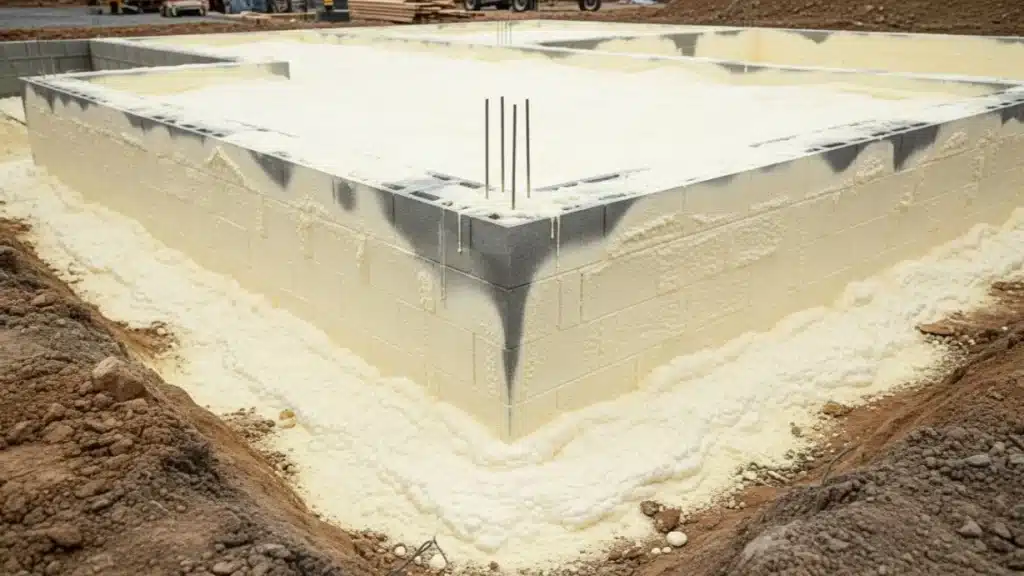
Insulating your foundation prevents heat from rising through the ground and into your floors. It acts as a shield against moisture and helps stabilize your house’s indoor temperature during extreme weather. We find that this step protects your home structure from the desert’s intense heat cycles and soil pressure.
TL;DR
- Stop thermal transfer from the hot desert soil into your home.
- Prevent mold growth under flooring by controlling ground moisture.
- Reduce concrete stress and expansion caused by extreme temperature shifts.
Why Foundation Insulation Matters in Las Vegas
We often focus on the roof or walls when thinking about home comfort, but the ground beneath us holds a lot of heat. In a desert climate, the soil stays warm long after the sun goes down, and that heat moves right through your concrete slab.
Research from Energy.gov shows that a foundation can account for a large portion of a home’s energy loss. By creating a barrier between the earth and your floor, we keep the indoor environment much more stable.
Thermal Transfer Through Concrete
Concrete is a dense material that acts like a thermal battery. It absorbs heat from the outside and slowly releases it inside your living space throughout the night.
We use spray foam to break this cycle by providing a layer of high thermal resistance. This keeps the concrete cooler and prevents your air conditioner from working overtime to fight the rising heat from the floor.
Closed Cell Foam Benefits
Closed-cell spray foam is a top choice for foundations because it is dense and strong. It does not just stop heat; it also provides a high level of physical strength to the area it covers.
This material fills every tiny crack in the concrete surface. This airtight seal is something other materials simply cannot offer, making it a reliable option for long-term protection.
Soil Gas and Radon Protection
The ground contains various gases that can seep into a home through porous concrete or small gaps. Spray foam acts as a physical block against these unwanted elements.
A study by Oak Ridge National Laboratory highlights how spray foam creates an effective air barrier. This barrier helps keep your indoor air cleaner by preventing soil-borne contaminants from entering your breathing space.
Temperature Stability for Utilities
Many homes have water lines or HVAC ducts running near or through the foundation. If the foundation is not insulated, these systems have to deal with much higher ambient temperatures.
Keeping the foundation cool helps your plumbing and ductwork stay at a more reasonable temperature. This leads to less wear on your mechanical systems and more consistent water temperatures in your taps.
Heat Leaks = Wasted Money
Neglecting the base of your home creates a thermal bridge that lets your expensive cool air leak into the dirt. This waste adds up quickly on your monthly utility statements.
We see many homeowners struggle with hot spots on their floors, even when the AC is blasting. This is usually because the foundation is absorbing the desert sun’s energy and radiating it directly into the house.
Moisture Defense for Your Slab
Even in the desert, moisture is a concern because of the way concrete breathes. It can pull dampness from the soil, which leads to issues with hardwood floors or carpets.
According to data from the Building Science Corporation, moisture movement through foundations is a leading cause of indoor air quality problems. We use spray foam to create a vapor retarder that stops this moisture in its tracks.
Concrete Stability and Soil Shift
The soil in Las Vegas can be tough on concrete. When the ground gets hot and dry, it shifts, putting pressure on your home’s base.
Home Insulation helps keep the concrete at a more uniform temperature. This reduces the expansion and contraction that causes cracks over time. A stable slab means a safer home for you and your family.
Pest Prevention Around the Perimeter
Bugs and pests often look for small gaps where the foundation meets the walls. Traditional insulation can actually provide a place for them to hide.
Spray foam is different because it hardens into a solid mass that pests cannot easily chew through. It seals the tiny entry points that ants and termites use to get inside.
Long-Term Value for Homeowners
Investing in foundation insulation increases your property’s overall value. Buyers today look for homes that are energy efficient and well-maintained.
A report by Lawrence Berkeley National Laboratory suggests that sealing unconditioned spaces below the home greatly improves efficiency. This is one of the smartest upgrades you can make for your house.
Tax Credits for Home Efficiency
There are often federal or local incentives for making your home more energy efficient. These programs can help offset the cost of installing spray foam insulation.
We recommend checking for current rebates for foundation sealing and thermal barriers. These savings make the project even more affordable for local families.
Better Air Quality for Your Family
When you seal the foundation, you stop dust and soil-borne spray foam allergens from entering your home. This leads to a much healthier living environment.
Many people notice they sneeze less or have fewer allergy symptoms after we seal their foundation. It is about more than just temperature; it is about the air you breathe every day.
Answers to Foundation Insulation Questions
We get a lot of questions about how to protect a home from the ground best up. Here are the most frequent queries we hear from Las Vegas residents.
Do foundation walls need to be insulated?
Yes, they do. Insulating these walls prevents heat from moving through the sides of your slab. It also protects the concrete from the thermal stress of the desert’s day-to-night temperature swings.
Can insulation keep your house cool?
It definitely can. By blocking the heat from the ground and the outside air, insulation keeps your cooled air inside. This means your home stays at your desired temperature for much longer without the AC running.
Are foundation insulation panels worth it?
Panels are okay, but they often leave gaps at the seams. We recommend spray foam because it expands to fill every corner, providing a continuous seal that panels cannot match.
What protection does insulation provide?
It provides a triple layer of defense. You get thermal protection from heat, a vapor barrier against moisture, and an air seal that keeps out dust and pests.
Is it worth insulating a house?
Wrapping the entire structure, including the foundation, is a smart move for maximum efficiency. It creates a shell around your home that keeps the Las Vegas heat exactly where it belongs, which is outside.
If you are ready to protect your home from the ground up, contact Supreme Spray Foam LV. Our team is prepared to help you save money and stay comfortable.
Business Contact Information Company Name: Supreme Spray Foam LV Email Address: info@supremesprayfoamlv.com Phone: (702) 904-9895
Sources
- Energy.gov: Guide on the benefits of foundation insulation for home energy savings.
- Oak Ridge National Laboratory: Research regarding the air sealing capabilities of spray foam materials.
- Building Science Corporation: Technical analysis of moisture management in residential foundations.