Blog

Spray Foam Insulation Tips and Guides, Page 2

Everything You Need to Know About Residential Insulation: Selection, Performance & Savings

If you have ever walked barefoot on a second-floor hallway in January and felt the cold radiating up from the floor beneath you, you have already…

Read article →
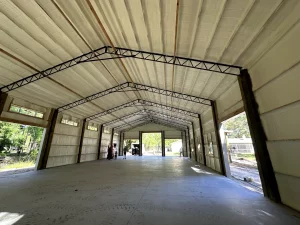
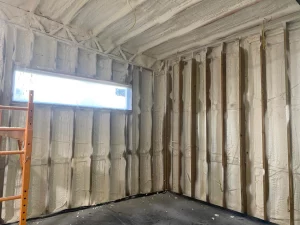
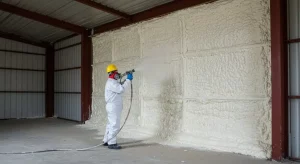
How Commercial Insulation Improves Energy Efficiency in Large Buildings?

Commercial insulation works by slowing the transfer of heat through a building’s envelope, which directly reduces the energy demand placed on HVAC…

Read article →

Best Spray Foam Insulation Services in Las Vegas, NV and Surrounding Areas

Las Vegas homeowners face some of the most extreme cooling demands in the country, with summer highs averaging 102 degrees Fahrenheit and roughly…

Read article →

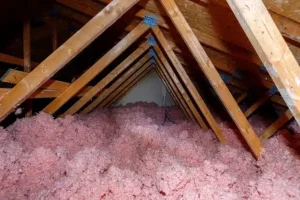
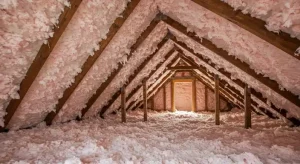
How Attic Insulation Improves Indoor Comfort in Extreme Weather Conditions?

Attic insulation works by slowing the three modes of heat transfer, conduction, convection, and radiation, through the largest surface of your…

Read article →

How Does Open Cell Spray Foam Create a More Comfortable Living Environment?

Open cell spray foam creates a more comfortable living environment by sealing air leaks, stabilizing indoor temperatures, absorbing sound, and…

Read article →

Attic Insulation vs Poor Insulation: What Difference Does It Make in Moapa Valley, NV?

Choosing between professional attic insulation and living with poor insulation is the difference between a controlled, energy-efficient environment…

Read article →

What Is the Best Type of Attic Insulation for Modern Homes in Indian Springs, NV?

Finding the most effective attic insulation solutions for your home in Indian Springs, NV, requires a balance between heat resistance, air sealing,…

Read article →

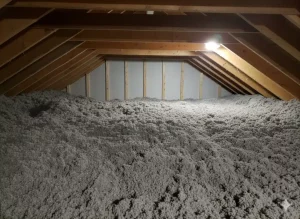
How Attic Insulation Helps Homeowners Lower Energy Costs in Desert Shores, Las Vegas, NV

Attic insulation works by creating a thermal barrier between the intense desert heat on your roof and the living spaces below.

Read article →

Attic Insulation Explained Types Benefits and Installation Guide in Las Vegas, NV

If you have ever walked into your living room on a July afternoon in Las Vegas and felt the heat radiating down from above, you already understand…

Read article →

Why Attic Insulation is Essential for a Quiet and Calm Master Suite in North Las Vegas, NV

Attic insulation is one of the most impactful upgrades you can make to create a quiet, comfortable, and energy-efficient master suite in North Las…

Read article →

Why Commercial Insulation is Vital for Every Modern Facility in Desert Shores, Las Vegas, NV

Commercial insulation is not a luxury upgrade or a line item to skip during construction.

Read article →

Spray Foam vs Fiberglass for Creating the Most Comfortable Home

Spray foam insulation delivers superior home comfort compared to fiberglass because it expands to seal gaps, cracks, and penetrations that…

Read article →

Ready to Get Started?

Call (702) 904-9895 or request your free visit online.

Schedule an Appointment Today

Questions

Frequently Asked Questions

What Is residential spray foam insulation?

Residential spray foam insulation is a type of insulation applied as a liquid that expands into a foam, creating an air-tight barrier. It is used in walls, attics, crawl spaces, and other areas to improve energy efficiency by reducing air leakage.

How does spray foam insulation work?

Spray foam insulation expands upon application, filling gaps and cracks in building materials. This creates a sealed layer that helps prevent air movement, improving thermal resistance and moisture control.

What are the main types of spray foam insulation?

There are two main types: open-cell and closed-cell spray foam. Open-cell is less dense, offers sound dampening, and is typically used in interior applications. Closed-cell is denser, provides a higher R-value, and adds structural strength and moisture resistance.

Is spray foam insulation safe for homes?

When installed properly by trained professionals, spray foam insulation is safe. It should only be applied with appropriate ventilation and protective equipment during installation, as the chemicals used need time to cure.

How long does spray foam insulation last?

Spray foam insulation can last over 20 years without degrading when properly installed. It doesn’t sag or settle like traditional insulation materials.

What is the R-value of spray foam insulation?

Open-cell spray foam typically has an R-value around 3.5 to 3.7 per inch, while closed-cell spray foam has an R-value of about 6 to 7 per inch. R-value indicates thermal resistance; higher values mean better insulation performance.

Where in the home can spray foam be applied?

Spray foam can be applied in attics, walls, basements, crawl spaces, rim joists, and around windows and doors. It is suitable for both new construction and retrofit projects.

Will spray foam help reduce my energy bills?

Yes, spray foam insulation improves a home’s energy efficiency by reducing air leaks and maintaining indoor temperatures. Homeowners often see noticeable reductions in heating and cooling costs.