
How Spray Foam Protects Las Vegas Garages from Dust & Heat
Las Vegas garages are constantly exposed to high temperatures and wind-driven dust.
Read article →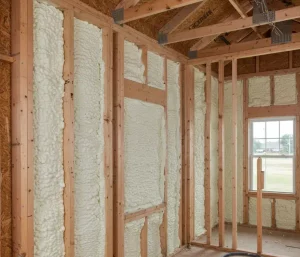
Las Vegas garages are constantly exposed to high temperatures and wind-driven dust.
Read article →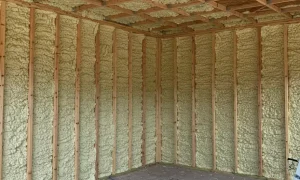
Las Vegas homes require improved insulation today due to extreme temperature fluctuations, high energy costs, and increasing pressure on the power…
Read article →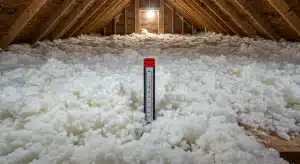
Spray foam can create an effective barrier against bugs and pests when applied correctly.
Read article →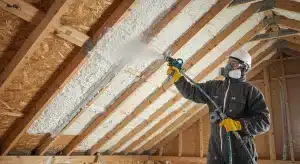
Spray foam insulation reduces noise by sealing gaps and limiting air movement, which prevents sound waves from easily passing through walls,…
Read article →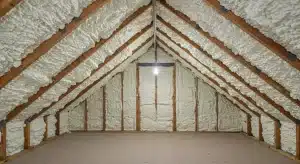
Attic insulation serves as the primary thermal barrier that prevents conditioned air from escaping your home while blocking external temperature…
Read article →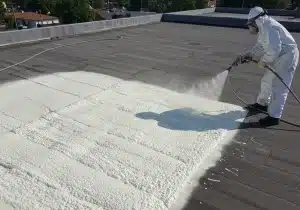
Spray foam roofing can be an excellent investment for property owners seeking superior insulation, waterproofing, and energy efficiency.
Read article →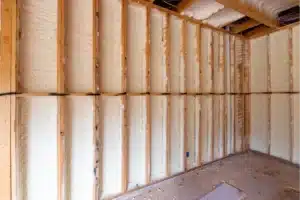
Closed-cell spray foam proves highly effective for Las Vegas homes due to the desert climate’s extreme temperature variations and energy efficiency…
Read article →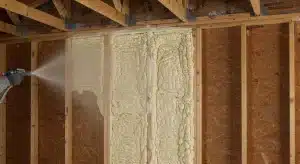
Spray foam insulation delivers exceptional return on investment with payback periods that depend on your home and energy use, along with lower…
Read article →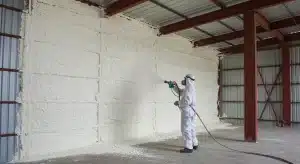
Fire safety standards for commercial insulation are governed by strict building codes, ASTM testing protocols, and classification systems such as…
Read article →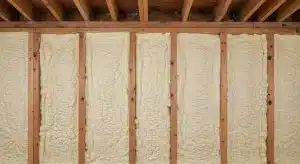
In Las Vegas, high cooling bills, uneven temperatures, and indoor discomfort are common signs that indicate the need for spray foam insulation.
Read article →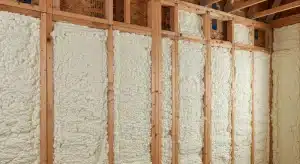
Upgrading residential insulation in Las Vegas typically involves a structured process that includes initial assessment, material selection, site…
Read article →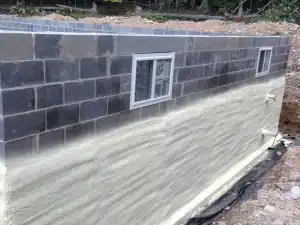
Foundation insulation plays a direct role in preventing moisture accumulation in Las Vegas homes by minimizing condensation and controlling ground…
Read article →Call (702) 904-9895 or request your free visit online.
Schedule an Appointment TodayQuestions
Residential spray foam insulation is a type of insulation applied as a liquid that expands into a foam, creating an air-tight barrier. It is used in walls, attics, crawl spaces, and other areas to improve energy efficiency by reducing air leakage.
Spray foam insulation expands upon application, filling gaps and cracks in building materials. This creates a sealed layer that helps prevent air movement, improving thermal resistance and moisture control.
There are two main types: open-cell and closed-cell spray foam. Open-cell is less dense, offers sound dampening, and is typically used in interior applications. Closed-cell is denser, provides a higher R-value, and adds structural strength and moisture resistance.
When installed properly by trained professionals, spray foam insulation is safe. It should only be applied with appropriate ventilation and protective equipment during installation, as the chemicals used need time to cure.
Spray foam insulation can last over 20 years without degrading when properly installed. It doesn’t sag or settle like traditional insulation materials.
Open-cell spray foam typically has an R-value around 3.5 to 3.7 per inch, while closed-cell spray foam has an R-value of about 6 to 7 per inch. R-value indicates thermal resistance; higher values mean better insulation performance.
Spray foam can be applied in attics, walls, basements, crawl spaces, rim joists, and around windows and doors. It is suitable for both new construction and retrofit projects.
Yes, spray foam insulation improves a home’s energy efficiency by reducing air leaks and maintaining indoor temperatures. Homeowners often see noticeable reductions in heating and cooling costs.