
Wall Insulation: Solve Noise, Heat, and Draft Issues
Wall insulation is one of the most effective investments homeowners can make to simultaneously eliminate drafts, reduce heating costs, and create a…
Read article →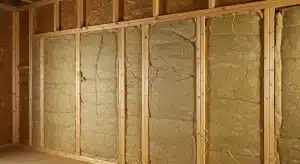
Wall insulation is one of the most effective investments homeowners can make to simultaneously eliminate drafts, reduce heating costs, and create a…
Read article →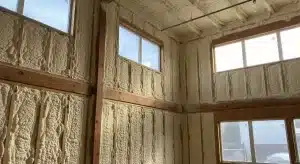
Choosing the right spray foam insulation for a Kyle Canyon property comes down to three factors: your home’s elevation and exposure to mountain…
Read article →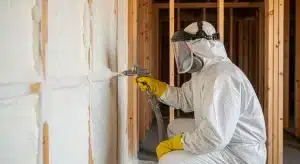
Closed-cell spray foam consistently outperforms traditional attic insulation materials like fiberglass batts and blown cellulose in barn…
Read article →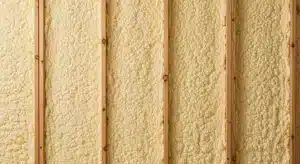
The right insulation strategy in 2026 comes down to understanding your home’s specific weak points, matching the correct material to each zone, and…
Read article →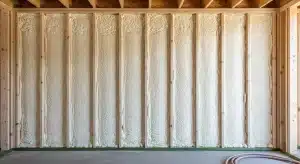
An insulated wall dramatically outperforms an uninsulated wall in nearly every measurable category.
Read article →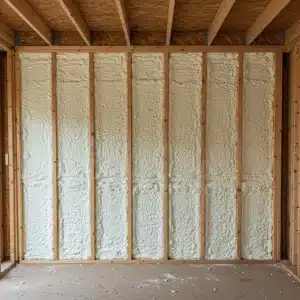
For most Las Vegas properties, closed cell spray foam is the better overall choice due to its higher R-value per inch (R-6 to R-7), superior…
Read article →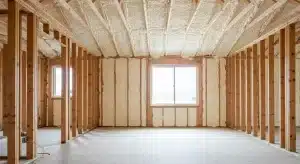
Wall insulation targets a single building envelope surface to stop thermal transfer through exterior and interior walls, while residential…
Read article →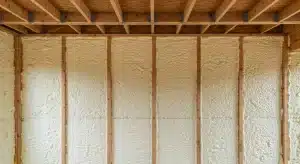
Traffic noise in Las Vegas homes can be significantly reduced by installing proper exterior wall insulation with high sound transmission class (STC)…
Read article →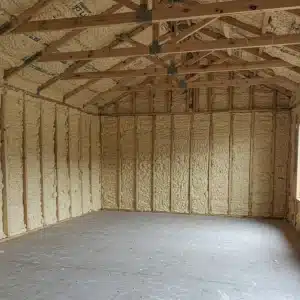
Open-cell spray foam insulation creates a quieter home office in Lone Mountain by filling wall cavities and air gaps with sound-absorbing material…
Read article →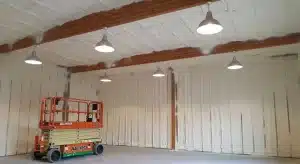
The short answer is not always, but it depends on the condition and type of existing insulation.
Read article →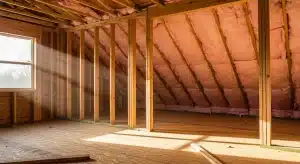
Meeting modern building codes for wall insulation requires understanding three key factors: R-value requirements for your climate zone, proper…
Read article →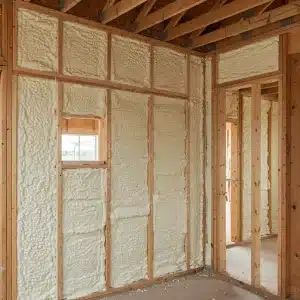
Proper wall insulation stands as one of the most impactful investments you can make in your home’s comfort and energy efficiency.
Read article →Call (702) 904-9895 or request your free visit online.
Schedule an Appointment TodayQuestions
Residential spray foam insulation is a type of insulation applied as a liquid that expands into a foam, creating an air-tight barrier. It is used in walls, attics, crawl spaces, and other areas to improve energy efficiency by reducing air leakage.
Spray foam insulation expands upon application, filling gaps and cracks in building materials. This creates a sealed layer that helps prevent air movement, improving thermal resistance and moisture control.
There are two main types: open-cell and closed-cell spray foam. Open-cell is less dense, offers sound dampening, and is typically used in interior applications. Closed-cell is denser, provides a higher R-value, and adds structural strength and moisture resistance.
When installed properly by trained professionals, spray foam insulation is safe. It should only be applied with appropriate ventilation and protective equipment during installation, as the chemicals used need time to cure.
Spray foam insulation can last over 20 years without degrading when properly installed. It doesn’t sag or settle like traditional insulation materials.
Open-cell spray foam typically has an R-value around 3.5 to 3.7 per inch, while closed-cell spray foam has an R-value of about 6 to 7 per inch. R-value indicates thermal resistance; higher values mean better insulation performance.
Spray foam can be applied in attics, walls, basements, crawl spaces, rim joists, and around windows and doors. It is suitable for both new construction and retrofit projects.
Yes, spray foam insulation improves a home’s energy efficiency by reducing air leaks and maintaining indoor temperatures. Homeowners often see noticeable reductions in heating and cooling costs.