
Why Your Walls Need a Modern Insulation Solution
Your home’s walls are the primary barrier against the outdoors, but if they rely on outdated insulation, you’re likely losing a significant amount…
Read article →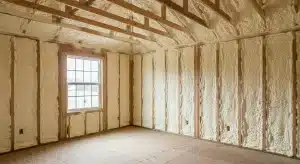
Your home’s walls are the primary barrier against the outdoors, but if they rely on outdated insulation, you’re likely losing a significant amount…
Read article →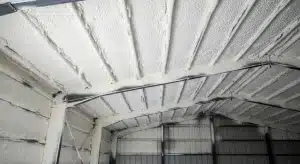
When insulation is missing from an attic or roof cavity, the consequences extend far beyond an uncomfortable living space.
Read article →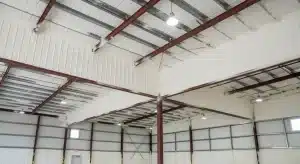
Feeling the chill of a draft in the winter or the oppressive heat of summer inside your own home is more than just an inconvenience.
Read article →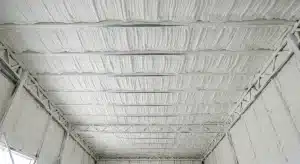
Office noise is more than just a minor annoyance; it directly impacts concentration, productivity, and employee well-being.
Read article →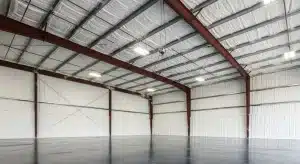
Spray foam insulation is a highly effective material for soundproofing homes because it addresses noise in two distinct ways.
Read article →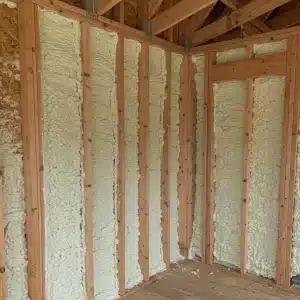
Spray foam insulation seals air leaks and adds a moisture barrier in one application.
Read article →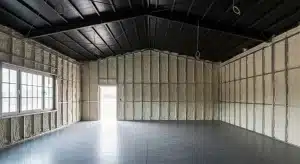
Spray foam insulation offers strong protection against mice. The material expands to fill gaps and forms a solid barrier that rodents struggle to…
Read article →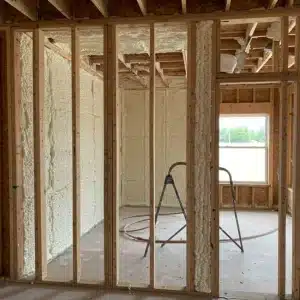
Spray foam insulation off-gasses for a short period after installation, with most volatile compounds releasing within the first 24 to 72 hours.
Read article →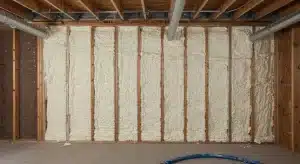
Spray foam insulation stands out as a safe option for most homes and buildings when professionals install it correctly.
Read article →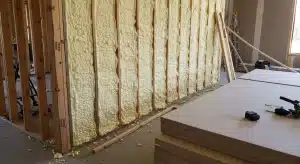
Spray foam insulation often proves worth the investment for homeowners seeking long-term energy savings and better comfort, especially in hot…
Read article →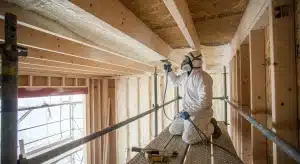
Spray foam insulation offers R-values from 3.5 to 7 per inch, depending on the type used.
Read article →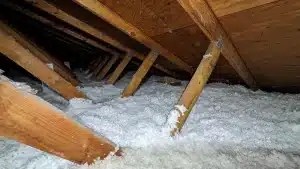
Attic insulation directly influences indoor comfort in Spring Valley homes across all seasons.
Read article →Call (702) 904-9895 or request your free visit online.
Schedule an Appointment TodayQuestions
Residential spray foam insulation is a type of insulation applied as a liquid that expands into a foam, creating an air-tight barrier. It is used in walls, attics, crawl spaces, and other areas to improve energy efficiency by reducing air leakage.
Spray foam insulation expands upon application, filling gaps and cracks in building materials. This creates a sealed layer that helps prevent air movement, improving thermal resistance and moisture control.
There are two main types: open-cell and closed-cell spray foam. Open-cell is less dense, offers sound dampening, and is typically used in interior applications. Closed-cell is denser, provides a higher R-value, and adds structural strength and moisture resistance.
When installed properly by trained professionals, spray foam insulation is safe. It should only be applied with appropriate ventilation and protective equipment during installation, as the chemicals used need time to cure.
Spray foam insulation can last over 20 years without degrading when properly installed. It doesn’t sag or settle like traditional insulation materials.
Open-cell spray foam typically has an R-value around 3.5 to 3.7 per inch, while closed-cell spray foam has an R-value of about 6 to 7 per inch. R-value indicates thermal resistance; higher values mean better insulation performance.
Spray foam can be applied in attics, walls, basements, crawl spaces, rim joists, and around windows and doors. It is suitable for both new construction and retrofit projects.
Yes, spray foam insulation improves a home’s energy efficiency by reducing air leaks and maintaining indoor temperatures. Homeowners often see noticeable reductions in heating and cooling costs.