If you’ve lived through a Las Vegas summer, you know just how brutal the heat can be. With daily highs easily topping 100°F, keeping your home cool isn’t just about comfort, it’s about survival and savings. And while many homeowners assume their insulation is doing its job, the truth is not all insulation is built to handle this kind of desert heat.
That’s where the debate comes in: Should you stick with traditional insulation like fiberglass or cellulose, or is spray foam the better option for the Vegas climate?
Let’s break it down in plain language, so you can make the smartest decision for your home and wallet.
Why Good Insulation Matters So Much in Vegas
Las Vegas isn’t just hot, it’s dry, dusty, and gets more than 300 days of sun every year. That mix creates serious pressure on your home’s cooling system. If your insulation can’t hold the cool air in and the heat out, you’re basically throwing money out the window.
Here’s why insulation is a big deal here:
- It helps your home stay cooler longer without constantly running the AC.
- It seals up tiny air gaps that let hot air sneak in.
- It keeps out moisture, dust, and even pests.
- It helps your HVAC system last longer because it doesn’t have to work so hard.
Spray Foam vs. Traditional Insulation: What’s the Real Difference?
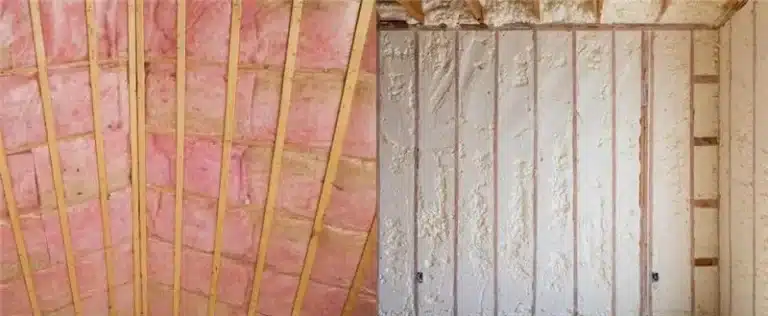
There’s a reason spray foam insulation is gaining popularity, especially in hotter climates like Nevada. Here’s how it stacks up next to more common options like fiberglass and cellulose:
Traditional materials mostly rely on being thick and fluffy to block heat. But spray foam goes beyond that. It expands to fill every crack, gap, and crevice, creating a barrier that blocks both heat and airflow.
Energy Efficiency: The Vegas Challenge
Let’s be honest, cooling a home in Las Vegas isn’t cheap. And if your insulation isn’t doing its job, you’re probably paying more than you need to.
Spray foam is especially good at stopping the kind of heat transfer and air leakage that are so common in older Vegas homes. Traditional insulation might slow down the heat, but it still allows hot air to seep through gaps around pipes, vents, and wall joints.
Homeowners who switch to spray foam often report energy savings of 30-40% annually.
That’s real money saved, every single month.
Dealing with Air, Dust, and Dry Conditions
You wouldn’t think moisture would be a problem in the desert, but it can still build up inside walls, especially around AC units or bathrooms. And dust? That’s just a fact of life in Vegas.
- Fiberglass can let air, allergens, and dust drift through over time.
- Cellulose can absorb some moisture and is known to settle unevenly.
- Spray foam, on the other hand, acts like a sealant. It keeps out both moisture and fine particles, giving your home an edge against indoor air quality issues.
How Long Does Each Type of Insulation Last?
If you’re spending money on home improvements, you want something that will last, right?
Here’s the thing: traditional insulation breaks down. Over time, fiberglass gets squished, cellulose settles, and both can shift out of place.
Spray foam Insulation is different. It hardens into a solid shape that doesn’t move around or wear out. In many cases, it’ll last the lifetime of your home.
Upfront Cost vs. Long-Term Value
Yes, spray foam can cost more upfront than fiberglass or cellulose. But the real question is: What are you getting for that extra cost?
Traditional options might look cheaper on day one, but spray foam can pay off over time through savings on your energy bills.
Even a small air leak can cause up to 30% loss in cooling efficiency.
In a place like Las Vegas, where your AC is practically running non-stop, that’s no small deal.
So, Which One Should You Choose?
If you live in Las Vegas, or anywhere else with a similar climate, the smart move is spray foam. Here’s why:
- It seals out hot air and keeps cool air in.
- It lasts longer and doesn’t settle or sag.
- It keeps your energy bills lower year after year.
- It helps keep dust, allergens, and even insects out.
While fiberglass and cellulose still have their uses, they simply weren’t designed to handle the intense heat and dryness that Southern Nevada throws at your home.
What kind of insulation works best in Las Vegas?
Spray foam is the top choice for desert climates because it seals out heat, dust, and moisture better than traditional insulation.
Is spray foam worth the higher upfront cost?
Yes. It lasts longer, performs better, and helps lower your monthly energy bills, which adds up to serious long-term savings.
How long does spray foam insulation last?
Properly installed, spray foam can last 30 years or more, often outliving traditional insulation by decades.
What if my home already has fiberglass insulation?
You may still benefit from upgrading. Many homeowners choose to remove or top off old fiberglass with spray foam for better performance.
Will I really notice a difference on my energy bill?
Absolutely. Many Las Vegas homeowners see a 20-40% drop in cooling costs after switching to spray foam insulation.