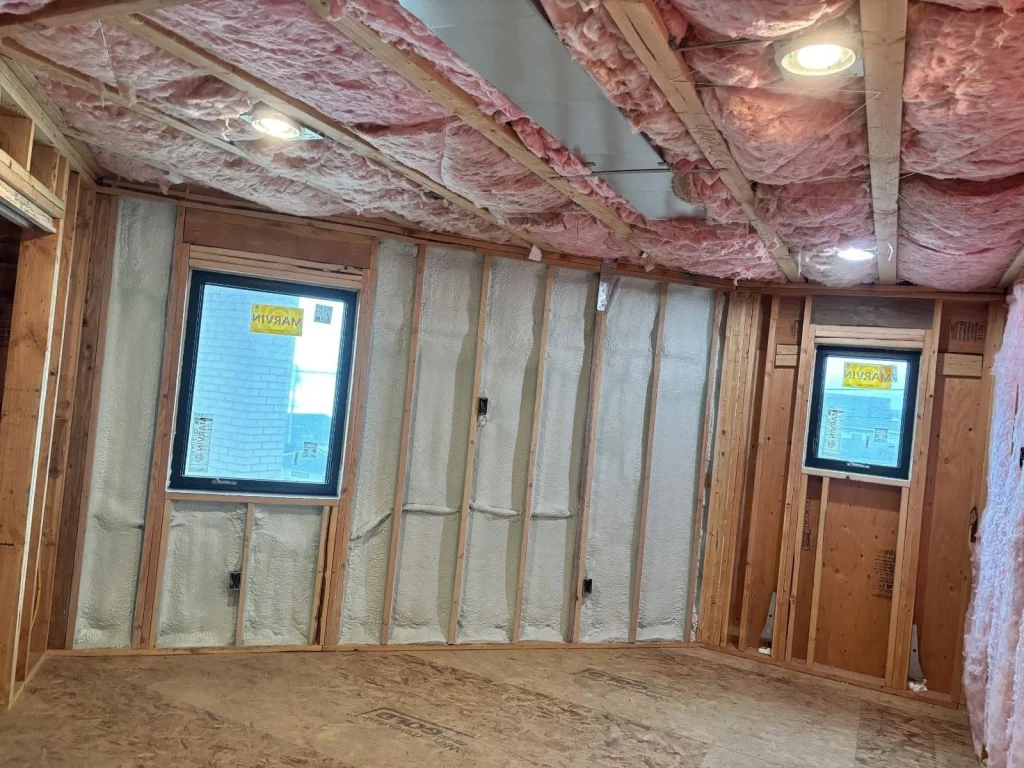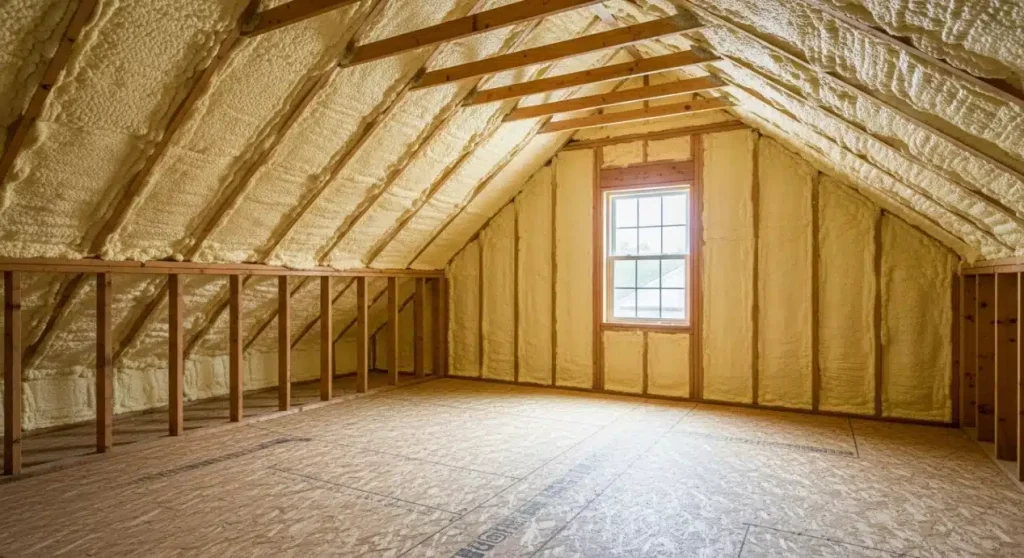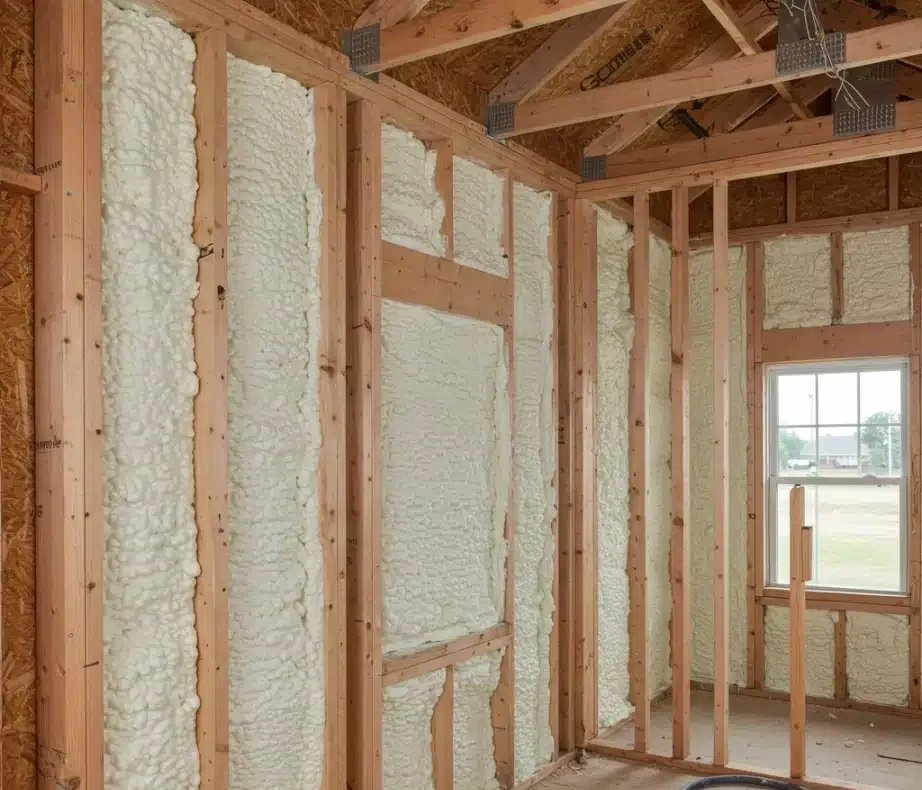

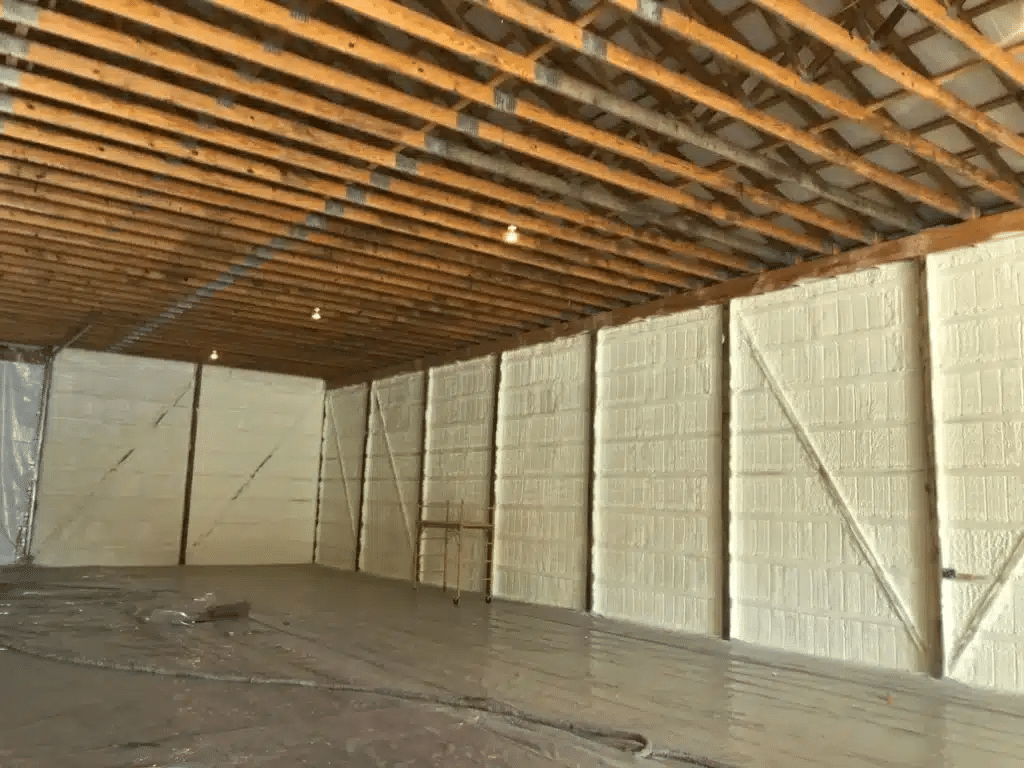
Commercial buildings demand high-performance insulation solutions that can withstand the unique challenges of larger-scale construction. Whether you are managing a warehouse, office complex, retail space, or industrial facility, the thermal performance of your building envelope directly impacts operational costs, occupant comfort, and long-term durability. Spray foam insulation has emerged as one of the most effective options for commercial applications, offering superior air sealing, high R-values, and moisture resistance that traditional insulation materials simply cannot match. If you have been searching for a comprehensive guide that walks you through the entire process, from understanding the fundamentals to executing a professional installation, you have come to the right place.
This guide draws on decades of hands-on experience in the commercial spray foam industry. We have distilled everything you need to know into a single, authoritative resource that covers foundational concepts, detailed installation procedures, material selection, safety requirements, and strategies for measuring success. By the time you finish reading, you will have a complete understanding of what commercial insulation involves, how to plan your project, and what steps ensure the best possible outcome for your building.
What You Will Learn
This guide is organized to take you through every stage of a commercial insulation project. You will start by understanding what spray foam insulation is and why it matters for commercial buildings. From there, you will learn about the two primary types of spray foam and how to select the right one for your specific application. The step-by-step installation process is broken down into clear, actionable phases, including site preparation, equipment setup, application techniques, and finishing work. Additional sections address common challenges, building code compliance, measuring performance and return on investment, and future trends shaping the industry. A dedicated FAQ section answers the most frequently asked questions, and a brief conclusion reinforces the key takeaways.
Understanding Commercial Spray Foam Insulation
What Is Spray Foam Insulation?
Spray polyurethane foam, commonly referred to as spray foam, is a two-component liquid mixture that expands into a rigid foam when applied to surfaces. The two chemicals, isocyanate and polyol resin, are combined at the tip of a spray gun, where they react and rapidly expand to fill cavities, gaps, and crevices. This expansion allows spray foam to create a continuous air barrier that conforms to any shape, making it particularly effective for commercial buildings with complex architectural features, irregular surfaces, and numerous penetrations.
The origins of spray foam date back several decades, but its use in commercial construction has grown substantially over the past twenty years. According to data from Global Market Insights, the global spray foam market was valued at USD 2.4 billion in 2023 and is projected to grow at a compound annual growth rate exceeding 6.2% through 2032. This growth reflects the increasing demand for energy-efficient insulation solutions across residential, commercial, and industrial sectors. North America alone accounts for roughly 75% of the market revenue share, driven by high construction activity and stringent energy codes.
Why Spray Foam Matters for Commercial Buildings
Commercial buildings present unique insulation challenges that differ significantly from residential projects. These structures often feature large roof spans, multiple stories, high ceilings, and complex mechanical systems that create countless opportunities for air leakage. Traditional insulation materials like fiberglass batts or loose-fill cellulose struggle to seal these gaps effectively, leading to energy losses that compound over time.
Spray foam addresses these challenges in several important ways. First, its expansion properties allow it to fill every void and seam, creating an uninterrupted thermal barrier. Second, both open-cell and closed-cell formulations provide high R-values per inch, meaning you achieve superior thermal resistance without excessive material thickness. Third, spray foam acts as both insulation and air sealant in a single application, eliminating the need for separate weatherization measures. Fourth, closed-cell spray foam adds structural rigidity to wall and roof assemblies, which is particularly valuable in commercial construction where long spans and wind loads demand enhanced structural performance.
For building owners and facility managers, the benefits translate into lower heating and cooling costs, reduced maintenance, improved indoor air quality, and compliance with modern building codes. For contractors, spray foam offers a versatile solution that adapts to virtually any commercial application, from roof decks and exterior walls to crawl spaces and mechanical rooms.
Expert Tip: Before selecting any insulation material, conduct a thorough energy audit of your commercial building. Understanding where air leakage occurs and where thermal bridges exist will help you prioritize the areas that benefit most from spray foam application.
Types of Spray Foam: Open Cell vs. Closed Cell
Choosing between open-cell and closed-cell spray foam is one of the most critical decisions in planning a commercial insulation project. Each type has distinct characteristics, advantages, and ideal applications. Understanding these differences will help you make an informed choice that aligns with your building’s requirements, climate zone, and budget.
Open-Cell Spray Foam
Open-cell spray foam is a lighter, softer material with a sponge-like texture. Its cells are not fully encapsulated, meaning they contain air rather than gas. This gives open-cell foam a lower density, typically between 0.4 and 0.8 pounds per cubic foot. The result is a softer, more flexible insulation that expands significantly upon application.
Open-cell foam offers several advantages that make it attractive for certain commercial applications. Its lower material density translates to cost savings, as you can achieve adequate thermal performance with less material by weight. The flexible structure also makes it excellent for sound absorption, reducing noise transmission between rooms and from exterior sources. Open-cell foam is vapor-permeable, allowing moisture to diffuse through the material rather than becoming trapped, which can be beneficial in controlled environments where condensation management is carefully addressed.
The thermal performance of open-cell spray foam typically yields an R-value between R-3.5 and R-3.8 per inch. While this is lower than closed-cell foam, it still provides meaningful thermal resistance, and the material’s expansion characteristics allow it to achieve effective coverage in many applications. Open-cell foam is best suited for interior wall cavities, ceiling assemblies, and rooflines where moisture exposure is minimal.
Closed-Cell Spray Foam
Closed-cell spray foam is a denser, more rigid material with cells that are fully encapsulated and tightly packed together. This structural difference gives closed-cell foam a density ranging from 1.5 to 2.0 pounds per cubic foot, creating a much harder, more durable insulation layer. The encapsulated cells contain a gas that provides superior thermal resistance, yielding R-values between R-6.0 and R-7.0 per inch.
Closed-cell foam provides several distinct advantages for commercial applications. Its higher R-value means you need less material thickness to achieve the same thermal performance, which is particularly valuable in space-constrained assemblies or where existing structural dimensions limit insulation depth. The material’s rigidity adds structural strength to wall and roof assemblies, increasing wind load resistance and impact resistance. Closed-cell foam is also highly resistant to water and moisture penetration, making it the preferred choice for below-grade applications, building exteriors, and areas prone to water exposure.
The trade-off is cost. Closed-cell spray foam is more expensive per board foot than open-cell foam, both in material and application labor. However, when you factor in the enhanced performance, moisture resistance, and structural benefits, closed-cell foam often delivers superior long-term value, particularly in demanding commercial environments.
Comparing Open-Cell and Closed-Cell Spray Foam
| Property | Open-Cell Spray Foam | Closed-Cell Spray Foam |
|---|---|---|
| Density | 0.4 to 0.8 lb/ft³ | 1.5 to 2.0 lb/ft³ |
| R-Value per Inch | R-3.5 to R-3.8 | R-6.0 to R-7.0 |
| Moisture Resistance | Permeable, not a vapor barrier | Resistant, acts as a vapor barrier |
| Sound Absorption | Excellent | Good |
| Structural Enhancement | Minimal | Significant |
| Cost per Board Foot | Lower | Higher |
| Ideal Applications | Interior walls, ceilings, and rooflines | Exterior walls, below-grade, and roofs |
Expert Tip: In many commercial retrofits, a hybrid approach works best. Use closed-cell foam on exterior walls and roof assemblies where maximum thermal performance and moisture resistance are needed, then apply open-cell foam in interior wall cavities where sound absorption and cost efficiency are priorities.

Step-by-Step Installation Process
The installation process for commercial insulation involves several distinct phases, each requiring careful attention to detail. Skipping steps or cutting corners during any phase can compromise the performance of the insulation and lead to costly callbacks, customer complaints, or structural issues. The following sections walk you through each phase in detail.
Phase 1: Pre-Installation Planning and Site Assessment
Before any spray foam is applied, thorough planning ensures the project runs smoothly and achieves the desired results. This phase typically spans one to two weeks for a medium-sized commercial project and involves several key activities.
First, conduct a comprehensive site assessment to document the building’s current condition, identify areas requiring insulation, and flag any existing moisture issues, structural damage, or code compliance concerns. Note the location of all electrical wiring, plumbing, HVAC components, and other penetrations that may require special handling or temporary removal during application. Identify access points for equipment and material delivery, paying particular attention to ceiling height, door dimensions, and staging areas.
Next, review the project specifications and building codes to determine the required R-values and any special requirements for your climate zone and building type. Commercial buildings in different jurisdictions may face varying insulation mandates, fire ratings, and vapor barrier requirements. Confirm these details with the local building authority before proceeding.
Finally, develop a detailed project timeline that accounts for material lead times, crew scheduling, and any required building evacuations. Communicate this timeline to building occupants and adjacent contractors so they can plan accordingly. If the project involves occupied spaces, coordinate with the building manager to establish safe work zones and re-entry protocols.
Phase 2: Surface Preparation
Proper surface preparation is essential for achieving strong adhesion and uniform coverage. All surfaces receiving spray foam must be clean, dry, and free of contaminants that could interfere with bonding.
Begin by removing any existing insulation, debris, or loose materials from the application areas. Inspect steel studs, wooden framing members, and concrete surfaces for rust, rot, moisture damage, or biological growth. Repair or replace any compromised materials before proceeding. Clean all surfaces with a soft brush or compressed air to remove dust, dirt, and loose particles. If oil, grease, or other contaminants are present, use an appropriate solvent cleaner and allow the surface to dry completely.
Protect areas that should not receive spray foam. Cover windows, door frames, mechanical equipment, and any exposed surfaces that could be damaged by overspray. Use plastic sheeting, cardboard, or commercially available masking products designed for spray foam applications. Pay particular attention to sealing gaps around penetrations where wiring and plumbing enter walls, as these areas are common sources of air leakage and should be properly prepared before foam application.
Check substrate temperatures before application. Most spray foam manufacturers specify minimum substrate temperatures, typically between 40°F and 60°F, depending on the product. Applying foam to cold surfaces can result in poor adhesion, incomplete expansion, and inconsistent cell structure. In colder climates or during winter months, consider using temporary heating equipment to bring substrate temperatures within the acceptable range.
Expert Tip: Moisture is the enemy of spray foam adhesion. Even seemingly dry surfaces may contain hidden moisture that can compromise the bond. If you are unsure about substrate conditions, use a moisture meter to verify that surfaces are within acceptable limits before spraying.
Phase 3: Equipment Setup and Calibration
Commercial spray foam installation requires specialized equipment that proportioning mixes and heats the two chemical components before delivering them to the spray gun. Proper equipment setup and calibration are critical for achieving consistent foam quality, proper yield, and safe operation.
The main equipment components include proportioning units, heated hoses, spray guns, and personal protective equipment. Proportioning units control the ratio of isocyanate to polyol resin, typically maintaining a 1:1 ratio by volume. Most commercial-grade systems feature electronic temperature controls that heat both components to the manufacturer’s specified temperature, usually between 110°F and 130°F, to ensure proper mixing and atomization.
Before beginning the application, run a test pattern to verify that the equipment is functioning correctly. Check the output pattern on a piece of cardboard or paper, looking for a consistent, fan-shaped spray that shows uniform mixing. Adjust the spray gun pressure and tip size if the pattern appears uneven or if the foam does not expand properly. Consult the equipment manufacturer’s instructions and the product technical data sheet for specific calibration settings.
Verify that all transfer pumps, drums, and connection fittings are properly sealed and free of leaks. Isocyanate exposure can cause serious respiratory and skin irritation, so any leaks must be addressed immediately. Ensure that the work area is properly ventilated and that all applicators are wearing the appropriate personal protective equipment before proceeding.
Phase 4: Applying Spray Foam
With preparation and equipment setup complete, you are ready to begin applying spray foam. This phase requires attention to technique, thickness control, and coverage consistency.
Apply foam in multiple passes rather than attempting to achieve the target thickness in a single pass. Each pass should be limited to approximately 1.5 to 2 inches of finished thickness. Spraying too thick in a single pass can generate excessive heat, leading to charring, voids, or poor cell structure. Allow each pass to cure partially before applying the next layer, typically waiting 30 seconds to 1 minute between passes, depending on product and ambient conditions.
Hold the spray gun at a consistent distance from the substrate, typically 6 to 12 inches, depending on the gun and tip configuration. Move the gun in a steady, controlled motion, slightly overlapping each pass to ensure uniform coverage. Maintain a consistent application speed to achieve even thickness across the entire surface. For vertical surfaces, apply foam from the bottom up to minimize sagging and dripping.
Pay special attention to corners, edges, and penetrations where air leakage is most likely to occur. Use a back-and-forth technique to ensure foam fills tight spaces completely. For areas with limited access, use extension nozzles or specialized applicator tips designed for tight cavities. Inspect completed sections periodically to identify any voids, thin spots, or areas requiring additional coverage.
Monitor environmental conditions throughout the application process. Temperature, humidity, and air movement can all affect foam expansion, cure time, and final performance. Most spray foam products perform optimally within a temperature range of 60°F to 80°F and relative humidity below 60%. If conditions drift outside these ranges, adjust your technique or suspend application until conditions improve.
Expert Tip: When spraying around electrical boxes, leave a gap of approximately 1/2 inch between the foam and any electrical components. This gap provides a fire safety margin and allows for future maintenance access without damaging the foam insulation.
Phase 5: Trimming, Inspection, and Finishing Work
After the foam has fully cured, typically within 24 hours, depending on product, temperature, and thickness, inspect the installation and perform any necessary trimming or finishing work.
Use a handsaw, utility knife, or specialized foam cutting tool to trim any excess foam that extends beyond the desired plane. The goal is to create a clean, flush surface that will accept finishing materials without gaps or voids. Take care to avoid compressing or damaging the foam during trimming.
Inspect all joints, seams, and penetrations for continuity. Any gaps or voids should be filled with additional spray foam or an appropriate sealant. Pay particular attention to areas where foam meets other building materials, such as window frames, door frames, and roof edges. These transition points are common sources of air leakage if not properly sealed.
When the installation is complete and passes inspection, install any required protective coverings or ignition barriers if the local building code requires them. Some jurisdictions mandate that spray foam in accessible locations be covered with a thermal barrier, such as drywall, to meet fire safety requirements. Check with your local building authority to confirm the applicable requirements for your project.
Safety Requirements and Best Practices
Spray foam insulation involves handling potentially hazardous chemicals, and strict safety protocols are essential for protecting applicators, building occupants, and the surrounding environment. The U.S. Environmental Protection Agency provides comprehensive guidance on safer workplace practices for spray polyurethane foam installation, emphasizing that exposure prevention should be the primary focus at every stage of the process.
Personal Protective Equipment
Applicators and helpers must wear appropriate personal protective equipment at all times during spray foam application. This includes a supplied-air respirator or approved respirator cartridge rated for organic vapors and isocyanates, chemical-resistant gloves (nitrile or similar), and chemical-resistant coveralls or protective clothing. Eye protection, such as goggles or a full-face shield, is also essential.
OSHA has implemented a National Emphasis Program specifically targeting isocyanate exposure in the workplace, reflecting the serious health risks associated with these chemicals. Proper training on the use, maintenance, and limitations of respiratory protection is mandatory. All applicators should receive medical surveillance before beginning work with isocyanates, as recommended by the EPA and product manufacturers.
Building Evacuation and Re-Entry Protocols
One of the most critical safety measures involves evacuating building occupants during spray foam application. The EPA recommends that all building occupants, including workers in adjacent areas, vacate the premises during installation of spray polyurethane foam products. This includes pets and any other occupants who might be present.
For commercial buildings that remain partially occupied, isolate the work zone completely using plastic sheeting, temporary barriers, and warning signs. Establish negative pressure ventilation in the work area to prevent chemical vapors from migrating to occupied spaces. Post clear re-entry guidance at all access points, and ensure that occupants understand the timeline and any precautions they should take.
Re-entry times vary depending on the product used, the area of application, the ventilation conditions, and the curing environment. The EPA advises exercising caution when determining safe re-entry times, as premature re-entry can expose occupants to harmful chemicals. Consult the product manufacturer’s guidance and discuss specific timelines with your contractor before the project begins.
Expert Tip: For large commercial projects, consider scheduling spray foam application during off-hours or weekends when the building can be fully evacuated and properly ventilated without disrupting normal operations. This approach minimizes exposure risks and allows adequate cure time before occupants return.
Environmental and Health Considerations
Spray foam chemicals contain isocyanates, which can cause respiratory irritation, skin sensitization, and other health effects if handled improperly. The EPA notes that traditional products often contain volatile organic compounds that can release harmful fumes during installation, prompting calls for stricter safety standards and the development of eco-friendly alternatives.
Modern manufacturers are responding by developing low-VOC formulations, water-blown foams, and products using hydrofluoroolefin blowing agents with significantly lower global warming potential. These greener options address both environmental concerns and occupant health, expanding the range of suitable products for commercial applications where sustainability is a priority.
When selecting spray foam products for your project, ask your contractor about the environmental attributes of the materials being used, including VOC emissions, blowing agent type, and any relevant certifications or third-party verifications. Many manufacturers now offer products that qualify for LEED credits and other green building certifications.
Common Challenges and How to Overcome Them
Even experienced applicators encounter challenges during commercial insulation projects. Recognizing potential issues and knowing how to address them proactively will save time, reduce costs, and ensure a successful installation.
Temperature and Humidity Fluctuations
Spray foam performance is highly sensitive to environmental conditions. Applying foam in temperatures below the manufacturer’s minimum threshold can result in poor adhesion, incomplete expansion, and chalky, weak foam that does not achieve the target R-value. Similarly, high humidity can cause surface moisture that interferes with bonding.
Solution: Use temporary heating or cooling equipment to maintain application conditions within the specified range. Monitor temperature and humidity throughout the project, and adjust your schedule if conditions become unfavorable. Some manufacturers offer cold-weather formulations that tolerate lower application temperatures, which can extend the construction season in northern climates.
Inconsistent Coverage and Thickness
Achieving uniform coverage across large commercial surfaces requires consistent technique and careful attention to application patterns. Inexperienced applicators may apply foam too thin in some areas and too thick in others, leading to thermal inconsistencies and potential condensation issues.
Solution: Establish a systematic application pattern and adhere to it throughout the project. Mark target thickness levels on studs or substrates as a visual guide during application. Periodically measure foam depth to verify that coverage meets specifications. Provide additional training for applicators who show inconsistent technique.
Chemical Odors and Post-Installation Occupant Sensitivity
Some building occupants report lingering chemical odors or sensitivity symptoms after spray foam installation. This can result from incomplete curing, inadequate ventilation during application, or the use of products with higher VOC emissions.
Solution: Ensure proper ventilation throughout the application and cure periods. Use low-VOC or water-blown products where occupant sensitivity is a concern. Allow adequate cure time before re-occupancy, and provide clear communication to occupants about what to expect during and after the installation. If persistent odors occur, consult the product manufacturer and consider engaging an indoor air quality professional to assess conditions.
Equipment Malfunctions and Downtime
Commercial insulation equipment is complex, and mechanical failures can bring a project to a standstill. Common issues include pump failures, hose clogs, temperature control malfunctions, and chemical ratio drift.
Solution: Establish a preventive maintenance schedule that includes daily equipment checks, regular cleaning, and periodic calibration verification. Keep spare parts and backup equipment on hand for critical components. Train all applicators on basic troubleshooting so they can address minor issues quickly without waiting for specialized support.
Building Code Compliance and Energy Standards
Commercial buildings must meet increasingly stringent energy codes and insulation requirements. Understanding these mandates is essential for ensuring that your spray foam installation complies with applicable regulations and qualifies for any available incentives.
IECC Requirements
The International Energy Conservation Code sets minimum insulation requirements for commercial buildings, including specific R-values for walls, roofs, and floor assemblies based on climate zone. The 2021 IECC and subsequent editions mandate continuous insulation requirements that apply across all building types, including modular construction. Spray foam, particularly closed-cell formulations, is well-suited to meeting these continuous insulation requirements due to its high R-value per inch and air-sealing capabilities.
R-value measures the ability of a material to resist heat flow, with higher values indicating better thermal resistance. Commercial buildings in colder climates typically require higher R-values than those in warmer regions. For example, roof assemblies in climate zones 5 through 8 often require R-30 to R-49 insulation, while wall assemblies may require R-20 to R-25 depending on construction type and climate zone.
LEED and Green Building Certifications
Many commercial projects pursue LEED certification or similar green building ratings that reward energy efficiency, sustainable materials, and enhanced indoor air quality. Spray foam insulation can contribute to several LEED credits, including those related to thermal comfort, minimum energy performance, and materials and resources. Products with low VOC emissions, recycled content, or third-party environmental certifications may also qualify for credits related to indoor air quality and sustainable sourcing.
Tax Incentives and Rebates
Federal, state, and local governments frequently offer tax incentives, rebates, and grants for energy-efficient improvements in commercial buildings. These programs vary widely by jurisdiction and change frequently, so it is worth researching available opportunities before beginning your project. The Database of State Incentives for Renewables and Efficiency provides a searchable resource for identifying current programs in your area.
Measuring Success: Performance and ROI
Understanding how to measure the success of your spray foam installation ensures that you can verify the investment delivers the expected benefits and provides documentation for future reference.
R-Value Verification
The R-value of installed spray foam can be verified through several methods. Nominal R-values represent the manufacturer’s advertised value of the insulation product, while effective R-values represent the actual thermal resistance you can expect from the complete construction assembly in real-world conditions. Effective R-values are often lower than nominal values due to factors such as air gaps, voids, thermal bridging from fasteners, and aging.
Testing or specialized software can determine the effective R-value for your specific assembly. Heat flow meter tests and thermographic imaging are common verification methods that provide empirical data on thermal performance. These tests are particularly valuable for projects where code compliance requires demonstrated R-values or where energy modeling relies on accurate thermal inputs.
Energy Savings Calculation
The actual energy savings from spray foam insulation depend on several factors, including the building’s current insulation levels, HVAC efficiency, climate zone, occupancy patterns, and local utility rates. Energy modeling software can project savings based on realistic assumptions, and utility companies sometimes offer free or discounted energy assessments that include insulation upgrades in their analysis.
Industry data suggests that spray foam insulation can reduce heating and cooling energy costs by 20% to 50% compared to conventional insulation materials like fiberglass. For a large commercial building with significant heating and cooling loads, these savings can translate to thousands of dollars annually, often recouping the installation cost within three to seven years, depending on project scope and local energy prices.
Moisture and Condensation Control
Beyond energy savings, spray foam insulation provides important benefits related to moisture management and condensation control. By creating a continuous air barrier, spray foam reduces the movement of warm, humid air into wall and roof cavities where it can condense on cold surfaces, leading to mold growth, wood rot, and structural damage. Closed-cell spray foam’s resistance to water penetration adds an additional layer of protection in areas exposed to moisture.
Future Trends in Commercial Spray Foam Insulation
The spray foam industry continues to evolve in response to changing building codes, environmental regulations, and market demands. Several key trends are shaping the future of commercial insulation.
Sustainability is driving significant product innovation. Manufacturers are developing bio-based polyol formulations derived from renewable plant materials, reducing reliance on petroleum-based chemicals and lowering the carbon footprint of insulation products. Water-blown foams that eliminate ozone-depleting blowing agents are becoming more widely available, and low-GWP formulations are replacing older products with high global warming potential.
Retrofit and renovation projects represent a growing market segment. As building owners seek to improve the energy efficiency of existing commercial structures without major renovations, spray foam insulation offers an attractive solution that can be applied to walls, roofs, and floor assemblies with minimal disruption to building operations. This trend is particularly strong in markets with aging building stock and aggressive energy efficiency mandates.
Technological advances in application equipment are improving efficiency and reducing waste. Robotic spraying systems, improved proportioning controls, and smartphone-enabled monitoring are making it easier to achieve consistent results across large commercial projects. These technologies also reduce worker exposure to chemical hazards by automating some of the most labor-intensive aspects of the application process.
Putting Your Commercial Spray Foam Strategy into Action
This guide has walked you through everything you need to know about commercial insulation, from foundational concepts to detailed installation procedures. You now understand the critical differences between open-cell and closed-cell foam, the step-by-step process for executing a professional installation, the safety requirements that protect workers and occupants, and the strategies for measuring success.
The most important takeaway is that commercial insulation is a system, not just a material. Success depends on proper planning, surface preparation, equipment calibration, application technique, and post-installation inspection. Each phase is interconnected, and shortcuts in any area can compromise the performance and longevity of the insulation.
If your commercial building needs improved thermal performance, reduced energy costs, and enhanced occupant comfort, spray foam insulation deserves serious consideration. The initial investment may be higher than conventional insulation materials, but the long-term benefits, including energy savings, moisture protection, and structural enhancement, often deliver superior return on investment.
Need Expert Guidance?
Planning a commercial insulation project requires careful attention to detail and a thorough understanding of local codes, climate considerations, and building-specific requirements. If you need expert guidance on your next project, our team at Supreme Spray Foam LV is here to help. We bring years of hands-on experience in commercial insulation applications, from initial assessment through final inspection.
For professional consultation, reach out via email at [email protected] or call us directly at (702) 904-9895. We would be glad to discuss your project requirements, answer your questions, and provide a detailed assessment tailored to your building’s specific needs.
Frequently Asked Questions About Commercial Spray Foam Insulation
How long does spray foam insulation take to cure before a commercial building can be reoccupied?
Cure times vary depending on the product formulation, application thickness, temperature, and humidity. Most spray foam products require 24 hours for initial cure, though some low-VOC formulations may require longer periods. Your contractor should provide specific re-entry guidance based on the products used and the ventilation conditions in your building.
Is spray foam insulation safe for buildings with occupants who have chemical sensitivities?
A: When properly installed with adequate ventilation and sufficient cure time, spray foam insulation is safe for most building occupants. However, individuals with a history of respiratory conditions, chemical sensitivities, or isocyanate sensitization should discuss alternatives with their healthcare provider and contractor before proceeding.
Can spray foam be applied over existing insulation?
A: In most cases, existing insulation should be removed before applying spray foam. This ensures proper adhesion to the substrate and allows inspection for any moisture issues or structural damage that might be hidden beneath the existing insulation. Your contractor can assess whether removal is necessary based on the existing materials and their condition.
What is the difference between open-cell and closed-cell spray foam for commercial roofs?
Closed-cell spray foam is generally preferred for roof applications due to its higher R-value per inch, moisture resistance, and structural enhancement. Open-cell foam can be used in roof assemblies in limited circumstances, but it typically requires additional moisture protection and may not meet the R-value requirements for many commercial roof applications.
How do I verify that my spray foam installation meets code requirements?
Verify code compliance by checking with your local building authority for the applicable insulation requirements for your building type and climate zone. Request documentation from your contractor that confirms the products used, the installed R-value, and any required inspections or testing. Third-party testing services can provide independent verification of thermal performance.
Sources
- Safer Workplace Practices for Spray Polyurethane Foam Installation – EPA guidance on safety protocols, personal protective equipment, and exposure prevention for spray foam applications
- Open-Cell vs. Closed-Cell Spray Foam: Which One Should You Use? – Technical comparison of open-cell and closed-cell spray foam properties, benefits, and ideal applications
- Guidance on Best Practices for the Installation of Spray Polyurethane Foam – Industry guidance document covering preparation steps, application techniques, and quality assurance for SPF installation

- How Do You Choose the Right Insulation for a Las Vegas, NV Property Without Guesswork? - September 16, 2026
- What Questions Should Peccole Ranch, NV Property Owners Ask About Spray Foam Insulation? - September 16, 2026
- Where Can Spray Foam Insulation Be Used When Access Is Limited or Restricted? - September 15, 2026