
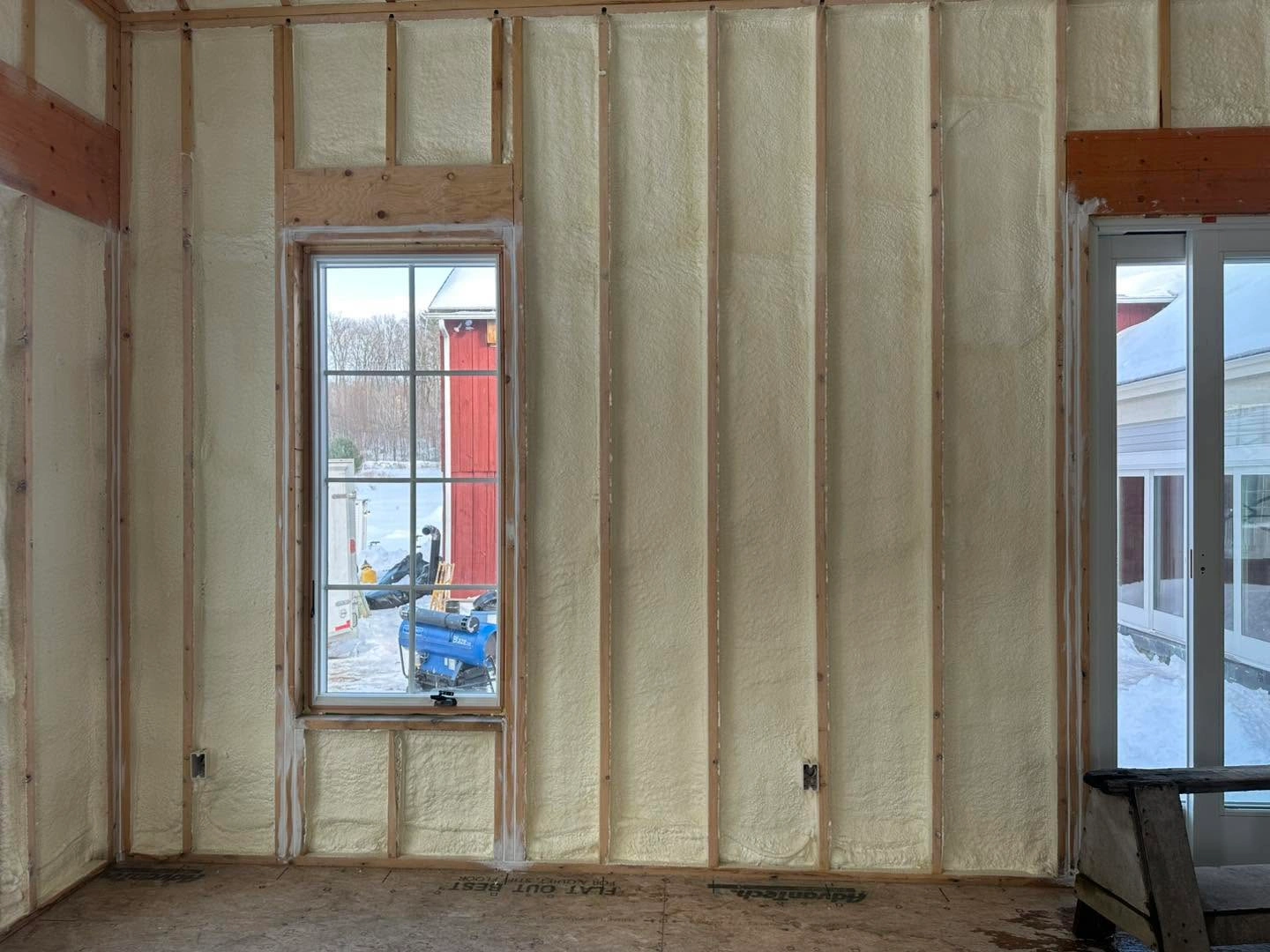
Residential insulation is one of the most practical defenses a homeowner can invest in to manage long-term energy costs as electricity demand intensifies, heating fuel prices fluctuate, and climate extremes become more frequent. By reducing unwanted heat transfer through the building envelope, insulation directly lowers the amount of energy needed to maintain comfortable indoor temperatures year-round. The right insulation strategy depends on your home’s age, climate zone, existing construction, and whether you are building new or retrofitting. For homeowners in regions like Las Vegas, where cooling demands dominate, the approach differs from colder northern climates, but the principle remains the same: a well-insulated home is a home that wastes less energy now and is better prepared for whatever energy costs look like in ten or twenty years.
TL;DR
- Approximately 40% of all energy consumption is tied to buildings, with heating and cooling making up the largest share of residential energy use.
- The U.S. average household consumed 76.7 million BTU of site energy in 2020, with colder-state homes using significantly more than warmer-state homes.
- Older homes built before 1970 are far more likely to have poor or no insulation, driving substantially higher energy use for space heating.
- Sealing air leaks and adding insulation can deliver up to 10% savings on annual household energy bills, according to ENERGY STAR.
- Building codes in the U.S. set minimum R-value requirements by climate zone, but meeting code minimums does not future-proof a home for rising demands.
- Spray foam insulation provides both thermal resistance and an air barrier in a single application, making it especially effective for retrofit and new construction in extreme climates.
- As electricity becomes the primary heating and cooling fuel for a growing share of homes, reducing electrical demand through insulation becomes a direct strategy against rising utility costs.
Why Rising Energy Demands Will Hit Homes Harder
The U.S. Energy Information Administration reports that American households consumed an average of 76.7 million BTU of site energy in 2020, with wide variation by region and climate. Homes in the coldest states, such as Alaska at 125.1 MMBtu per household, consumed more than four times the energy of homes in Hawaii at 30.3 MMBtu. This correlation between outdoor temperature and energy use underscores a simple reality: as temperatures swing more extreme on both ends, homes without proper insulation will face growing pressure on their HVAC systems and their wallets.
The shift toward electricity as a primary heating fuel is accelerating this pressure. In 2024, 42% of U.S. households reported electricity as their main space heating fuel, up from lower levels a decade ago. Since residential electricity prices are more than three times higher per unit than natural gas, homes that rely on electric heating and cooling face disproportionate cost exposure when energy demand rises. U.S. households in warmer states consume less site energy than households in colder states
Adding insulation is not just about current bills. It is about reducing the baseline energy demand of your home so that future rate increases, grid strain during peak summer months, and shifts in fuel availability have a smaller impact on your household budget.
What the Data Tells Us About Insulation and Energy Use
The connection between inadequate insulation and high energy consumption is well documented. In the Midwest, where space heating accounts for 53% of all residential energy use, homes built before 1970 consumed an average of 74.8 MMBtu of natural gas for space heating alone, compared with 48.9 MMBtu for homes built since 2010. A key driver: 27% of pre-1970 homes in the Midwest reported having poor or no insulation, versus just 11% of homes built after 1970. Midwest homes, notably older homes, consume more natural gas than most other U.S. homes
These numbers illustrate a pattern that repeats across the country. Older housing stock was built to lower energy standards, and decades of settling, moisture damage, and renovation have only made things worse. The building envelope in many American homes today is essentially leaking energy in every season.
| Home Age Category | Insulation Status (Midwest) | Avg. Natural Gas for Space Heating |
|---|---|---|
| Pre-1970 | 27% report poor or no insulation | 74.8 MMBtu/year |
| 1970-2009 | Improved standards, mixed condition | Moderate |
| 2010 or newer | 11% report poor or no insulation | 48.9 MMBtu/year |
How Residential Insulation Works to Protect Your Home
Insulation reduces heat transfer through conduction, convection, and radiation across the building envelope, which includes walls, ceilings, roofs, floors, and foundations. The effectiveness of insulation is measured by its R-value, which indicates thermal resistance. Higher R-values mean better performance. Building codes in the United States, guided by ASHRAE 90.1, set minimum R-value requirements that vary by climate zone, with colder zones requiring higher insulation levels. Building insulation – Wikipedia
In hot climates like Las Vegas, the primary challenge is preventing solar heat gain from driving up cooling costs. In cold climates, the priority reverses to retaining indoor heat. The right insulation strategy accounts for the dominant direction of heat flow, local climate conditions, and the specific construction of the home.
Beyond thermal resistance, insulation also helps prevent condensation and moisture damage within the building envelope, which can lead to mold growth and structural degradation. Building damage reports attribute roughly 12 to 14 percent of reported damage to mold problems, much of which stems from inadequate thermal insulation causing surface temperatures to fall below critical condensation levels.
Insulation Strategies by Climate and Home Type
Different homes and climates call for different insulation approaches. Here is a breakdown of what works best where:
| Scenario / Climate | Recommended Focus | Best Insulation Types | Why It Matters |
|---|---|---|---|
| Hot-dry (e.g., Las Vegas) | Attic, walls, radiant barriers | Spray foam, reflective barriers | Stops solar heat gain, reduces AC load |
| Cold (e.g., Midwest) | Attic, walls, basement, floors | Spray foam, fiberglass, mineral wool | Retains heat, prevents condensation |
| Mixed / Temperate | Full envelope coverage | Combination of bulk and reflective | Handles both heating and cooling seasons |
| New Construction | Full envelope, continuous insulation | Spray foam, rigid foam boards | Builds efficiency in from the start |
| Retrofit / Older Homes | Attic first, then walls and crawlspaces | Spray foam (great for gaps), blown-in cellulose | Addresses largest sources of loss first |
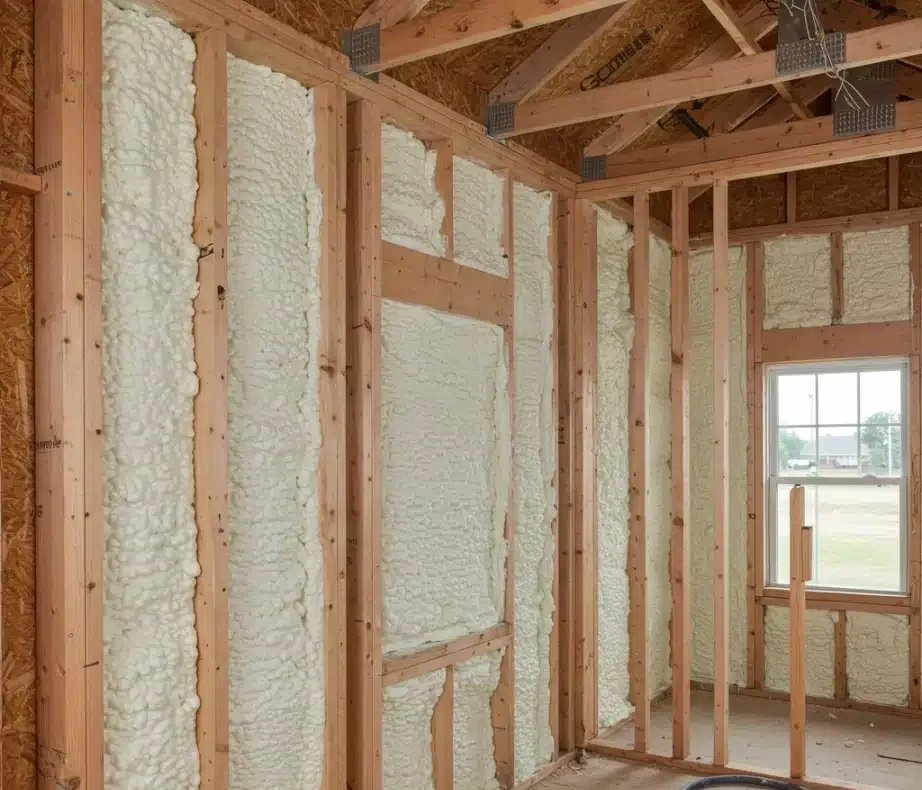
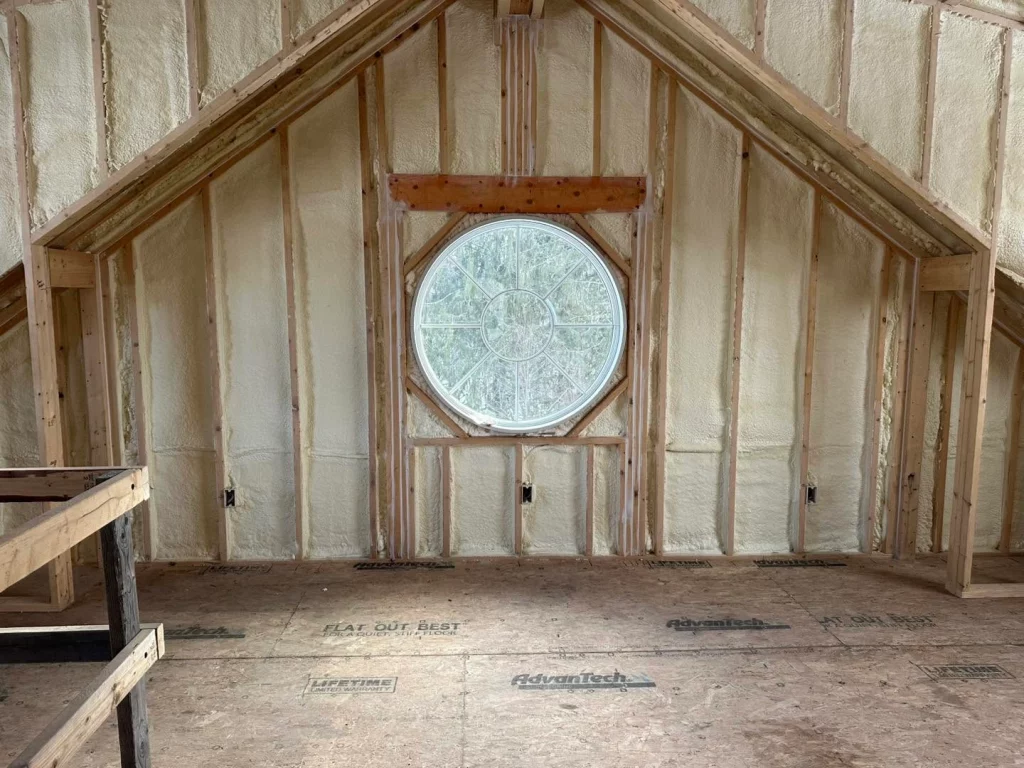
In hot climates, radiant barriers and reflective insulation are especially effective for attic spaces because downward heat flow is dominated by radiation. In cold climates, bulk insulation that blocks conductive and convective heat loss takes priority. Spray foam insulation performs well across both scenarios because it simultaneously provides a high R-value and acts as an air sealant, closing gaps and cracks that traditional batt insulation cannot reach.
Common Mistakes That Undermine Insulation Performance
Even when homeowners invest in insulation, several missteps can reduce or eliminate the benefit:
- Ignoring air sealing: Insulation without air sealing is like wearing a winter coat with the zipper open. Gaps around windows, doors, electrical boxes, and plumbing penetrations allow conditioned air to escape regardless of how thick the insulation is.
- Using the wrong R-value for the climate zone: Installing the same insulation level in a hot desert climate as in a cold northern climate means either overpaying for unnecessary thickness or underperforming where it matters most.
- Compressing insulation: Fiberglass batts compressed into cavities lose a significant portion of their effective R-value. Proper fit matters.
- Neglecting the attic: The attic is typically the single largest source of heat loss and gain in a home. ENERGY STAR identifies attic insulation and air sealing as the starting point for most home energy improvements.
- Skipping moisture management: In humid climates, improper vapor barrier placement can trap moisture inside walls, reducing insulation effectiveness and promoting mold growth.
ENERGY STAR notes that sealing air leaks and adding insulation can provide up to 10% savings on total annual energy bills. Seal and Insulate with ENERGY
Recommendations by Homeowner Situation
The best insulation approach depends on where you are starting from:
- New construction homeowners: Invest in continuous insulation across the entire building envelope. Spray foam in walls and attics, combined with proper air sealing during framing, creates an airtight thermal envelope from day one. This is the most cost-effective time to insulate because walls and cavities are open and accessible.
- Retrofit homeowners with older homes: Start with a professional energy audit to identify the weakest points. In most cases, attic insulation and air sealing deliver the best return. From there, address walls, crawlspaces, and basements as budget allows. Spray foam is especially effective in retrofit situations because it expands to fill irregular gaps and voids that batt insulation cannot reach.
- Homeowners preparing for electric heat pump transitions: As electric heating grows and natural gas use faces regulatory and market shifts, reducing your home’s thermal load is preparation, not optional. A well-insulated home requires a smaller, less expensive heat pump system and operates it more efficiently, lowering both installation and ongoing costs. Electricity use is becoming more common for residential heating
Signs You Have Found the Right Insulation Contractor
Choosing the right team to install insulation matters as much as choosing the right material. Look for these indicators:
- They conduct a thorough assessment of your home before recommending a solution, including checking existing insulation levels, identifying air leaks, and discussing your comfort priorities.
- They explain R-value targets for your specific climate zone rather than quoting a one-size-fits-all solution.
- They address air sealing as part of the insulation plan, not as an optional upsell.
- They discuss moisture management and ventilation alongside insulation, recognizing that these systems work together.
- They provide clear documentation of what will be installed, where, and to what standard, with realistic timelines and transparent communication throughout.
Ready to Protect Your Home From Rising Energy Demands
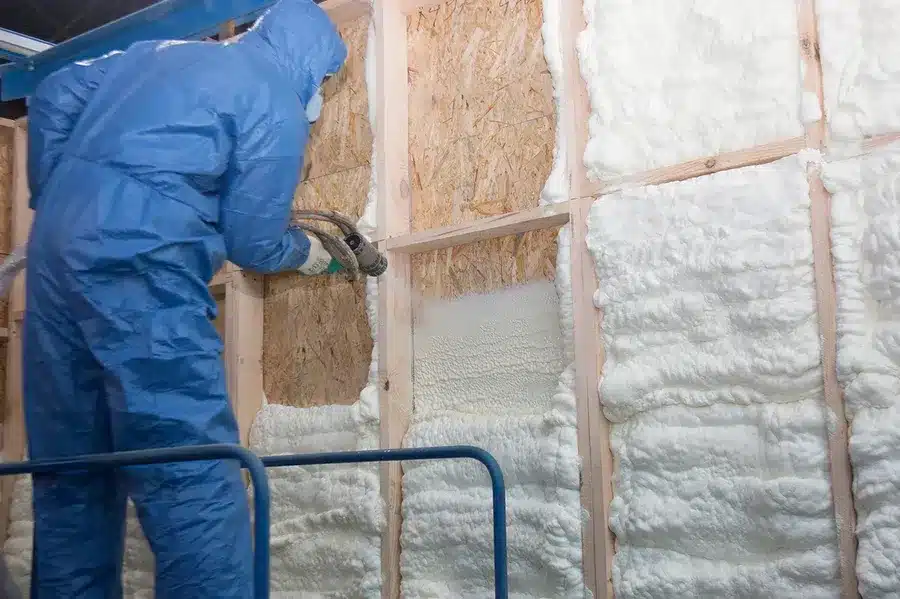
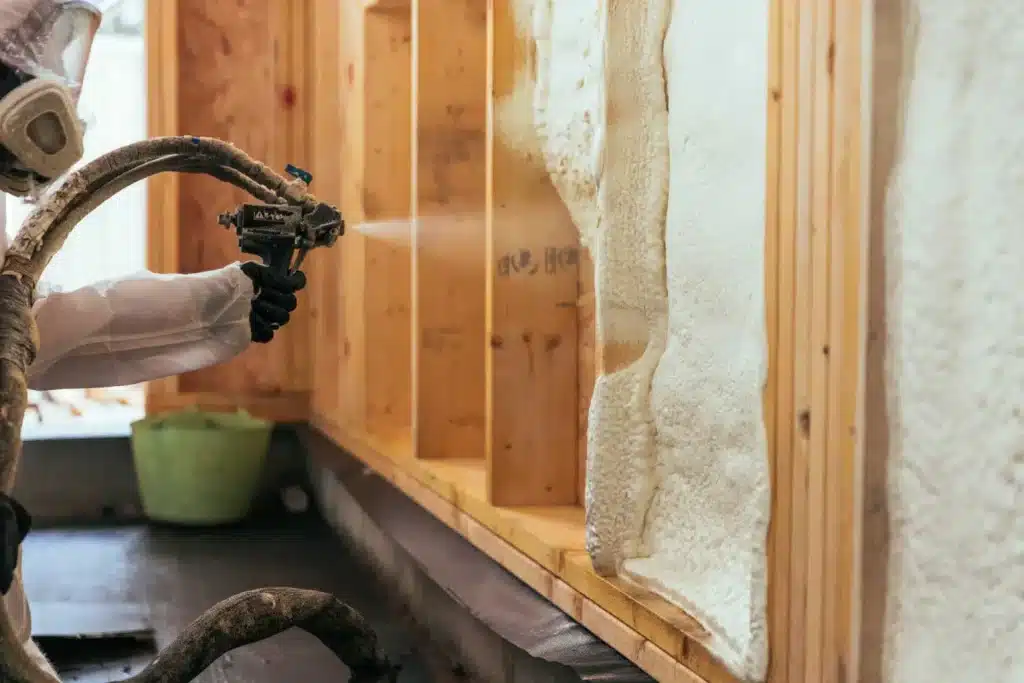
Supreme Spray Foam LV specializes in high-performance spray foam insulation that seals and insulates your home in a single step. Our team evaluates your home’s specific needs, recommends the right insulation strategy for Las Vegas climate demands, and installs with precision to maximize energy efficiency and long-term comfort. Whether you are building new or upgrading an older home, we help you reduce your energy footprint and prepare for whatever rising energy costs come next.
Contact us at (702) 904-9895 or email [email protected]
Don’t wait for the next rate hike to take action. A well-insulated home pays for itself season after season, and our team is ready to help you get started.
FAQs
What does R-value mean and why does it matter for my home?
R-value measures how well insulation resists heat flow. Higher R-values indicate better thermal resistance, and the right target depends on your climate zone and where the insulation is installed within your home.
How does spray foam insulation differ from traditional fiberglass batts?
Spray foam expands to fill gaps and voids as it is applied, creating both an insulating layer and an air seal in one step. Fiberglass batts only resist conductive heat transfer and can leave gaps that allow air leakage if not installed perfectly.
Can adding insulation really reduce my energy bills?
Yes. ENERGY STAR reports that sealing air leaks and adding insulation can save homeowners up to 10% on their total annual energy bills, with the greatest impact when upgrading from poor or no insulation.
Is insulation a good investment if I plan to sell my home?
Insulation upgrades improve energy efficiency ratings, reduce utility costs for future buyers, and are increasingly expected in home inspections. It adds measurable value, especially in markets with extreme climate conditions.
What part of my home should I insulate first?
Start with the attic. It is typically the largest source of both heat loss in winter and heat gain in summer. After the attic, prioritize exterior walls, crawlspaces, and basements based on your home’s specific condition and climate.
Sources
- Building Insulation – Wikipedia – Comprehensive reference on building insulation types, thermal performance, materials, and climate-specific strategies for residential and commercial buildings.
- Seal and Insulate with ENERGY STAR – ENERGY STAR program guidance on sealing air leaks and adding insulation, with methodology showing up to 10% savings on annual energy bills.
- Electricity Use Is Becoming More Common for Residential Heating – EIA Today in Energy – EIA analysis of shifting residential heating fuels, with 42% of U.S. homes reporting electricity as their primary heating fuel in 2024.
- U.S. Households in Warmer States Consume Less Site Energy Than Households in Colder States – EIA Today in Energy – EIA data from the 2020 RECS showing the correlation between average state temperature and household energy consumption, ranging from 30.3 MMBtu in Hawaii to 125.1 MMBtu in Alaska.
- Midwest Homes, Notably Older Homes, Consume More Natural Gas Than Most Other U.S. Homes – EIA Today in Energy – EIA data showing pre-1970 Midwest homes consume 74.8 MMBtu of natural gas for space heating, with 27% reporting poor or no insulation.