
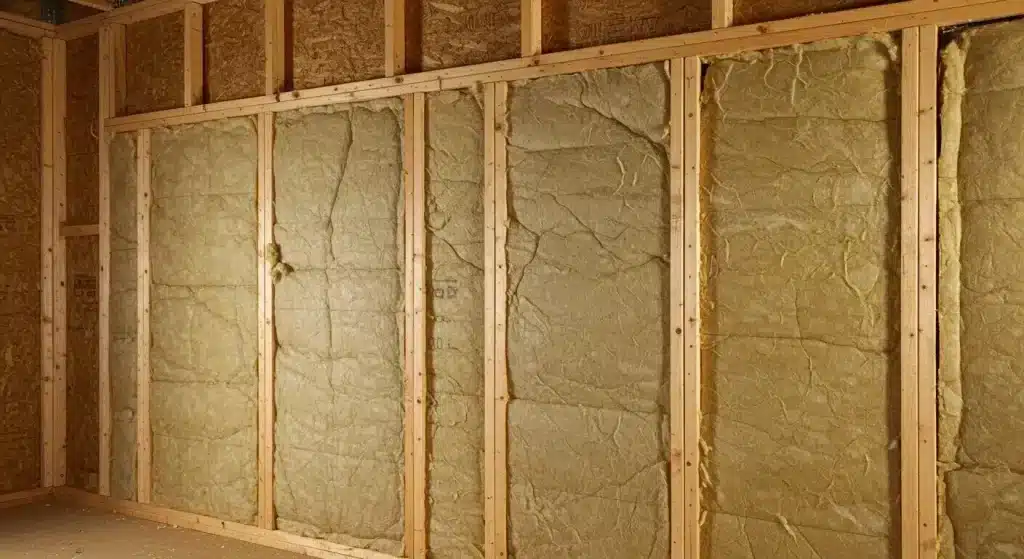
Wall insulation is one of the most effective investments homeowners can make to simultaneously eliminate drafts, reduce heating costs, and create a quieter, more comfortable living environment. Without proper wall insulation, homes lose up to 40% of energy through thermal bridging and air leakage, leaving homeowners to pay for conditioned air that escapes into the outdoors. Modern spray foam insulation addresses all three problems at once, creating an air-sealed thermal envelope that outperforms traditional insulation materials in cold, mixed, and hot climates alike.
Our team at Supreme Spray Foam LV has spent years helping homeowners across the Las Vegas Valley understand their insulation options and choose solutions that deliver measurable results. This guide breaks down the science behind wall insulation performance, compares your material options, and provides actionable steps you can take to transform your home comfort while lowering your monthly utility bills.
TL;DR
- Wall insulation reduces heating and cooling costs by 15 to 30% annually, with spray foam options delivering the highest long-term savings through superior air sealing
- Open-cell and closed-cell spray foam both outperform fiberglass and cellulose in noise reduction, with closed-cell providing additional structural reinforcement
- Proper installation is critical to performance; even premium insulation materials fail to deliver expected results when installed with gaps, compression, or inadequate air barriers
- R-value requirements vary by climate zone; Las Vegas falls in Climate Zone 2, requiring minimum R-13 to R-20 for walls, depending on construction type
- Spray foam insulation maintains performance over decades because it expands to fill cavities, unlike fiberglass, which settles and leaves gaps
- Moisture management is essential in all climates; closed-cell foam provides an inherent vapor barrier, while open-cell foam requires additional consideration
- Professional installation typically costs more upfront but can pay off over time through energy savings and reduced maintenance
Why Walls Lose Energy
Walls are responsible for a significant portion of thermal loss and gain in residential buildings. Unlike attics, which homeowners often recognize as a priority, wall cavities are hidden behind drywall and frequently overlooked until problems become undeniable. The mechanisms of wall energy loss include conduction through framing members, air leakage through gaps and penetrations, and thermal bridging where materials like wood studs transfer heat directly from interior to exterior surfaces.
Conduction loss occurs when heat flows through solid materials. In a typical wood-framed wall, the studs and plates create thermal bridges that bypass the insulation entirely. These framing members can account for 10 to 25% of the wall’s total surface area, meaning even perfectly installed cavity insulation leaves a substantial pathway for heat transfer. Building Science Corporation, Wall Insulation Performance
Air leakage represents the most significant and controllable source of energy loss in walls. Gaps around electrical boxes, wires, plumbing penetrations, and the gap between the framing and exterior sheathing allow conditioned air to escape while unconditioned outdoor air enters. This air exchange forces HVAC systems to work harder, increases humidity fluctuations, and creates uncomfortable drafts near exterior walls.
The Air Sealing Advantage of Spray Foam
Spray foam insulation distinguishes itself from traditional materials through its ability to create both insulation and air barrier properties in a single application. When our technicians spray closed-cell or open-cell foam into wall cavities, the material expands to fill every gap, crack, and irregular surface within the cavity. This expansion creates a continuous air seal that prevents the convective loops that reduce fiberglass performance over time.
Traditional insulation materials like fiberglass batts and cellulose rely on separate air barrier systems to achieve comparable performance. These secondary components add material and labor costs while creating additional potential failure points. Spray foam eliminates this complexity by combining thermal resistance and air sealing in one product.
Performance Metrics Breakdown
Different insulation materials offer varying combinations of R-value, air sealing capability, moisture resistance, and sound absorption. U.S. Department of Energy, Insulation Materials
Why R-Value Alone Does Not Tell the Full Story
Air leakage can account for 25 to 40% of total thermal transfer in walls insulated with air-permeable materials, effectively reducing the practical performance of fiberglass and cellulose below their rated values. Home Energy Magazine, Air Leakage and Insulation Interaction
Spray foam insulation delivers what building scientists call “real-world R-value,” which accounts for both conductive and convective heat transfer. While the listed R-value of closed-cell foam may appear only marginally higher than fiberglass per inch, the complete air seal it provides significantly improves actual thermal performance in field conditions. This distinction explains why many homeowners report more dramatic temperature improvements after spray foam installation than simple R-value comparisons would suggest.
How Insulation Controls Sound Transmission
Sound travels through walls via two primary mechanisms: airborne sound (voices, music, traffic noise) and impact sound (footsteps, door slams, machinery vibration). Wall insulation reduces airborne sound transmission by absorbing vibrational energy within the cavity, converting sound waves into small amounts of heat. Denser materials generally perform better at sound absorption, which is why closed-cell spray foam and dense-pack cellulose outperform lighter fiberglass at reducing noise penetration.
The Sound Transmission Class rating indicates how well a wall assembly reduces sound transmission. A standard wood-framed wall with fiberglass insulation typically achieves STC ratings between 33 and 39, meaning loud speech may still be audible through the wall. Upgrading to open-cell spray foam raises this rating to approximately 39 to 45, while closed-cell foam can achieve STC ratings of 50 to 55, making loud sounds inaudible in adjacent rooms.
Enhancing Noise Control Beyond Basic Insulation
For homeowners prioritizing sound reduction, insulation upgrades alone may not provide sufficient noise control. Additional strategies include adding resilient channels to separate drywall from framing, using acoustic sealants around penetrations and perimeters, and installing mass-loaded vinyl behind finished walls. When addressing noise issues in existing homes, our technicians assess the full wall assembly and recommend complementary solutions that work alongside insulation upgrades.
New construction and major renovations offer opportunities to incorporate noise control measures more cost-effectively. We recommend discussing sound isolation requirements with our team during project planning so we can specify optimal insulation density and recommend complementary construction techniques.
Thermal Performance in Las Vegas Climates
Las Vegas presents unique insulation challenges due to extreme temperature variations between summer highs exceeding 110 degrees Fahrenheit and winter lows that occasionally drop below freezing. This wide temperature swing demands wall assemblies that perform consistently across opposite thermal gradients while managing the humidity levels that accompany the monsoon season.
Closed-cell spray foam performs exceptionally well in these conditions because it provides a continuous thermal barrier without thermal bridging. The rigid structure of closed-cell foam also adds structural strength to wall assemblies, which proves valuable in areas subject to high wind loads during seasonal storm events. The inherent vapor barrier properties of closed-cell foam prevent moisture from humid outdoor air from penetrating wall cavities during the summer months when interior air conditioning creates a temperature differential across wall assemblies.
Open-cell spray foam offers a cost-effective alternative that still provides superior air sealing compared to traditional insulation materials. The permeable nature of open-cell foam allows any incidental moisture that does enter the wall cavity to dry toward either direction, making it suitable for mixed-humidity climates when paired with properly designed wall assemblies and exterior moisture barriers.
Identifying and Sealing Air Leakage Points
Before installing new insulation, our teams conduct thorough air leakage assessments to identify the primary pathways for unwanted air exchange. Common leakage points in wall assemblies include:
Electrical boxes and switches installed on exterior walls create direct pathways to outdoor air, particularly when boxes are back-to-back on opposite sides of the same wall. Recessed lighting fixtures, plumbing penetrations, and the gap between window frames and wall framing represent additional common leakage sites that require sealing before or during insulation installation.
Case Study 1: Southwest Las Vegas Townhome
A homeowner in a 1980s-built townhome complained of cold exterior walls during the winter months and excessive road noise from a nearby arterial street. Inspection revealed fiberglass batts in 2×4 walls with no exterior sheathing air barrier. Our team installed open-cell spray foam in all exterior walls, achieving R-14 in the 3.5-inch cavities. The homeowner reported immediate elimination of cold wall sensations and significant noise reduction from traffic, with heating bills decreasing by approximately 18% during the following winter season.
Case Study 2: Henderson New Construction
A custom home builder in Henderson specified closed-cell spray foam in all exterior walls for a high-performance target home certification project. The 4-inch closed-cell foam installation achieved R-26 wall performance while eliminating the need for separate house wrap. Final testing confirmed air infiltration rates 60% below code minimums, contributing to the home’s net-zero energy performance certification.
Case Study 3: Summerlin Home Office Conversion
A homeowner converting a garage into a home office struggled with temperature control and outside noise interference. The existing walls contained no insulation. We dense-packed the existing cavity with open-cell spray foam and sealed all penetrations. The space now maintains comfortable temperatures independent of the main HVAC system, with sufficient sound isolation for video conference calls despite the home’s proximity to a school zone.
Step 1: Conduct a Professional Energy Assessment
Before investing in wall insulation, understand where your home’s energy dollars are actually going. A professional energy assessment includes blower door testing to quantify air leakage rates and thermographic imaging to identify insulation deficiencies and thermal bridges. This diagnostic information guides investment decisions and helps ensure the right solutions address your specific problems.
Step 2: Prioritize Air Sealing Alongside Insulation
Insulation and air sealing work together to create comfortable, energy-efficient homes. ENERGY STAR, Air Sealing and Insulation
Step 3: Select Materials Matched to Your Assembly
Not all insulation materials work equally well in every wall assembly. Consult with our team about your specific wall construction, climate exposure, moisture concerns, and performance priorities. The right material choice depends on factors including stud depth, existing insulation presence, vapor barrier requirements, and budget constraints.
Step 4: Verify Installation Quality
Quality installation separates effective insulation projects from disappointing ones. Ask potential contractors about their installation protocols, training requirements, and quality verification processes. Reputable contractors conduct post-installation inspections and can provide documentation of successful air seal completion. NAIMA, North American Insulation Manufacturers Association
Step 5: Plan for Long-Term Performance
Insulation is a long-term investment that should perform effectively for decades. While spray foam products carry higher upfront costs than traditional materials, their extended service life and maintained performance characteristics often result in lower lifetime costs. Consider the full lifecycle cost when evaluating options rather than focusing exclusively on initial material expenses.
Installation Quality
Even the highest-performance insulation materials deliver poor results when installed incorrectly. Gaps around the perimeter of batts, compression that reduces effective thickness, and inadequate coverage of irregular cavities all reduce realized thermal performance. Spray foam installations require careful attention to mixing ratios, application temperature, and cavity preparation to achieve proper expansion and adhesion.
Moisture Management
Moisture that enters wall cavities can condense within insulation, reducing thermal performance and potentially causing mold growth or structural damage.
Thermal Bridging
Wood framing members create thermal bridges that reduce the effective R-value of insulated wall cavities. While spray foam can be applied to the interior face of exterior sheathing to reduce bridging, complete elimination requires continuous exterior insulation layers. For projects targeting maximum energy performance, we recommend discussing thermal bridge reduction strategies during planning.
Building Code and Permit Requirements
Wall Insulation Building codes establish minimum insulation requirements that vary by climate zone and construction type. Las Vegas-area codes typically require R-13 to R-20 for exterior walls, depending on framing configuration. We handle all permit acquisition and ensure installations meet or exceed applicable code requirements.
Expert Wall Insulation Services in Las Vegas
Supreme Spray Foam LV specializes in comprehensive wall insulation solutions for homeowners throughout the Las Vegas Valley. Our experienced technicians combine thorough diagnostic assessments with expert installation practices to deliver measurable improvements in comfort, energy efficiency, and noise control. Whether you are dealing with drafty rooms, excessive street noise, or unsustainable heating and cooling costs, our team can evaluate your property and recommend solutions tailored to your specific situation.
Contact us today to schedule an assessment or request a detailed quote for your wall insulation project. Reach our office by email at info@supremesprayfoamlv.com or call (702) 904-9895 to speak with a team member who can answer your questions and help you plan your next steps. Take action now to transform your home into a more comfortable, efficient space that performs better for decades to come.
Sources
- U.S. Department of Energy: Insulation Materials: Federal resource detailing insulation material properties, R-values, and installation guidelines for residential applications.
- Building Science Corporation: Wall Insulation Performance: Research-based publications on wall assembly performance, moisture management, and thermal bridging in residential construction.
- NAIMA: North American Insulation Manufacturers Association: Industry organization providing technical resources on insulation performance testing, specifications, and installation best practices.
- Home Energy Magazine: Air Leakage and Insulation Interaction: Technical publication covering the relationship between air leakage, insulation effectiveness, and real-world energy performance in housing stock.